Comparing Thin Light Box LED Models: Brightness, Energy Efficiency, and Installation Requirements

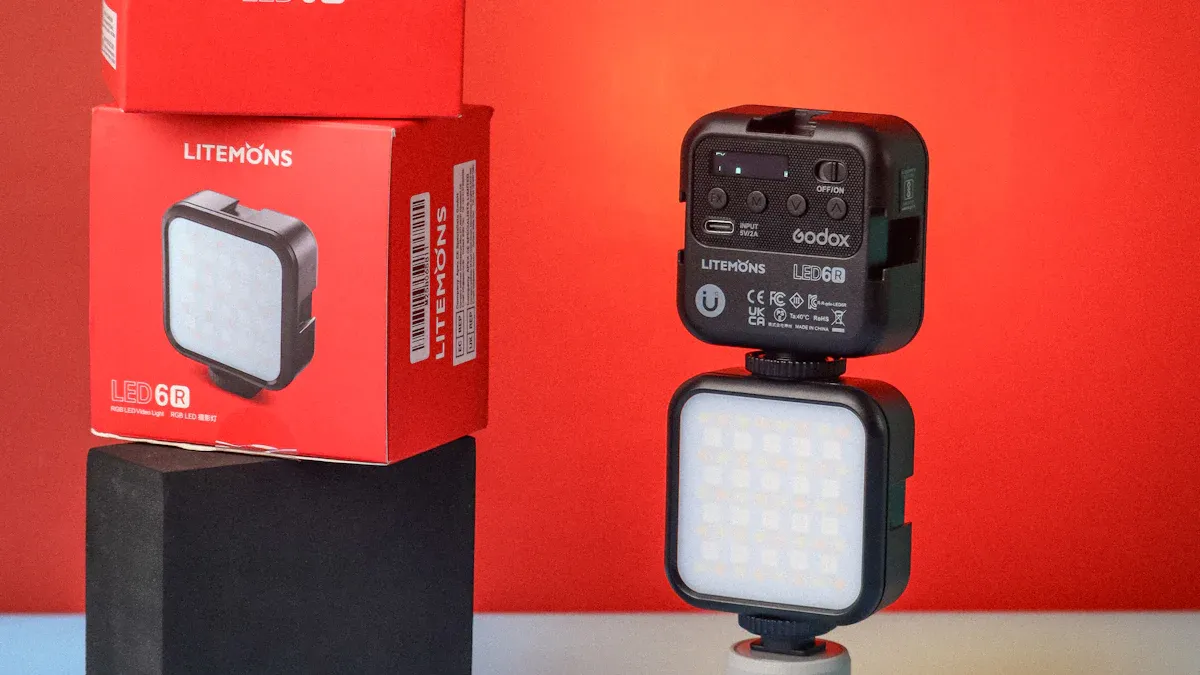
You will see that thin light box LED models are very bright and even. Slim LED light boxes give strong, steady light. They work better than fluorescent lightbox choices. You save energy with these, so you spend less money over time. They also help the environment by using less power. It is easy to install them. LEDs last a long time, so you do not need to fix or replace them often.
Key Takeaways
Slim LED light boxes give bright and even light. They help people see displays better in many places.
Using LED light boxes can cut energy costs by up to 90%. This means you save a lot of money over time.
It is easy to install slim LED light boxes. Many models come with simple kits for fast setup.
LED light boxes last a long time, up to 100,000 hours. You do not need to replace them often.
Picking the right brightness and color temperature is important. It helps your display look its best.
Brightness in Slim LED Light Boxes
Light Output and Uniformity
You want your display to get noticed. Slim led light boxes shine bright and spread light evenly. These models use smart technology to stop dark spots and bright edges. You see a smooth glow that makes pictures look clear and colors stand out. The diffusion panel inside spreads the light everywhere. Every part of your display looks bright and easy to see. This helps your display look great in stores and homes.
Tip: Pick a slim led light box with a high CRI. A CRI of 90 or more shows colors well and makes products look real.
The table below compares slim led light boxes and traditional light boxes:
Feature | Slim LED Light Boxes | Traditional Light Boxes |
|---|---|---|
Illumination Quality | Very bright and even | Not as even |
Light Distribution | Spreads light evenly | Light can be uneven |
Think about color temperature for your display. The right color temperature makes your space look its best.
Color Temperature | Description | Ideal Use |
|---|---|---|
Warm White (2700K–3000K) | Soft, yellowish light | Restaurants, spas, boutiques |
Neutral White (4000K–5000K) | Clean white light | Stores and offices |
Cool White (6000K–6500K) | Blueish, modern look | Electronics stores, hospitals |
Direct-Lit vs. Edge-Lit LED Technology
It is important to know about direct-lit and edge-lit led models. Direct-lit slim led light boxes have leds behind the display. This gives you brighter and more even light. Colors look true and the display stands out. Edge-lit slim led light boxes have leds around the edges. This covers less area, so corners may look dimmer.
Here is a quick comparison:
Type of LED Display | Brightness Characteristics |
|---|---|
Direct-lit | Even backlighting gives higher brightness. |
Edge-lit | Lights on the edge give less brightness overall. |
When picking a slim led light box, think about where you will put it and what you want to show. Brightness needs change with room lighting and your display’s purpose. For ads, you want strong light and big impact. For decoration, softer light may be better.
Factor | Description |
|---|---|
Ambient Lighting Conditions | Brightness needed depends on how much light is in the room. Brighter rooms need more brightness. |
Intended Use | What you use it for changes how bright it should be. Ads need more light than decorations. |
You can measure slim led light box brightness with lumens and lux. Higher numbers mean your display is brighter and gets more attention.
Lumens tell you how much light the leds make.
Lux shows how strong the light is in one spot.
Slim led light boxes help you make displays that look bright, even, and strong.
Energy Efficiency of Thin Light Box LED Models
Power Consumption and Cost Savings
You want to pay less for energy and help the planet. Thin LED lightboxes are very good at saving energy. They use much less power than old fluorescent models. This means you pay less each month for electricity. Look at the table below to see how much power each type uses:
Lighting Type | Average Power Consumption (Watts) |
|---|---|
LED | 8 |
Fluorescent | 14 |
LED lightboxes use at least 75% less energy than fluorescent lights. If you switch to LED, you could save over $2,000 a year on electricity in a 10,000 sq ft building. LEDs also make less heat, so your air conditioning works less. Some places give you rebates or tax breaks for using energy-saving lights.
Here are some good things about LED lightboxes:
You can save up to 90% on energy.
Using less energy means you spend less money.
You save more money as time goes on.
You also do not have to fix them as much. LED lightboxes last much longer than fluorescent ones. You do not need to change bulbs often. The table below shows how long each type lasts:
Light Box Type | Lifespan (Hours) |
|---|---|
LED Light Boxes | 50,000 to 100,000 hours |
Fluorescent Light Boxes | 10,000 to 15,000 hours |
LED lightboxes help you save money for a long time. You also do not have to worry about fixing them a lot.
Environmental Impact of LED Lightboxes
LED lightboxes are good for the earth. They use less energy and last longer, so they make less pollution. When you pick LED, you help lower carbon emissions. You also throw away fewer lights because they last longer. Many LED lightboxes can be recycled, so you help the planet even more.
Here is how LED lightboxes help the environment:
They make less greenhouse gas.
They last longer, so there is less trash.
They are easier to recycle.
They help make a better world.
Choosing LED lightboxes is smart for your money and the planet. You get good energy savings, spend less over time, and help keep the earth clean.
Installation Requirements for LED Lightboxes
Mounting and Space Considerations
Slim led lightboxes are small and thin. You can put them on walls or ceilings. They also work as displays that stand alone. These led models fit in places with little room. Old lightboxes need more space and do not fit everywhere. Slim led lightboxes look modern and stylish.
Here is a table to compare slim led lightboxes and old fluorescent lightboxes:
Feature | Slim LED Lightboxes | Traditional Fluorescent Lightboxes |
|---|---|---|
Profile | Compact and sleek | Bulky |
Space Utilization | Maximizes space | Takes up more space |
Aesthetic Appeal | Modern aesthetics | Less modern appeal |
Placement Options | Versatile placement options | Limited placement options |
Slim led lightboxes give you more ways to set them up. You can hang them flat on a wall or from the ceiling. Some use rigid led strips to make the frame strong. This helps you save space and lets you design your display how you want.
Tip: Measure your space before you put up a led lightbox. This helps you choose the best size and shape.
Ease of Setup and Maintenance
Slim led lightboxes are simple to set up. Most come with easy mounting kits. You can follow the steps and finish fast. Rigid led strips inside help keep the lightbox strong. They also spread light evenly.
Slim led lightboxes do not need much care. Here are some things to remember:
Check and clean your led lightbox often to keep it bright.
You can check every week, clean every month, and do a full check once a year.
Led lightboxes last longer and break less than fluorescent ones.
You save time and money because you do not change bulbs much.
Slim led lightboxes help you spend less and work less. You get a bright display that is easy to set up and take care of.
Comparing Thin Light Box LED Models
Feature Overview Table
You want to choose the best thin light box led models for your display. You need to look at important features like brightness, energy efficiency, and installation options. The table below helps you compare these features side by side. You can see how each model stands out for different needs.
Feature | Details |
|---|---|
Brightness (Lumens) | 330 at SW 4.0 w/f. Some models reach up to 5000 Lux for strong display. |
Energy Efficiency | Uses 1.5 to 6.0 watts per foot. Saves energy for long-term cost comparison. |
Stainless steel clips, magnets, and low-profile magnet mounts. | |
Environment | Rated for indoor and outdoor use. |
Warranty | 5 years. Gives you peace of mind. |
Certifications | UL Listed, RoHS, and other safety marks. |
Size | Many sizes available (A4, A3, A2, A1, and more). |
Frame Dimensions | Out frame size and poster size in millimeters. |
Voltage/Power | Ranges from 12V-6W to 24V-36W. |
You can use this table to match thin light box led models to your display needs. If you want a bright display for a retail store, pick a model with high lumens and strong energy efficiency. For outdoor displays, choose models with weather ratings and strong frames. If you want to save money, look at the cost comparison for power use and lifespan.
Note: Always check the certifications before you buy. UL Listed and RoHS marks show the led lightboxes meet safety standards.
Pros and Cons Summary
You need to know the strengths and weaknesses of thin light box led models before you decide. Each installation method has its own pros and cons. You can see them in the table below.
Installation Method | Pros | Cons |
|---|---|---|
Professional | Ensures safety and warranty support. | Higher cost and limited customization. |
DIY | Cost-effective and allows customization. | Needs basic electrical skills and carries risks. |
You can pick professional installation if you want safety and support. This works well for big retail displays or outdoor led lightboxes. You pay more, but you get a warranty and expert help. If you want to save money and customize your display, try DIY installation. You need some electrical skills, but you can set up led lightboxes your way.
Here are some points to help you choose the right thin light box led models for your display:
Retail stores need high brightness and strong led lightboxes. Pick models with high lumens and strong frames.
Residential displays work well with smaller led lightboxes. You can use DIY installation for easy setup.
Specialty displays, like outdoor signs, need weather-rated led lightboxes. Look for models with certifications and long warranties.
Tip: Measure your display space and check the mounting options before you buy. You want your thin light box led models to fit perfectly and look great.
You can see that thin light box led models give you many choices for brightness, energy efficiency, and installation. You can match the right led lightboxes to your display needs and budget. Use the cost comparison to find the best value for your project.
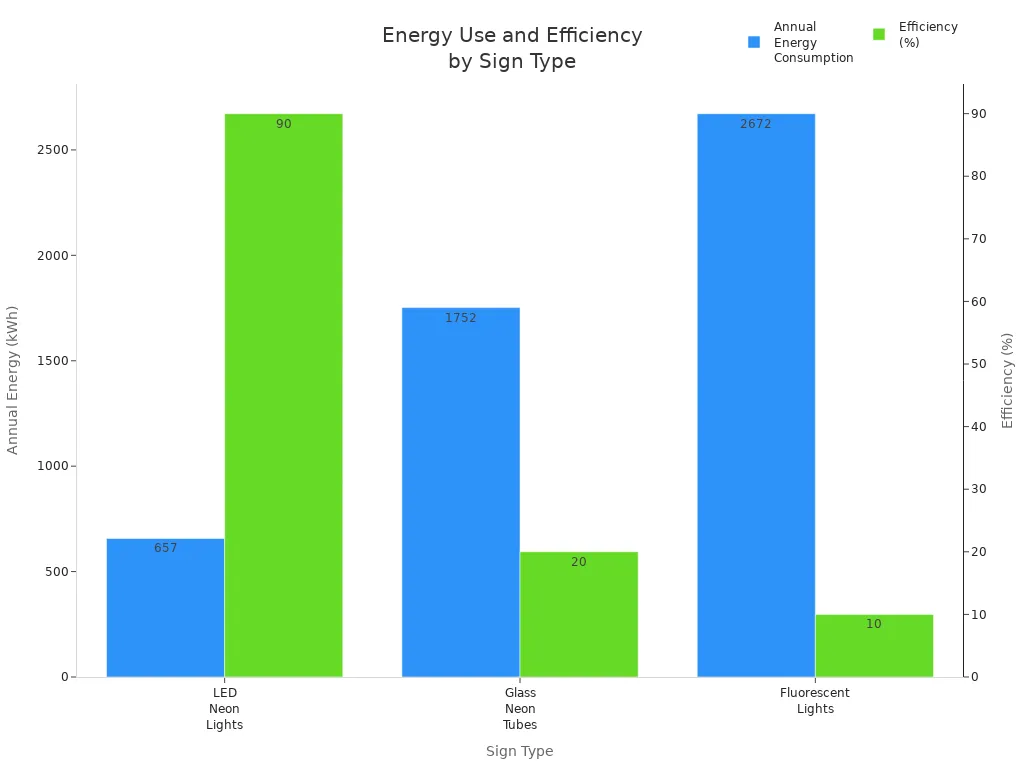
You can find thin light box LED models that stand out for brightness and energy savings. Models like Huion A3 and Wafer 3 offer brightness control and easy portability for tracing and art. For commercial use, LED neon lights use less energy and last longer than fluorescent options.
When you choose a light box, check the size, weight, and wattage to match your needs. Think about where you will install it and how you want your display to look.
Your needs and application decide the best model.
Installation site and graphic size matter.
For ultra-thin displays, pick an LED Edgelit light box.
Specification | Details |
|---|---|
Size | Match outside dimensions and graphic size. |
Weight | Most LED light boxes are lightweight. |
Wattage | Use the formula: 4.8 x total length of LED strip in feet. |
You get better performance and save money with slim LED light boxes. Always review product specifications before you buy.
FAQ
How do you choose the right brightness for your LED light box?
You should check the lumens rating. Higher lumens mean brighter light. For retail displays, pick models with at least 3000 lumens. For home use, 1000 to 2000 lumens work well.
Can you install a thin LED light box by yourself?
Yes, you can install most thin LED light boxes. Many models include easy mounting kits. You only need basic tools. Always follow the instructions for safety.
What maintenance does your LED light box need?
You should clean the surface with a soft cloth every month. Check the power connections once a year. LED light boxes rarely need bulb changes.
Are thin LED light boxes safe for outdoor use?
Some models work outdoors. Look for weatherproof ratings like IP65. These ratings show the light box can handle rain and dust.
How much energy do you save with LED light boxes?
LED light boxes use up to 75% less energy than fluorescent models. You save money on your electric bill every month.
See Also
Exploring LED, RGB, And Battery Options For Acrylic Displays
Understanding Types And Uses Of Acrylic LED Light Boxes
Key Specifications And Performance Factors For Acrylic Light Panels
Essential Guide To LED Sign Boxes: Specs And Installation Tips
