LED Light Packaging Boxes: Materials, Design, and Sustainability


Picking the best materials and design for led light packaging is important. It helps your product and your brand. You need packaging that keeps led lights safe. It also helps your brand get noticed. Smart design means less damage and fewer returns. It shows customers your company cares about quality and details. Many companies care about sustainability now. This brings in buyers who care about the planet. It also helps protect the earth.
Good packaging keeps your product safe.
Smart design builds customer trust and brand identity.
A strong package shows professionalism.
Key Takeaways
Pick eco-friendly materials like cardboard and molded pulp. These help protect LED lights and the Earth. - Good packaging design keeps products safe and builds trust. This means fewer returns from customers. - Think about the whole life of the packaging. Try to balance quality, cost, and the effect on the environment. - Fun packaging design gets buyers interested and makes unboxing better. This can make people want to buy again. - Learn about recycling choices and local rules. This helps make sure your packaging is good for the planet and follows the rules.
Materials for LED Light Packaging
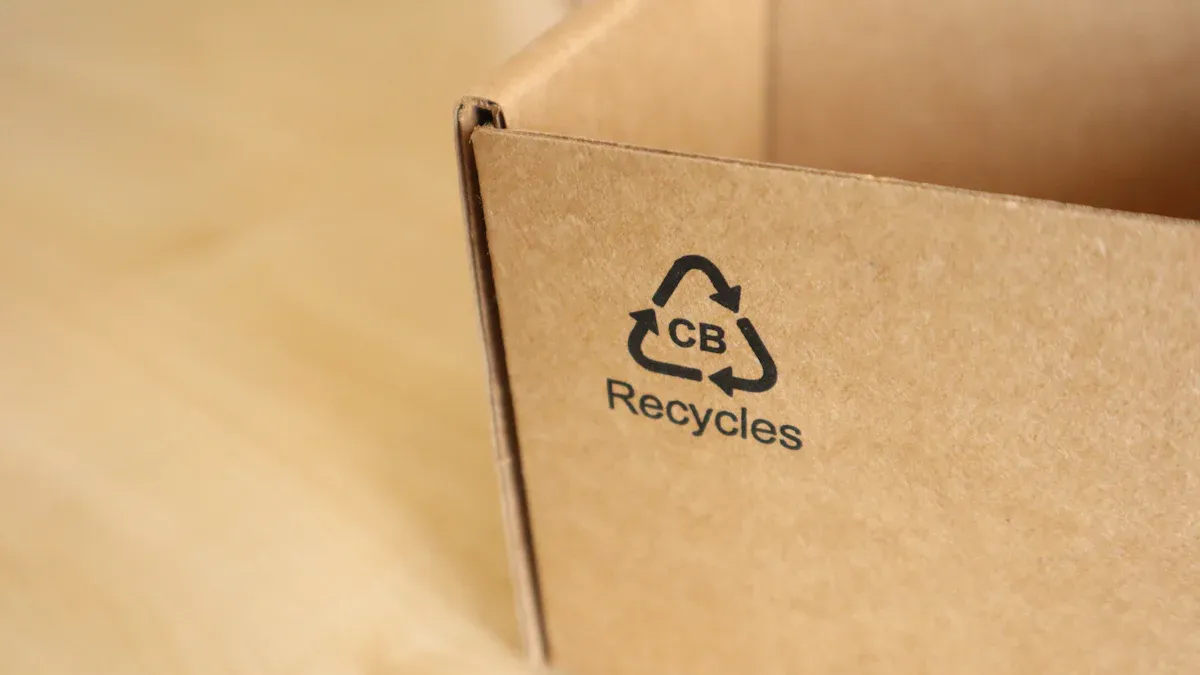
Picking the right materials for LED light packaging helps keep your products safe. It also shows what your brand cares about. Many companies are using less plastic now. They choose eco-friendly materials instead. For example, LPA Group uses cardboard and paper instead of single-use plastics. This helps the environment and protects your products.
Cardboard and Paper Solutions
There are different kinds of cardboard and paper for LED packaging. Each kind has its own benefits for safety and branding. The table below lists some common types:
Material | Description | Best For |
|---|---|---|
Kraft Paperboard | Eco-friendly, recyclable, and biodegradable. Natural look. | Sustainable brands, eco-conscious buyers |
Corrugated Cardboard | Strong and shock-resistant. Great for shipping heavy or fragile bulbs. | Bulk packaging, export, fragile bulbs |
SBS (Solid Bleached Sulfate) | Smooth, bright white surface. Good for colorful printing. | Premium retail packaging, branding |
Extra padding can stop bulbs from breaking. Companies use molded pulp inserts or cardboard dividers to keep bulbs safe. LPA Group uses E flute corrugated cardboard. It is reusable, recyclable, and FSC-certified. This packaging protects LED lights like bubble wrap does.
Molded Pulp Alternatives
Molded pulp is another good choice for LED packaging. It is made from recycled paper and shaped to fit products. Molded pulp costs less than plastic packaging. It costs about $50 to $150 per ton. Plastic can cost $800 to $1200 per ton. Molded pulp is light, so shipping and recycling are cheaper.
The table below compares molded pulp and expanded polystyrene (EPS):
Feature | Molded Pulp | Expanded Polystyrene (EPS) |
|---|---|---|
Environmental Footprint | Needs more water and energy; coatings can hinder recycling | Uses less water and energy; lightweight for shipping |
Recyclability and Reusability | Can be recycled, but coatings may cause problems; breaks down faster | Easy to recycle; lasts longer for reuse |
Molded pulp breaks down in nature and is good for the planet. It also gives good padding and fits the shape of LED lights. This keeps them safe when shipped.
Plastic-Free and Biodegradable Options
You can pick from many plastic-free and biodegradable packaging choices. These help you protect the planet and your products. The table below shows some common options:
Material Type | Description |
|---|---|
Recycled Kraft Paper | 100% recyclable and biodegradable. |
Corn-based Polymers | Eco-friendly and breaks down naturally. |
Biodegradable packaging gives great padding. It fits LED lights and keeps them safe during shipping and storage. You do not need extra parts or work, so you save time and money. This packaging is easy to use and flexible.
Material Selection Factors
When you choose packaging, think about more than just price. The table below lists important things to consider:
Factor | Description |
|---|---|
Environmental Resistance | Withstands UV, moisture, and chemicals for longer life. |
Light Transmission | High clarity helps maximize light output. |
Thermal Conductivity | Materials like aluminum or copper manage heat well. |
Material Costs | Some high-performance materials may cost more. |
Mechanical Durability | Strong materials protect against bumps and drops. |
You also need to follow safety rules. Laws like the Toxic Substances Control Act and California Proposition 65 make sure packaging is safe. You must also stop risks like electric shock and overheating.
Tip: Always pick materials that fit your product’s needs and your brand’s values. This helps you balance safety, cost, and caring for the planet.
LED Packaging Design Essentials
Protection and Durability
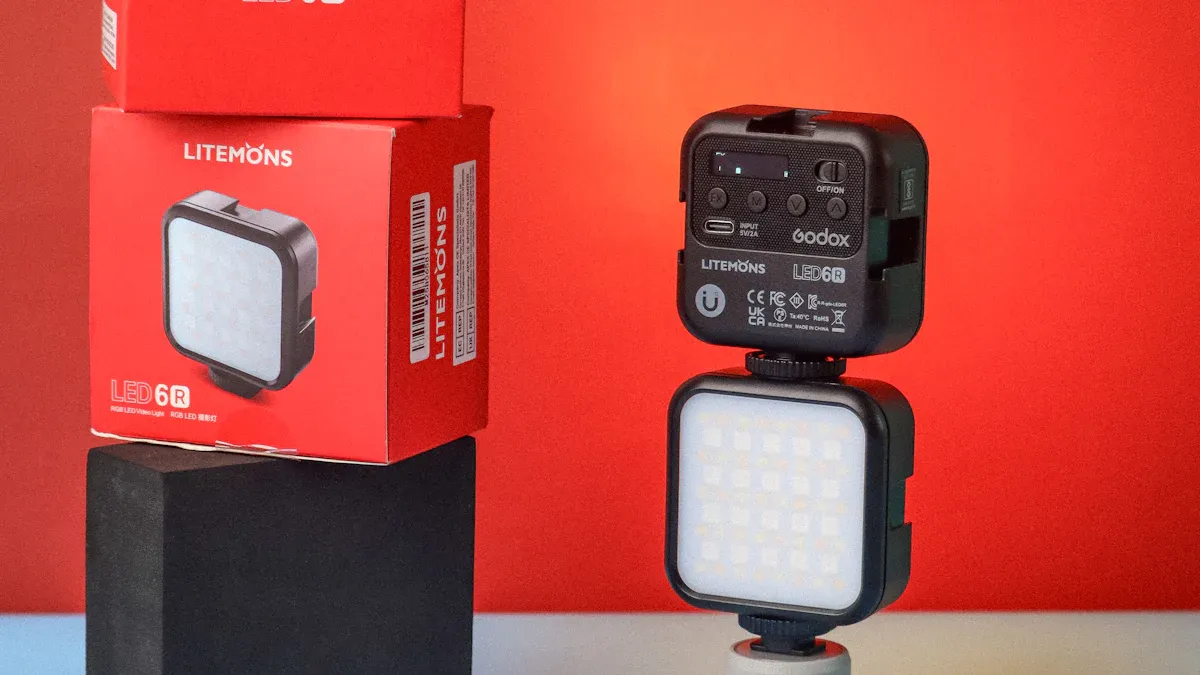
LED light packaging needs to keep products safe. It must protect them during shipping and storage. Good packaging uses strong materials and smart features. Many boxes are small and round to fit well. Some boxes use copolyester enclosures that seal tightly. These keep out water and chemicals. Some designs can handle bumps and shaking. You can add strong cables and easy connectors. These make setup simple. Steel backplates can make boxes even stronger. Sealing ratings like IP67 or NEMA 4X help in wet places. Flexible mounting lets you use the packaging in many spots.
Small boxes protect bulbs that break easily.
Sealed boxes keep out water and chemicals.
Strong designs stop products from breaking.
Easy connectors help you set up fast.
Branding and Visual Impact
Packaging design helps your product get noticed. Retail buyers want boxes that look good and send clear messages. You need bright colors and bold pictures. Digital printing lets you use sharp images and colors. Your packaging should be easy to open and fill again. Special packaging makes your product easy to spot.
Retail buyers check if your packaging stands out. They compare it to other brands. Good shelf impact uses color and clear messages. Packaging must grab attention from three feet away. It should also show the main benefits fast.
User Experience
You want customers to enjoy opening the box. Unboxing is the first thing people see from your brand. Fancy brands use nice materials and smart design. Digital printing adds cool details and clear names. Unboxing can make people talk about your product. It can also make them buy again.
Packaging should look good online too.
Unboxing makes people feel happy.
Nice materials make the experience better.
Illuminated Packaging Trends
New LED packaging uses light and smart features. Smaller boxes and high-power designs are popular now. Better heat control helps with strong lights. Smart lighting systems let packaging connect to digital controls.
Trend | Description |
|---|---|
Miniaturization and High-Density Packaging | Small, powerful lights push companies to make better boxes. |
Improved Thermal Management Technologies | Good heat control is important for strong LED lights. |
Integration with Smart Lighting Systems | More boxes work with smart controls and IoT lighting. |
Light-up packaging can make more people notice your product. It can boost customer interest by up to 50%. Glowing boxes make products seem special. Many people share these boxes online. This helps your brand become more popular.
Sustainability as Design Driver
Sustainability is important when you design led light packaging. You want to help the planet and keep products safe. Many brands now pick materials and ways that are better for the earth. This is why more companies use plastic-free and recyclable packaging. They use things that come from nature and break down easily. This shows they care about the future.
Eco-Friendly Materials in LED Packaging
You have lots of choices for eco-friendly materials. These choices help you make less waste and be greener. Here are some common options:
Kraft: This comes from wood pulp. It is strong, light, and keeps out water.
Cardboard: Made from wood fibers, it is easy to recycle and not heavy.
Mushroom packaging: Made from farm waste and mycelium, it is tough and does not break easily.
Bamboo: This plant grows fast and makes strong, green packaging.
Cornstarch-based foam: This looks like regular foam but breaks down on its own.
Seaweed: It grows fast, does not need fresh water, and is very green.
You can also use post consumer recycled paper in your packaging. This means you do not need as many new materials. It also helps with recycling. Using these materials shows buyers you care about the earth and saving energy. Your packaging can attract people who want to waste less and live green.
Tip: Picking things like bamboo, mushroom packaging, and post consumer recycled paper can make your brand look like a leader in being green.
Sustainable Manufacturing Practices
You can help the planet by using green ways to make packaging. These ways lower the carbon footprint of led light packaging. Many companies now use things that can be recycled and try to make less waste. This helps led lighting and packaging be better for the earth.
Making leds gives off over 466,300 tons of CO2 for every quadrillion lumen-hours. This is more than twice as much as old lights.
Many companies now use green ways to make things. They pick materials that can be recycled and try to make less waste.
These steps lower the carbon footprint and make your packaging work better.
When you use post consumer recycled paper and other green things, you save energy and resources. You also show buyers that being green is important to your business.
End-of-Life and Recycling Solutions
You need to think about what happens to packaging after people use it. End-of-life and recycling are big parts of being green. The US Flexible Film Initiative tries to make recycling better for flexible plastic packaging, like led light packaging. This group gives money to recycling centers and helps them find better ways to recycle.
Recycling programs keep packaging out of landfills. They also help us use old materials again. The table below shows how recycling helps the earth and saves money:
Evidence Type | Description |
|---|---|
Reducing Hazardous Waste | Recycling led bulbs makes sure bad stuff like arsenic and lead are thrown away safely. |
Mitigate the Carbon Footprint | Recycling uses less energy than making new bulbs, so it lowers greenhouse gases. |
Economic Advantages | Getting materials from old bulbs means we do not need to mine as much, so products cost less. |
Over 95% of led materials can be recycled, and 70% of parts can be used again. |
You can help recycling by picking materials that are easy to recycle, like cardboard and post consumer recycled paper. When you design packaging to be recycled, you help keep trash out of landfills and support using things again. This makes your packaging smarter and better for the planet.
Note: Always check your local recycling rules to make sure your packaging can be recycled where you live.
Balancing Quality, Cost, and Sustainability
Cost vs. Environmental Impact
When you pick led light packaging, you have many choices. You want your packaging to be strong. You also want to help the planet. Sometimes, you need to think about cost, quality, and the environment. The table below shows some things you might need to trade:
Aspect | What You Should Know |
|---|---|
Durability vs. Replacement | Using packaging that lasts longer can help the earth over time. |
Life Cycle Assessment (LCA) | Making stronger packaging can use more resources, so it is not always best. |
Use Phase Impacts | If better packaging comes out, it might be good to switch instead of keeping old ones. |
You should think about the whole life of your packaging. Think about how long it lasts. Think about how much energy it uses. Think about how easy it is to recycle.
Best Practices for LED Packaging
You can make smart choices to balance quality, cost, and being green. Here are some good ideas:
Pick packaging that keeps led products safe and is easy to recycle.
Use designs that protect your products during shipping.
Choose packaging that uses less material but still looks nice.
Test your packaging to see if it works in real life.
Work with suppliers who care about the planet.
Tip: Always check if your packaging is safe and helps your brand look good.
Industry Examples
Many companies use smart design to save money and help the planet. Here are some real examples:
LPA Group stopped using single-use plastic and now uses paper packaging. This new packaging keeps products safe and keeps quality high.
The new packaging can be used again, recycled, and is FSC-certified. This matches their goal to help the earth.
David Gould, Operations Manager at LPA, says it is important to help the planet and keep products safe when shipping.
You can use these ideas to make your own led packaging better for your business and the planet.
You can make smart choices when you pick led light packaging. Good design protects your products and helps your brand stand out. Recyclability matters for the planet and your business. Try packaging that uses less waste and supports easy unboxing. Think about how your choices help today and in the future.
Tip: Test new materials and ask your customers what they like. You can lead the way in green packaging.
FAQ
What materials work best for LED light packaging?
You can pick cardboard, molded pulp, or biodegradable materials. These choices keep your LED lights safe. They are also good for the earth. Many brands use these materials to show they care about nature.
How does packaging design protect LED lights?
Good design uses strong materials and smart shapes. This means your LED lights get less damage when shipped. Padding and tight seals help stop bumps and water from hurting your lights.
Why should you choose sustainable packaging?
Sustainable packaging helps cut down on waste and pollution. It shows customers you care about the planet. Many people like to buy from brands that use eco-friendly packaging.
Can you recycle LED light packaging?
Most cardboard and paper packaging can go in your recycling bin. Always check your local rules. Some packaging has special coatings, so you may need to take them off before recycling.
See Also
Creating Unique Acrylic Light Boxes: Design And Setup Guide
Illuminated Acrylic Display Boxes: Varieties, Benefits, And Uses
LED Acrylic Light Boxes: Varieties, Uses, And Installation Tips
Crafting Stunning Acrylic Light Box Displays For Impact
Acrylic Light Box Materials: Evaluating Choices For Strength And Appeal
