LED Light Boxes: Types, Applications, and Selection Tips

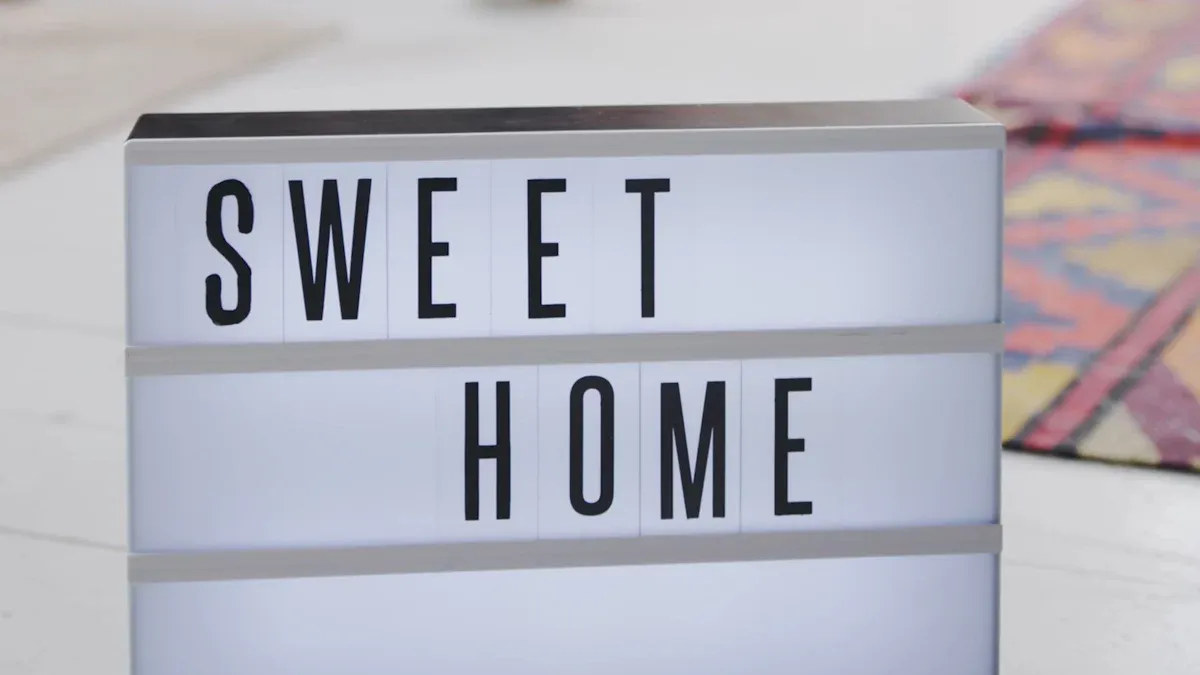
LED light boxes show pictures, menus, or signs in a bright way. There are many types. Each type has its own use. Wood frame LED light boxes look good in homes, offices, and restaurants. Backlit light boxes help people see signs in airports and hospitals. Edge-lit and snap frame light boxes are great for stores and menus. Fabric SEG light boxes make trade shows and exhibitions look special. Choosing the right style helps your display fit your space and needs.
Type of Light Box | Typical Applications |
|---|---|
Wood Frame LED Light Box | Stores, restaurants, homes, offices, dark basements |
Backlit Light Boxes | Ads, signs in hospitals, airports, shopping centers |
Edge Lit Light Boxes | Store and ad displays |
Fabric SEG Light Boxes | Trade shows, exhibitions |
Snap Frame Light Boxes | Menus, store ads |
Tip: Always think about where you will use your light box before picking one.
Key Takeaways
LED light boxes have different types. Each type works best for certain uses like stores, ads, and shows.
Picking the right light box helps people see displays better. It also makes displays look nicer. Think about your space and what you need before you choose.
LED light boxes use less energy and last a long time. They help you save money on power and fixing costs over the years.
Custom and special light boxes let you show off your brand in a unique way. They are great for events and ads.
Clean your LED light box often and install it the right way. This keeps it bright and working well for all your displays.
What Are LED Light Boxes?
Definition and Features
You can find led light boxes in lots of places. They use LED lights to make pictures and signs look bright. The main parts are a frame, a panel, and LED strips. There are different types like edge-lit and backlit. You can use them in stores, airports, restaurants, or at home. Led light boxes use much less energy than old lights. They last a long time, so you do not change them often. These boxes are better for the earth because they do not have mercury. Many parts can be recycled.
Here are some things that make led light boxes special:
They give bright, even light for signs and pictures.
They save energy and lower your power bills.
They last a long time, often over 40,000 hours.
They are thin and light.
You can move and set them up easily.
Note: You can choose from many types to fit your space and needs.
Feature | LED Lightboxes | Traditional Lightboxes |
|---|---|---|
Illumination | Bright, even light everywhere | Light is not even, can be patchy |
Uses up to 80% less energy | Uses more energy | |
Lifespan | Lasts over 40,000 hours | Lasts only 1,500–2,000 hours |
Maintenance | Needs little care | Needs repairs often |
Design | Thin, bendable, easy to move | Big and heavy |
Environmental Impact | No mercury, recyclable parts | Has mercury, hard to recycle |
Cost | Costs more at first, saves later | Cheaper at first, costs more |
Benefits for Displays
Led light boxes make your pictures and signs look clear and bright. The light spreads evenly, so there are no shadows. People can see your display from far away. You can change the pictures fast to keep things new. Led light boxes use less energy, so you save money and help the earth. You do not need to fix or replace them often because they last long.
Some good things about led light boxes are:
They light up all graphics really well.
You can change how bright they are.
You can customize them for different displays.
They cost less to use over time.
Led light boxes help your graphics stand out anywhere.
Types of LED Light Boxes
There are many types of light boxes you can pick. Each one works in its own way and is good for different things. People use them for art, photos, and business displays.
Backlit Light Boxes
A back-lit light box has led lights behind the picture. The light shines through the picture and makes colors bright. These boxes are thicker because they need room for the lights. This type is best when you want your picture to be very bright and clear.
Feature | Edge-Lit Light Boxes | Backlit Light Boxes |
|---|---|---|
Lighting Method | Indirect lighting from the edges | Direct lighting from the back panel |
Thickness | Typically very thin (less than 1 inch) | Requires 2-4 inches of depth for light diffusion |
Cost | Generally more cost-effective due to fewer LED strips | More expensive due to more LED bulbs required |
Brightness | Standard brightness, may not be ideal for high visibility | High brightness, ideal for large graphics |
Uniformity of Light | May have dimmer centers, less uniformity | Better uniformity, evenly distributed light intensity |
Design Flexibility | Sleek, flat design | Requires more cabinet space for installation |
You will see backlit light boxes where people want to get noticed. Some places you find them are:
Store windows and product displays.
Trade shows and exhibitions for brands.
Public places for ads and signs.
Offices for company messages.
If you want your picture to stand out in busy spots, this type is a smart pick.
Edge-Lit Light Boxes
An edge-lit light box has led lights on the sides of the frame. The light moves across a special panel and lights up the picture. This makes the box thin and easy to put on walls. These boxes use less power and are simple to set up.
Some good things about edge-lit light boxes are:
They save energy and lower your bills.
You can change the picture fast.
They do not get hot, so they are safe.
They use less power and cost less.
You can see edge-lit light boxes in lots of places. Here are some examples:
Store ads in cool shops and tea stores.
Lights in jewelry store cabinets.
Brand signs in mall open spaces.
Double-sided ads at bus stops and subways.
Outdoor ads on columns and billboards.
Art lights in museums.
Fancy lights in nice stores and hotels.
Round stands at trade fairs.
Signs to help people find their way in hospitals and malls.
Hidden lights for a fancy look.
If you want a thin and modern display, this type is a good choice.
Fabric Light Boxes
Fabric light boxes use a printed cloth stretched over a frame. Led lights shine from behind and make the colors look bright. These boxes are light and easy to move around. The frame can be made from aluminum or carbon fiber, which makes it strong and easy to carry.
Material | Effect on Display Quality |
|---|---|
Recyclable Polyester | Enhances color saturation and contrast |
Aluminum Frame | Provides a lightweight and durable structure |
Carbon Fiber Frame | Ensures even illumination and contributes to overall durability |
The fabric lets light pass through, so pictures look bright. The led lights behind the cloth give even light. You can switch out the pictures easily for new events.
Some good things about fabric light boxes are:
They are light and easy to take places.
They last a long time for travel and shows.
They look good with or without backlighting.
Some use materials that are good for the earth.
The backlighting makes the picture bright everywhere.
The pictures do not get wrinkled.
There is no glare, so it is easy to see.
They are easy to set up and use.
If you need big pictures for trade shows, fabric light boxes are a great pick.
Framed and Snap Frame Light Boxes
Framed and snap frame light boxes have a frame that opens and shuts. You can change the picture fast and do not need tools. The snap-open frame lets you update your display in less than a minute. These boxes are good for stores, restaurants, and places like train stations.
Feature | Description |
|---|---|
Snap-open design | Allows for easy access to graphics for quick changes without tools. |
Quick change capability | Graphics can be updated in under a minute. |
Ideal for commercial use | Perfect for retail, advertising, and promotional displays. |
Easy graphic replacement | Simply open the frame, replace the graphic, and snap shut. |
Enhanced visibility | Illuminated frames provide bright lighting for better display. |
Versatile applications | Suitable for various indoor environments like stores and transportation hubs. |
These boxes are strong and keep your pictures safe from harm. The front has a cover that stops glare and fading. Some snap frames have a lock for extra safety.
These UL-listed snap frames are safe and protect your pictures.
If you want to change pictures a lot and need a safe display, framed and snap frame light boxes are a good pick.
Custom and Specialty Light Boxes
Custom and specialty led light boxes let you make displays for special needs. You can order boxes with your logo, shapes, or colors. These boxes are good for branding, events, and building designs.
Example Description | Link |
|---|---|
You can use custom light boxes for:
Special parties and events.
Unique branding in offices or stores.
Cool features in buildings.
Custom displays for shows.
If you want your display to match your brand or space, custom and specialty led light boxes give you lots of choices.
Classification by Purpose
You can sort led light boxes by how you use them:
Edge-lit LED light boxes are good for inside and save energy.
Back-lit light boxes are bright for outside and big displays.
Freestanding light boxes are easy to move for events and lobbies.
Wall-mounted light boxes save space for signs that stay up.
Double-sided light boxes show pictures on both sides for more views.
You can pick the best type for art, photos, or business displays. Light pads also help artists and photographers see details in their work.
Tip: Always pick the light box that fits your needs and where you will use it.
LED Light Box Applications
Retail and Product Displays
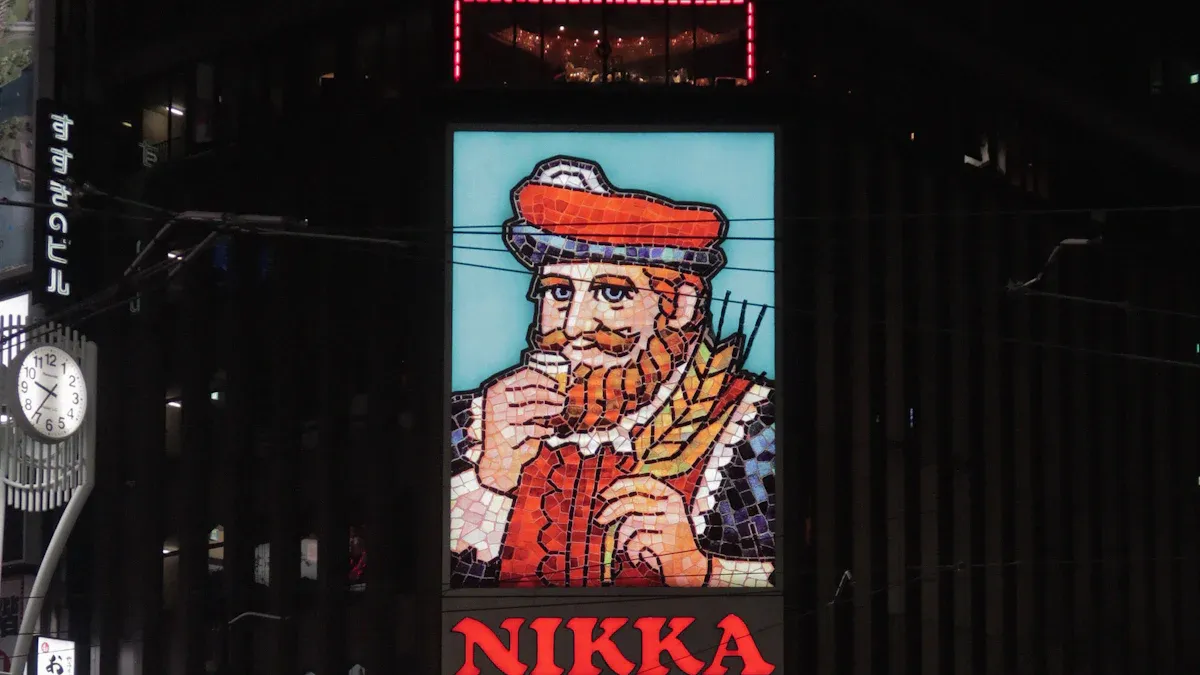
Light box displays are common in stores. They help products stand out and get noticed. You can use them to show new things or special deals. These displays help you sell more and make shopping fun. You can change messages quickly with modular structures. Self-serve displays let customers try products on their own. They use less energy, so they save money for your store.
Application Type | Benefits |
|---|---|
Retail Displays | Makes products easy to see and draws people in. |
Branded Events | Gives a cool background for your brand. |
Modular Structures | Lets you change the display for different needs. |
Light box displays help your store look fresh and make your brand easy to remember.
Advertising Light Box Uses
Advertising light boxes work inside and outside. They are bright, so people see your message any time. The strong design keeps them safe from bumps and shakes. You can pick many colors and sizes for your ad. They use less energy, so you save money over time. These displays are good for the earth and safe to use.
Benefit | Description |
|---|---|
Brightness | Good for seeing indoors and outdoors. |
Durability | Stays strong in busy places. |
Customizability | Can fit any ad you want. |
Versatility | Works for signs, billboards, and more. |
Cost-effectiveness | Saves money after you buy it. |
Museums, Airports, and Wayfinding
Museums and airports use light boxes to help people find their way. Double-sided signs show directions and help visitors know where to go. You can put these displays at doors, halls, or near important spots. The bright pictures make directions easy to see. In museums, light boxes give extra facts next to exhibits. These displays help visitors feel sure as they walk around.
Double-sided signs help travelers in airports.
Light boxes show visitors where exhibits are in museums.
Clear pictures help people find exits and services.
Art, Photography, and Exhibitions
Light box displays are great for art and photo shows. Backlit fabric displays make colors look bright and details clear. The lighting stops shadows and makes artwork look smooth. These displays bring in more visitors and make your show stand out. You can move them easily and change pictures fast for new shows. Light pads and tables help artists see small details.
Feature | Benefit |
|---|---|
Bright, even lighting | Makes pictures look clear and colorful. |
Portable | Easy to move for new shows. |
Quick graphic changes | Keeps displays new and exciting. |
Menus and Hospitality
Restaurants and hotels use light boxes to show menus and event info. The soft light works well in dark places like bars. You can update info fast, so guests see the newest offers. Water-resistant designs keep menus safe from spills. These displays also help guests find events or local spots. You make guests feel welcome and show off your brand.
LED menu holders catch eyes with their light.
Displays help guests find events and services.
You set a nice mood with cool lighting.
Tip: Pick the best way to install your light box for your space.
Typical Application Scenarios
Light box displays are used in many places. They work well for stores, ads, shows, wayfinding, and hotels. You can choose the best type for your needs. The right display helps guide people, show pictures, and make your space look great.
Choosing an LED Light Box
When you choose the right light box, you make your display stand out and last longer. You need to think about where you will use it, how bright it should be, and how easy it is to set up. This guide will help you pick the best option for your needs and application scenarios.
Application and Environment
You should always match your light box displays to the place and purpose. Think about the size of your space, how much light you need, and how people will see your graphics. Some types work better in busy areas, while others fit quiet spots like art galleries or home offices.
Tip: For shopping mall guide signs, pick a strong and bright advertising light box that can handle lots of people.
Here is a table to help you compare important factors:
Factor | Description |
|---|---|
Size | Pick a size that fits your space and lets people see your graphics clearly. |
Brightness | Make sure your displays are bright enough for all lighting conditions. |
Durability | Use sturdy materials for high-traffic areas and outdoor applications. |
Ease of Use | Look for plug-and-play features and easy maintenance. |
Design | Choose a style that matches your environment and makes your graphics eye-catching. |
You can use backlit light boxes for large advertising displays in airports or malls. Edge-lit light box models work well for smaller wall-mounted displays in stores or restaurants. Always think about your typical application scenarios before you decide.
Light Box Thickness and Size
The thickness and size of your light box affect how it looks and works. Thicker frames can hold bigger displays and are strong enough for trade shows or exhibition display setups. Thinner frames are better for small spaces or wall-mounted displays.
Thicker boxes give you more room for high-quality graphics and double-sided displays.
Thinner boxes save space and look modern in offices or homes.
Large sizes, like the 120mm fabric light box, are great for window displays and events.
Medium sizes, like the 85mm fabric light box, offer more options and easy assembly.
Thin models, like the 80mm fabric light box, cost less but need careful handling.
You should pick the thickness and size based on your application scenarios and where you want to put your display.
LED Strip Type and Brightness
The type of LED strip you choose changes how your graphics look. You need to check the color temperature, brightness, and how well the lights show colors. Good LED strips make your light box displays clear and bright.
Factor | Description |
|---|---|
Color Temperature | Changes the mood of your display (warm, cool, or neutral). |
Color Rendering Index | Shows how true the colors look under the lights. |
LED Emitter Efficiency | Affects how bright your display gets. |
LED Density | More LEDs per foot mean brighter and smoother light. |
Power Draw | Tells you how much energy your display uses. |
Lumens per Foot | Shows the brightness level; aim for at least 450 lumens per foot. |
You can use different color temperatures for different applications:
Application scenario | Recommended color temperature | Visual effect |
|---|---|---|
Commercial advertising light box | 6000K–6500K | Bright and refreshing, highlights details |
Restaurant display cabinet | 2700K–3500K | Warm yellow, cozy, makes food look better |
Medical/Technology Displays | 4000K–5000K | Neutral and professional |
Home Decor Light Boxes | 3000K–4000K | Soft and natural, gentle on the eyes |
If you want high-quality graphics for advertising displays or light box advertisement, pick LED strips with a high CRI and the right brightness for your application scenarios.
Installation and Maintenance
You need to plan your installation before you start. Measure your space and check your power supply. For wall-mounted light box displays, you will need a drill, screws, and dowels. Freestanding displays do not need tools and are easy to move.
Type of Light Box | Installation Method | Tools Required |
|---|---|---|
Wall-mounted light box | Drill holes and use screws and dowels for secure mounting. | Drill, screws, dowels |
Freestanding light box | Place on the floor, no extra tools needed. | None |
Note: Always follow the manufacturer's instructions for wiring and connections. Clean your displays often and check for loose parts. Replace any broken lights to keep your display safe and bright.
You can use light pads and light tables for art or photography. These tools need regular cleaning to keep your graphics clear.
Budget Considerations
The price of light box displays can change a lot. Most models cost between $1,500 and $3,000. Bigger displays and special features will cost more. Materials like aluminum are common and help keep costs down. If you want custom artwork or extra lighting, the price will go up.
Size is the biggest factor in cost.
Better materials and more features raise the price.
High-quality graphics and custom designs add to the cost.
You can find basic light pads for $20–$50. Mid-range models for small businesses cost $50–$120. Premium displays for professionals start at $120 and go up.
Here is a simple guide to balance your budget and quality:
Decide what you need your display to do.
Pick the right size for your biggest graphics.
Check the light quality and color accuracy.
Think about how often you will move your display.
Make sure the power works with your location.
Test the controls to see if they are easy to use.
Avoid displays with no reviews or safety marks.
Tip: Always choose the right light box for your application scenarios and budget. This will help your displays last longer and look better.
You can use this guide to pick the best light box for your needs, whether you want a back-lit light box for a store, an edge-lit light box for a restaurant, or a custom display for an exhibition display. The right choice will make your graphics stand out and improve visibility in all your typical application scenarios.
You have learned about the main types of LED light boxes and where you can use them. Each type works best in certain places, like stores, restaurants, or exhibitions. Picking the right light box helps your display look its best. Use the selection tips to match your needs with the right features. If you want more help, talk to a supplier or check product details before you buy.
Tip: Review your space and goals before making a final choice. This helps you get the most from your LED light box.
FAQ
How do you clean an LED light box?
Use a soft cloth to wipe the surface. Avoid strong cleaners. Unplug the light box before cleaning. You keep the display bright and safe by cleaning it regularly.
Can you change the graphics in a light box easily?
Yes, you can swap graphics quickly. Snap frame and fabric light boxes let you change images without tools. You update your display in minutes.
Are LED light boxes safe to use?
LED light boxes use low voltage and do not get hot. You avoid burns and electrical risks. Many models have safety certifications. Always follow the instructions for safe use.
What size LED light box should you choose?
Pick a size that fits your space and lets people see your graphics clearly. Measure your wall or area before buying. You get the best results by matching the size to your needs.
See Also
Exploring Acrylic Light Boxes: Uses, Advantages, and Choosing Tips
Understanding Acrylic LED Light Boxes: Varieties, Uses, and Setup
Acrylic Lighted Display Boxes: Varieties, Characteristics, and Uses
Acrylic Photo Light Boxes: Varieties, Advantages, and Innovative Uses
Personalized Acrylic Light Boxes: Design Choices, Materials, and Setup
