The Complete Guide to LED Light Boxes: Types, Applications, and Selection Tips

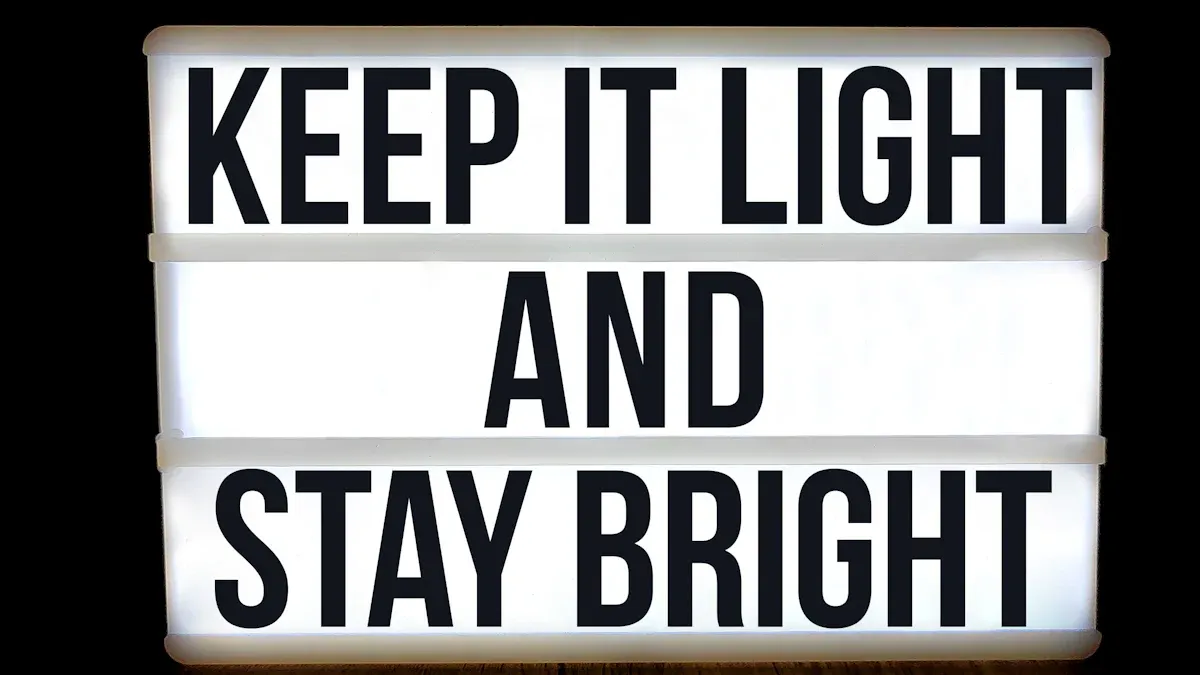
You can find LED light boxes in many places. They are in stores and homes. These boxes use LED lights to make displays bright. LED lights also save energy. People buy framed light boxes and LED sheet lights. Some people like portable lightbox designs too. The market is getting bigger every year. Businesses and homeowners want to make spaces special. They also want to lower their utility bills. When you buy a lightbox, think about how long it will last. You should also look at how much power it uses.
Always think about what you need before you choose.
Key Takeaways
LED light boxes use less energy and shine brightly. They are great for ads and decorations. Pick the right light box for your needs. You can choose framed, edge-lit, or backlit types. Each type works best for certain uses. Think about how bright you want your light box to be. Make sure the size fits your space. This helps people see it better. Take care of your light box often. Clean it and look for problems. This helps it work well and last longer. Check for safety marks like UL Listed and CE Marking. These show your light box is safe to use.
LED Light Boxes Overview
What Is a Lightbox?
You see a lightbox when you look at bright signs in stores or glowing frames on walls. A lightbox is a display tool that uses light to make images, graphics, or messages stand out. You can use a lightbox for art, advertising, or even tracing drawings. Most lightboxes use led light boxes because they shine brighter and last longer than older types. You will notice that a lightbox gives you clear, even light across the whole surface.
LED Sheet Lights Benefits
You get many benefits when you use led sheet lights in your displays. These lights are thin and flat, so you can fit them into small spaces. They spread light evenly, which means your images look bright and clear from every angle. You can use led sheet lights for many led sheet light applications, such as menu boards, retail signs, and art displays. When you choose led sheet lights, you save energy and money because they use less power. You also do not need to replace them often. Led sheet lights work well for both indoor and outdoor led sheet light applications. You can trust them to last a long time.
Tip: Led sheet lights help you create eye-catching displays without using much electricity.
Key Features of LED Light Boxes
You should know what makes led light boxes different from other display lights. Here is a table that shows the main features:
Characteristic | LED Light Boxes | Other Technologies |
|---|---|---|
Energy Efficiency | Uses much less power | Uses more power |
Lifespan | Lasts much longer | Needs more replacements |
Brightness | Provides brighter displays | Not as bright |
Color Accuracy | Shows colors more clearly | Colors may look faded |
Operating Costs | Saves you money over time | Costs more to run |
Most led light boxes use aluminum for the frame. Aluminum is light and does not rust. The front panel is usually acrylic, which spreads the light softly and protects your image. You can find two main types of lighting: back-lit and edge-lit. Back-lit lightboxes shine light from behind the image. Edge-lit lightboxes place the light in the frame, which works well for fabric displays.
Types of LED Light Boxes
Framed Light Boxes
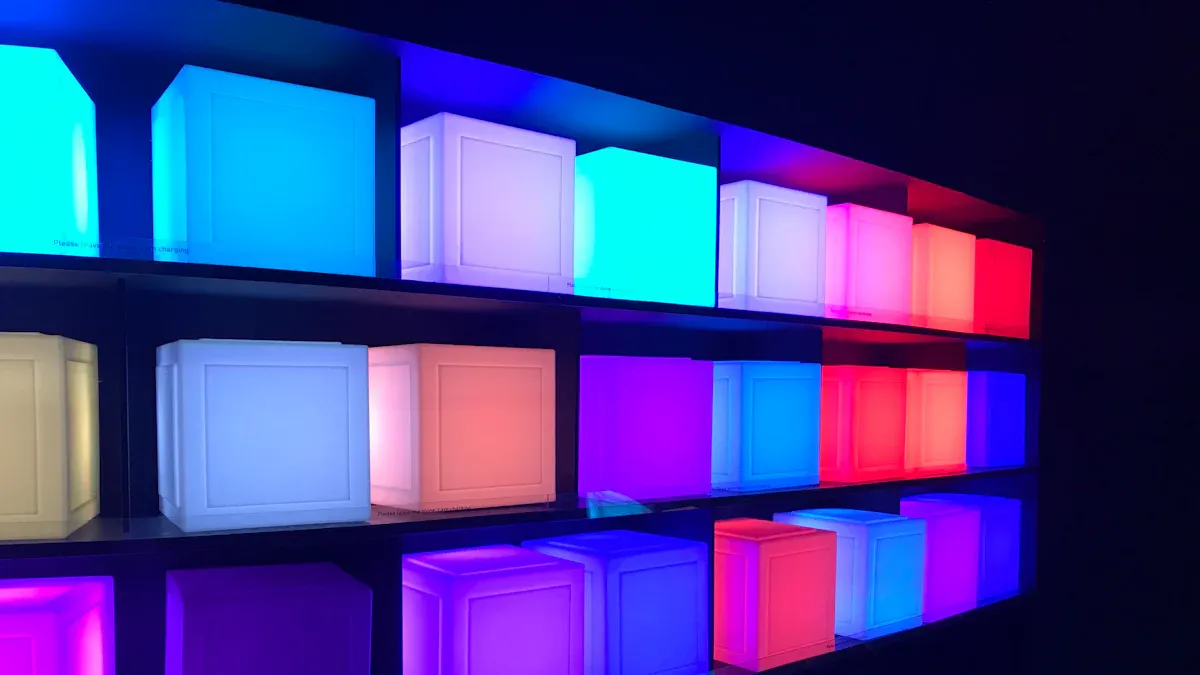
Framed light boxes are good if you want a classic style. They have a frame made from wood, aluminum, or other strong materials. The frame keeps the lightbox safe and makes it look nice. You can see wood frame LED light boxes in restaurants, offices, and homes. They work well in dark places like basements. Some framed lightboxes do not have lights but still make your pictures look better. Snap frames and SEG frames are part of this group.
Here is a table that shows the common types and how people use them:
Type of Light Box | Typical Applications |
|---|---|
Wood Frame LED Light Box | Retail, restaurants, homes, offices, and dimly lit basements. |
Backlit Light Boxes | Advertising campaigns, directional signage in hospitals, airports, and shopping centers. |
Non-lit Frames | Improve aesthetics in various settings, including SEG frames and Snap Frames. |
Edge Lit Light Boxes | Retail and advertising to enhance visibility. |
Fabric SEG Light Boxes | Trade shows and exhibitions, providing a lightweight and portable display option. |
Snap Frame Light Boxes | Menus in restaurants and promotional materials in retail environments. |
Tip: Framed light boxes help you make your display look professional in many places.
Edge-Lit Lightbox
Edge-lit lightboxes are thin and look modern. The LED lights are placed along the edges of the frame. The light spreads across the whole surface. These lightboxes are great for stores and ads. You get a bright picture without a big frame. They save space and look good on walls or counters.
Edge-lit lightboxes use less energy and last longer.
You can change the graphics easily to keep things new.
Backlit Lightbox
Backlit lightboxes are used where signs need to be bright and clear. This type shines light from behind the picture. It makes colors bright and images easy to see. You can find backlit lightboxes in airports, hospitals, and shopping centers. They help people find their way and get attention for ads.
Here is a table that shows the good and bad points:
Advantages | Disadvantages |
|---|---|
Energy-efficient | Higher costs |
Increased visibility | Maintenance requirements |
Customization options | Installation complexity |
Backlit lightboxes help stores get more customers because signs are easy to notice. You can use them for special graphics in many places. These lightboxes use LED technology, so you save money on power and do not need to replace them often. You might pay more at first and need to plan for repairs.
Note: Backlit lightboxes make your brand easy to see, but you should think about setup and care.
Snap Frame Lightbox
Snap frame lightboxes are good if you need to change pictures a lot. The snap frame lets you open it and switch images fast. This is why restaurants use them for menus and stores use them for sales.
Here is a table that shows the main features:
Feature | Benefit |
|---|---|
Snap frame mechanism | Quick and effortless graphic changes. |
Built-in illumination | Enhances visibility of graphics. |
Protective front panel | Easy access and replacement of graphics. |
Snap frame lightboxes help you keep your display new. You do not need tools to change the pictures. The LED lights inside make your images bright and easy to see.
Fabric Lightbox
Fabric lightboxes are used for big displays at trade shows or events. They use a fabric picture stretched over a frame. LED lights shine from behind the fabric. This makes colors bright and images stand out. Fabric lightboxes are light and easy to move. You can set them up fast and change the graphics without trouble.
Here are some important benefits:
Fabric lightboxes look fancy and get people’s attention.
They make products and messages easy to see, even at night.
You can set them up quickly and change pictures fast.
A table shows more benefits:
Benefit | Description |
|---|---|
Vibrant Color Display | Highlights colors and improves visual appeal. |
Attention-Grabbing Illumination | Stays bright at night, attracting passersby. |
Ease of Installation | Quick setup and graphic updates. |
Versatility | Works in exhibitions, retail spaces, and events. |
Energy Efficiency | Uses advanced LED modules to save electricity and last longer. |
Customizable Sizes | Fits many display needs with custom sizes. |
Lightweight and Portable | Easy to transport and reconfigure for events. |
Tip: Fabric lightboxes help you make displays that people remember and notice.
Custom and Portable Options
Custom and portable lightboxes are good if you need something flexible. These lightboxes come in many shapes and sizes. You can pick single- or double-sided pictures, thin frames, or designs that fit together. Some portable lightboxes use LED modules or neon strips for cool effects. Built-in power supplies make them easy to set up. Strong aluminum frames keep the lightbox safe but light enough to carry.
Here is a table that shows the options and how they help:
Customization Option | Impact on Usability |
|---|---|
Non-illuminated use | Flexible for different display environments. |
LED modules or neon strips | Improves visual effects and display quality. |
30mm slim structure | Supports vibrant graphics and looks modern. |
Single- or double-sided visuals | Adapts to various marketing needs. |
Modular design | Makes installation easy and user-friendly. |
Built-in power supply | Reduces setup complexity. |
Double channel structure for neon strips | Enhances visual effects, popular in retail. |
Durable aluminum profile | Sturdy and lightweight for transport. |
Custom and portable lightboxes help you set up displays fast at trade shows, pop-up shops, or events. You can move them easily and change the graphics to fit what you need.
Note: Custom and portable lightboxes let you control your display, so they are great for busy places.
There are many types of lightbox for every space and use. Each type has its own features and good points. You should think about what you need before picking a lightbox.
Uses of a Lightbox
Lightboxes are used in many places every day. The soft light from led light boxes makes displays easy to see. You can use a lightbox for ads, stores, art, trade shows, homes, hospitals, and schools. Each use gets better visibility and soft lighting.
Advertising and Signage
Lightboxes are common in ads and signs. They help people notice messages in busy areas. You see them outside at bus stops or in city centers. Inside, they make brands stand out in stores and offices. Hotels and offices use them for decoration too. Other uses are for directions and art displays.
Application Type | Description |
|---|---|
Outdoor Advertising | Light boxes are in bus stops, stations, and city centers for strong visibility. |
Used in stores and offices to make brands easy to see. | |
Decoration | Used in hotels and offices to make spaces look nice and boost brand image. |
Others | Used for directions, info displays, and art in public places. |
Retail Displays
Stores use lightboxes to make products look good. The bright light draws eyes and helps people see items. Stores use them for product displays and sale signs. You can swap out pictures to keep things new.
Feature | Benefit |
|---|---|
Bright, eye-catching illumination | Gets customers to look and helps them see products. |
Even graphic showcase | Makes displays pop in any store or shop. |
Advanced technology | Makes ads look bright and sharp. |
User-friendly design | Makes it easy to change signs for new sales. |
Art and Drawing
Artists use lightboxes for many reasons. They trace pictures, match colors, and see small details. The lit surface helps their eyes and makes work easier.
Benefit | How It Helps You Draw Better |
|---|---|
Backlit surface | Makes tracing lines simple and clear. |
Precise color differentiation | Helps pick and match colors easily. |
Improved readability | Lets you spot tiny details in your drawings. |
Trade Shows
Lightboxes help booths stand out at trade shows. Bright graphics and video screens get people to visit. These tools help share your brand and get noticed.
Evidence Type | Description |
|---|---|
Dynamic Backlit Graphics | Bright, sharp graphics with LED lights show off your brand. |
Video Walls | Big screens with moving images grab attention and look modern. |
Home and Interior Design
You can use a lightbox to decorate your house. People use them for accent lights, wall art, or glowing furniture. The soft light makes rooms feel warm and shows off photos or art.
Healthcare and Education
Hospitals and schools use lightboxes for special jobs. In hospitals, they copy natural light and help patients feel calm. They help people sleep better and lower stress. In schools and museums, they add info to displays and help students learn.
In hospitals, LED light boxes copy sunlight and help patients feel better.
In schools, light boxes give extra info near museum displays and help kids learn.
Lightboxes have many uses in life and work. The soft, even light helps people see better and makes displays work well.
Guide to Choosing LED Light Boxes
Picking the right lightbox can seem hard, but this guide makes it easier. You will learn how to match the features to your space and what you need. This guide talks about brightness, size, power, how to set it up, care, cost, how long it lasts, and safety. You will get tips for every step, whether you want a lightpad for art, light tables for tracing, or a display for your store.
Assessing Brightness and Size
Think about brightness first. The right amount of light makes your pictures clear and easy to see. Use this chart to help you pick the best brightness for your room:
Environment | Recommended Brightness (Lumens) |
|---|---|
Residential Living | 1500-3000 |
Residential Kitchen | 3000-6000 |
Commercial Office | 300-500 |
Industrial Warehouse | >1000 |
If you use light tables at home, pick a lower brightness. For kitchens or busy stores, choose a higher level. The size of your lightbox is important too. Here are some tips:
Big light tables stand out in stores.
Small light tables fit in small spaces.
Put your lightbox at the right height and angle for the best view.
Make sure the light covers the whole area you want to show.
A good led sheets buying guide will remind you to check both brightness and size before you buy.
Power Options and Features
You have lots of ways to power your lightbox. Each way changes how you set up and use your lighting. This chart shows the main types:
Power Option | Description | Influence on Installation Flexibility |
|---|---|---|
CeeLite Flexible Light Panel | Thin, bendy panels powered by inverters, needing different voltages. | Custom sizes and low power use make setup cheaper. |
Battery Powered Options | Uses AA, AAA, or 9V batteries. | Makes setup much easier and cheaper. |
Twist-In Power System | Uses jumpers and grids for flexible mounting. | Lets you move fixtures around easily. |
Flexible LED Sheets | Thin and bendy, easy to connect together. | Can be used in many ways, making design easier. |
If you want to move your light tables a lot, battery power is best. For special shapes, flexible led sheets give you more choices. Some cool features make your lighting easier to use:
Remote control lets you change your lighting from anywhere.
Stepless dimming helps you set the perfect brightness for your lightpad or display.
A good led sheets buying guide will help you compare these features.
Installation and Maintenance
Good setup keeps your lighting safe and bright. Follow these steps for the best results:
Plan and get ready before you start. Measure your space and check what lighting you need.
Use good wiring and follow the maker’s instructions.
Put your lightbox at the right angle and height. Make sure air can move around it.
Do not put your lighting in direct sunlight.
You also need to keep your light tables and lightpad clean and working well. Here is a care schedule:
Maintenance Frequency | Tasks |
|---|---|
Daily | Wipe the outside and diffuser for clear lighting. |
Weekly | Check air flow and electrical connections. |
Monthly | Look at LED panels and power supplies for damage. Clean inside, especially shiny parts. |
Quarterly | Check all hardware and test everything, including dimming. |
Annual | Change old parts and adjust lighting for best results. |
Regular care keeps your lighting bright and safe. You will stop problems and make your lightbox last longer.
Budget and Durability
You want your lighting to last and not cost too much. Prices change based on size, features, and type. Here is a quick chart:
Model | Price Range |
|---|---|
SwingFrame LED Edge-Lit Poster Lightbox | From $393.75 |
SwingFrame LED Edge-Lit Poster Lightbox with Matboard | From $425.16 |
How long your lightbox lasts is important, especially in busy or outdoor places. Watch out for these problems:
Bad LED chips may stop working early.
Bad setup or poor air flow can cause trouble.
Unstable power can make your lighting not last as long.
Cheap parts may make lights flicker or break.
Pick good materials like aluminum for better heat control and longer life. This guide helps you balance cost and how long your lighting will last.
Safety and Precautions
Safety is always most important. Look for these certifications when you buy lighting:
Certification | Description |
|---|---|
Tested and meets safety standards. | |
CE Marking | Meets EU safety, health, and environmental rules. |
CSA Group | Meets Canadian safety and quality standards. |
RoHS Compliant | Limits hazardous materials in electronics. |
UL-certified lighting goes through tough tests for safety and quality. CE and CSA marks show your lightbox meets strict rules. RoHS means your lighting is safer for the environment.
To stop overheating or electrical problems, follow these steps:
Use heatsinks and materials like aluminum to move heat away from LED chips.
Make sure your lightbox has good air flow.
Do not overload the electrical circuits.
Install thermal fuses or circuit breakers for extra safety.
Watch for signs of overheating, like burning smells or flickering lights.
Clean and check your lighting often to keep it safe.
This guide helps you pick safe, reliable lighting for any space. You will get better efficiency, longer life, and peace of mind.
Tip: Always use this guide before you buy or set up new lighting. You will get the best results for your display, light tables, or lightpad.
You now know that led light boxes save energy and last a long time. They also make displays look bright and colorful in many places. The table below shows what people like most right now:
Description | |
|---|---|
Energy Efficiency | Saves power and lowers costs |
Customization | Lets you create unique advertising displays |
Smart Technology Integration | Adds advanced features to your lightbox |
When you pick a led product, think about where you will use it. Also, look at the design, how bright it is, how to set it up, and if it is safe. Check your lighting often and ask experts for help if you need it.
For more help, find troubleshooting guides and tips from trusted sources.
FAQ
What is the main use of a lightbox for graphics?
You use a lightbox to make a graphic stand out. The light shines through the graphic and makes it bright. This helps you see every detail in the graphic. You can use it for art, ads, or any graphic display.
How do you change a graphic in a snap frame lightbox?
You open the snap frame. You take out the old graphic. You put in the new graphic. You close the frame. The process is quick. You do not need tools. You can change the graphic often to keep your display fresh.
Can you use a lightbox for tracing a graphic?
Yes, you can use a lightbox for tracing a graphic. The light shines through the graphic and the paper. You see the lines of the graphic clearly. You place your tracing paper on top of the graphic and follow the lines.
What makes a graphic look better in a fabric lightbox?
A fabric lightbox spreads light evenly behind the graphic. The graphic looks bright and colorful. The fabric helps the graphic stay smooth. You can use a big graphic for events. The graphic will catch people’s eyes.
How do you clean a lightbox without damaging the graphic?
Use a soft cloth. Wipe the surface of the lightbox gently. Do not use water on the graphic. If the graphic gets dirty, take it out and clean it with a dry cloth. Always keep the graphic flat to avoid wrinkles.
See Also
Exploring Acrylic LED Light Boxes: Varieties And Uses
Understanding Acrylic Light Boxes: Uses And Advantages
Essential Guide To LED Sign Boxes: Specs And Benefits
