LED Light Boxes: Types, Applications, and Installation Tips

You can find LED light boxes in many places. They are in stores and airports. A lightbox uses LED lights to shine bright and even. This makes pictures and signs easy to see. These displays are important. The market for them may reach $8 billion by 2035. This shows they are getting more popular. Many businesses pick LED light boxes. They save energy, last a long time, and look great.
Benefit | Description |
|---|---|
Energy Efficiency | LED lights use up to 80% less energy than old lights. |
Longevity | LEDs work much longer, so you do not need to replace them often. |
Improved Visibility | Bright and clear signs help bring more people into your store. |
Enhanced Marketing Impact | Strong pictures help your brand get noticed and boost sales. |
Flexibility and Versatility | You can use these boxes in lots of different places. |
Key Takeaways
LED light boxes use much less energy than old lights. They can save you money.
These displays last a long time. They work for 50,000 to 100,000 hours. You do not need to replace them often.
There are different kinds of LED light boxes. Backlit and edge-lit types have special uses. You can use them in stores or at shows.
If you install and take care of LED light boxes the right way, they work better. They last longer. Your display will stay bright and useful.
LED light boxes help people see things better. They can bring in more customers. This makes them a good choice for businesses.
LED Light Boxes Overview
What Is a Lightbox
You see a lightbox when you notice a glowing sign or display in a store, airport, or restaurant. A lightbox is a frame with a bright panel inside. This panel spreads light evenly across a graphic or message. You can use custom led light panels to show your logo, menu, or advertisement. The light inside the box makes colors pop and words easy to read. You can find lightboxes in many shapes and sizes. Some are thin and modern, while others are large and bold. Custom led light panels let you choose the size and brightness that fit your needs.
Key LED Features
When you pick led light boxes, you get many benefits. These displays use less energy than old signs. You save money on your power bill. You also help the environment. Custom led light panels last much longer than fluorescent or incandescent lights. You do not need to change bulbs often. This means less work and fewer repairs.
Tip: You can use custom led light panels for both small and large displays. They work well for menu boards, retail signs, and art displays.
Here is a quick look at how edge-lit and backlit lightboxes compare:
Characteristic | Edge Lit Light Boxes | Backlit Light Boxes |
|---|---|---|
Lighting Method | Indirect lighting using LED strips on the edges | Direct lighting with LEDs on the back panel |
Design | Ultra-thin frame due to side positioning of lights | Requires more depth (2-4 inches) for light diffusion |
Energy Efficiency | More energy-efficient, fewer bulbs needed | Requires more bulbs, less energy-efficient |
Visibility | Slight glow on corners, may have dark spots | Even light distribution, better for large graphics |
You can also see how led light boxes save you money and time:
Category | Traditional Signage | LED Light Boxes |
|---|---|---|
Energy Consumption | High | About 50% less |
Energy Cost Savings | None | Over $5,000 in five years |
Lifespan (hours) | 10,000 to 15,000 | 50,000 to 100,000+ |
Maintenance | Frequent replacements | Minimal due to durability |
Custom led light panels give you bright, clear, and reliable displays. You can trust your lightbox to work well for years.
Types of LED Light Boxes
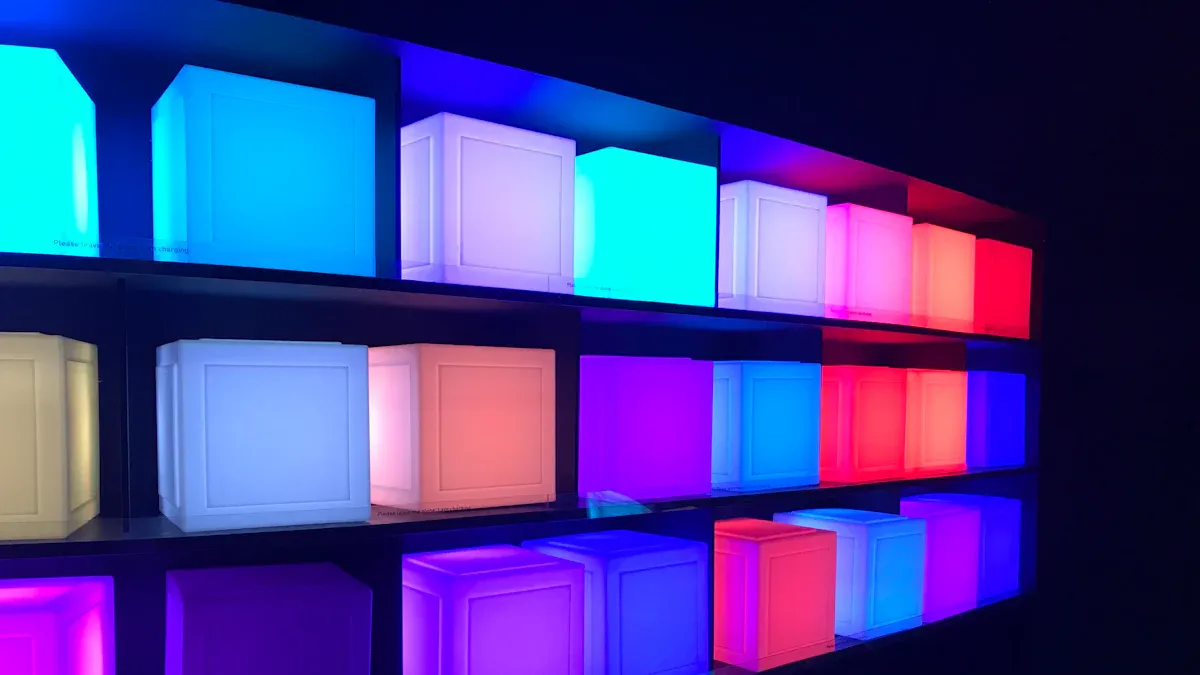
Framed Lightbox
A framed lightbox has a strong border that keeps the display safe. You can switch out pictures or messages fast. This makes it good for many uses. Some framed lightboxes let you change images with Wi-Fi or Bluetooth. You can use digital signage tools to control them. These boxes can get brighter or dimmer by sensing the room’s light. They use less power and can check for problems on their own.
Feature | Description |
|---|---|
Changing Content Display | Lets you show different images or messages. |
Wi-Fi and Bluetooth | Lets you update the display from far away. |
Works with Other Systems | Works with digital signage tools for easy control. |
Auto Brightness Adjustments | Changes brightness based on the light in the room. |
Saves Energy | Uses less power to save money. |
Checks Itself | Looks for problems so repairs are quick. |
You see framed lightboxes in stores for ads, in offices for logos, and in museums for art. Outdoor billboards use them too because the frame keeps the graphics safe from weather.
Tip: Pick a framed lightbox if you want a strong border and need to change your display a lot.
Edge-Lit Lightbox
Edge-lit light boxes have LED strips along the sides of the frame. The light moves across a special panel and spreads out to light up the whole picture. This makes the box very thin and easy to hang on walls. You can put these in places where there is not much space.
Edge-lit light boxes cost less and are easy to set up. They are good for small displays. But you might see glare in the corners or sides, and the light may not look even everywhere.
Lightbox Type | Light Uniformity |
|---|---|
Edge-Lit Lightbox | Not as even, with glare in corners and sides |
Backlit Lightbox | Good, even lighting |
Light Guide Plate | Very even lighting, great display effect |
If you want a thin display and do not need perfect lighting, edge-lit light boxes are a good pick.
Backlit Lightbox
Backlit light boxes shine light from behind the picture. This gives even lighting and makes your images look clear and sharp. You get bright colors and strong visibility, even in big spaces.
Type of LED Light Box | Effect on Image Quality | Visual Impact |
|---|---|---|
Backlit | Even light everywhere | Clear and professional look |
Edge-lit | May have uneven lighting | Dim spots in big displays |
LED sheet lights | Very thin and even | Bright, no shadows |
Backlit LED light boxes give even light.
They make colors look bright and easy to see.
Good graphics and bright light help people notice your display.
“A well-designed light box sign can help your business stand out, make your brand easy to remember, and show your message from far away.”
You should use backlit light boxes in showrooms, trade shows, or anywhere you want your pictures to stand out.
Snap Frame Lightbox
A snap frame lightbox has a frame that snaps open and closed. You can change posters or pictures fast without any tools. The corners have springs, so you just snap them open, swap the picture, and snap them shut. The frame keeps the poster tight and smooth.
The snap-open frame lets you change posters quickly.
Spring corners make it easy to open and close.
Holds posters tight so they do not wrinkle.
Very thin and looks simple.
Light and easy to move or update.
Snap frame lightboxes are great for places where you change posters a lot, like movie theaters, restaurants, or stores.
Fabric Silicone Lightbox
Fabric silicone lightboxes use a soft fabric picture with a silicone edge. You push the edge into a groove around the frame. Built-in LED lights make the pictures bright and clear, even when it is dark. These boxes use less energy and last a long time.
Built-in LED lights make pictures bright and easy to see.
Even brightness and strong colors look great.
Easy to put together and take apart.
Strong and lasts a long time.
Light and simple to move or store.
You see fabric silicone lightboxes at trade shows or in big stores. They are good for big displays and events where you want to get attention.
Magnetic Lightbox
A magnetic lightbox uses magnets to hold the front panel in place. You can change pictures fast by lifting the front and swapping the image. You do not need any tools. This makes it easy to keep your display new and up to date.
The magnetic front lets you change pictures fast and easy.
Great for store ads, seasonal changes, and brand updates.
Easy to keep displays looking fresh.
Good for businesses that change their signs often.
If you need to change your pictures a lot, a magnetic lightbox is a smart choice for stores or shows.
Selection Tip:
When you pick a lightbox, think about where you will use it and how often you will change the pictures. Look at these things:
Criteria | Description |
|---|---|
Light Source Location | Shows which type of light box is best for your space. |
Design | Changes how the light box looks and works. |
Energy Efficiency | LED light boxes use less energy than old types. |
Light Distribution | Makes sure the whole display is lit up evenly. |
Brightness | Helps people see your display better. |
Color Temperature | Changes how your pictures look and feel. |
Installation | Think about how easy it is to put up. |
Durability | Affects how long the light box will last. |
Cost | Helps you stay within your budget. |
Maintenance | Less work means you save money over time. |
You can find the best lightbox for your needs by thinking about these things. This helps you get the best results for your space and your message.
Lightbox Applications
Retail and Product Displays
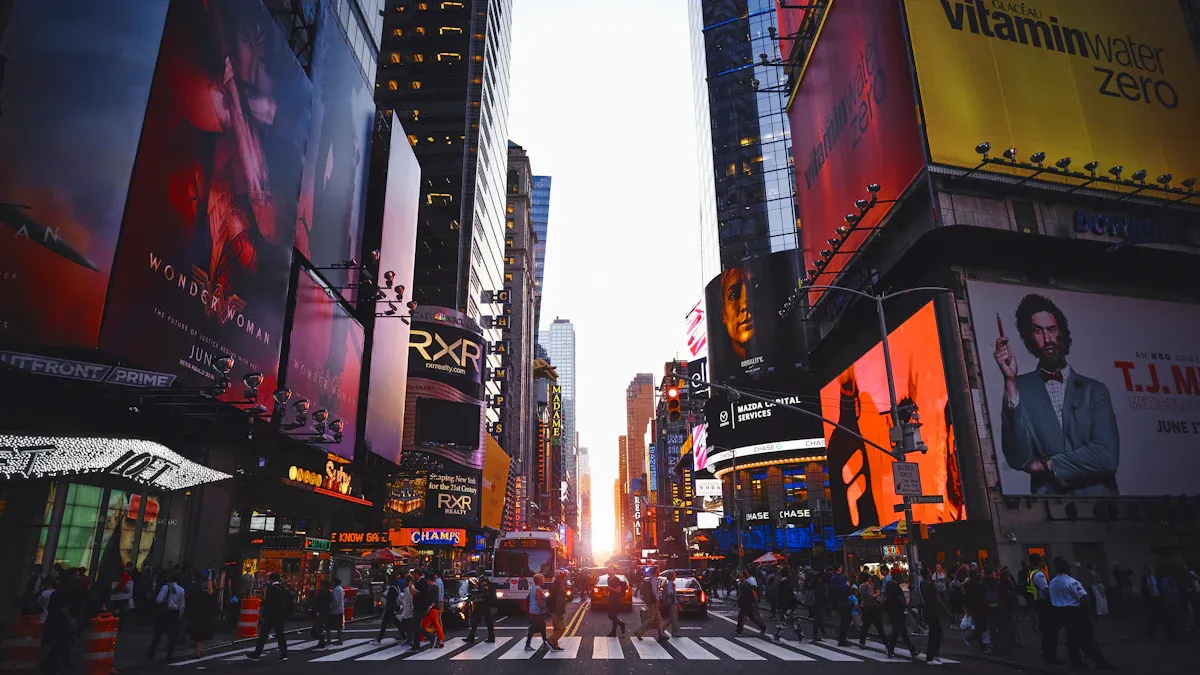
Lightboxes are in many stores. They help show new products. They also highlight sales and deals. A lightbox makes your store window stand out. Customers see your graphics quickly. Indoor lightboxes work for sales and product walls. Outdoor lightboxes are good for banners and ads. The bright light makes graphics look bold. It draws people to your store. Tabletop lightboxes show small items up close. Using lightboxes helps more people see your displays. They make shoppers want to look and interact.
Application Area | Common Applications |
|---|---|
Advertising | Storefront promotions, Event banners, Transit station ads, Restaurant menus |
Retail | Window displays for new arrivals, Point-of-sale promotions, Seasonal sales signs, Product feature walls |
Signage and Wayfinding | Transportation hubs, Shopping centers, Public squares, Healthcare facilities |
Educational Uses | Classroom displays, Science labs, Art rooms, Library study areas |
Digital Signage and Wayfinding
Led light boxes help with signs and directions. They work well in busy places. These signs show clear directions. People can find their way easily. Lightboxes are easy to see, even in dark spots. Some have touch screens or show many languages. This helps everyone, even people with disabilities. In emergencies, these signs show safety messages fast. Led light boxes use less energy. Some can run on solar power, which helps the planet.
Easy to see for navigation
Fast updates and directions
Touch screens for better use
Good for all visitors
Quick messages in emergencies
Menu Boards
Restaurants use lightboxes for menu boards. The bright light makes menus easy to read. You can change graphics fast for new specials. The slim shape looks modern and neat. These boards last a long time and save energy. They give a professional look that brings in more customers.
Benefit | Description |
|---|---|
Bright Illumination | Makes the menu easy to see in any light. |
Energy Efficiency | Uses less power than old lights, saving money. |
Durability | Lasts longer, so you do not replace it often. |
Slim and Stylish Design | Looks modern and fits any space. |
Customizable Graphics | Lets you change menus or specials quickly. |
Versatility | Comes in many sizes and shapes for different needs. |
Enhanced Visibility | Easy to read from far away, brings in customers. |
Professional Appearance | Looks clean and helps your restaurant look nice. |
Ease of Use | Simple to update and keep current. |
Cost Savings | Saves money with less energy and fewer replacements. |
Exhibitions and Trade Shows
Lightboxes help your booth stand out at shows. They make a bright first impression. You can use custom graphics for your brand. The glowing light attracts people from far away. Visitors stop to look and talk with you. Lightboxes help you get noticed and remembered.
Bright graphics help people remember your brand
Fun viewing experience
Custom designs for your booth
Easy to see in any light
Museums, Arenas, Airports
Museums, arenas, and airports use lightboxes for signs and decoration. You see maps, event times, and directions on these signs. Clear graphics help you find your way and learn about events. Airports use lightboxes for travel info. Led light boxes last long and save energy. They work well in busy places, inside or outside.
Tip: Think about where you will use your lightbox and what graphics you need. The right lightbox helps people see your message clearly.
Lightbox Installation
Installing a lightbox can seem tricky, but you can do it with the right steps and tools. This step-by-step guide will help you plan, mount, and troubleshoot your led light boxes for the best results. Good installation helps your box last longer, improves energy efficiency, and keeps your display safe.
Planning and Selection
Start your lightbox installation by making a plan. You want your display to look great and work well for a long time. Here is a step-by-step guide to help you choose and prepare:
Choose high-quality led light boxes from trusted brands. Look for safety certifications like UL, ETL, or CE.
Read the instruction manual before you begin. This helps you avoid mistakes during installation.
Check that you have all the parts and tools. Missing pieces can slow you down.
Pick a spot with good visibility and enough space for your lightbox.
Make sure the area has the right power supply and voltage for your led.
Allow for airflow around the box to prevent overheating. Good ventilation keeps your light working longer.
Use surge protectors to keep voltage steady and protect your display.
If you want to dim your light, use dimmers made for led products.
Protect your lightbox from moisture, dust, and bumps. Use weatherproof housings for outdoor displays.
Plan for regular cleaning and checkups to keep your lightbox bright and efficient.
Tip: Always test your lightbox before your event or opening day. This step helps you catch any problems early.
Mounting Methods
You can mount your lightbox in different ways. The method you choose affects how easy the installation is and how stable your display will be. Here is a table to help you compare:
Mounting Method | Description |
|---|---|
Standard Junction Boxes | These work for most indoor spaces. They are made from plastic or metal and fit many fixtures. |
Weatherproof Boxes | Use these for outdoor lightbox installation. They keep out rain and dust with special seals. |
Surface-Mounted Boxes | Attach these directly to walls or ceilings. They are good when you have little wall space. |
For most trade shows or retail spaces, surface-mounted boxes are quick and easy. Outdoor displays need weatherproof boxes for safety and durability.
Adhesive and Bracket Options
You can use adhesives or brackets to secure your lightbox. Each option has its own benefits:
Adhesive strips or pads work well for lightweight displays on smooth surfaces. They make installation fast and leave no holes.
Brackets give extra support for larger or heavier lightboxes. You screw them into the wall or ceiling for a strong hold.
Magnetic mounts let you change your display quickly. They are perfect for places where you update graphics often.
Note: Always remove any protective film from your lightbox before mounting. This keeps your display clear and bright.
Safety and Troubleshooting
Safety is important during lightbox installation. Follow this step-by-step guide to avoid accidents and keep your display working well:
Check your lightbox for cracks or exposed wires before you start.
Keep the installation area away from children and pets.
For outdoor displays, use weatherproof fixtures with a high IP rating.
Make sure your power supply matches the lightbox requirements.
Turn off the power before you connect or replace any parts.
Here are some common problems and how you can fix them:
Problem | Causes | Solutions |
|---|---|---|
Uneven Lighting or Hotspots | LED strips not lined up, poor diffusion, or bad LEDs. | Move the strips, use a better diffuser, or replace the LEDs. |
Flickering or Pulsing Lights | Weak power supply or wrong drivers. | Use a stable power source and the right drivers. |
Premature LED Failure | Overheating or loose wires. | Improve airflow and check all connections. |
Discoloration or Fading Graphics | Sunlight or low-quality prints. | Use UV-resistant materials and high-quality prints. |
Connectivity and Control Issues | Network errors or bad controls. | Check your network and update control systems. |
Clean your lightbox with a soft cloth. Do not use harsh chemicals.
Check and replace any worn-out parts during regular maintenance.
Always follow the manufacturer’s instructions for the best results.
Tip: Certifications like UL, ETL, and CE show that your lightbox meets safety and quality standards. Look for these marks when you buy a new display.
By following these installation tips and this step-by-step guide, you can set up your led light boxes safely and efficiently. Good planning and careful mounting help your lightbox shine bright, save energy, and last for years.
You can find many types of led light boxes for different needs. The table below shows where each lightbox works best:
Type | Best Use |
|---|---|
Edge-lit | Retail, advertising |
Backlit | Signs, wayfinding |
Snap frame | Menus, promotions |
Fabric SEG | Trade shows, events |
Proper installation keeps your led safe and bright. Always check your light and follow each step. If you need help, ask a professional or read more guides.
FAQ
How do you clean an LED light box?
Use a soft, dry cloth to wipe the surface. Avoid water or harsh cleaners. If you see dust inside, unplug the box and gently remove the cover. Clean the inside with care. Plug it back in when finished.
Can you use LED light boxes outdoors?
Yes, you can use special outdoor LED light boxes. Look for weatherproof models with a high IP rating. These boxes resist rain, dust, and sunlight. Always check the product details before installing outside.
How long do LED light boxes last?
Most LED light boxes last between 50,000 and 100,000 hours. You can expect years of bright, reliable use. LEDs last much longer than old bulbs. You save money on replacements.
Do LED light boxes use a lot of electricity?
No, LED light boxes use much less electricity than traditional signs. You save energy and lower your power bill. LEDs are efficient and eco-friendly.
Can you change the graphics in a light box yourself?
Yes, you can change the graphics easily. Snap frame, magnetic, and fabric silicone light boxes let you swap images without tools. Always follow the instructions for your specific model.
See Also
Exploring Acrylic LED Light Boxes: Varieties And Uses
Understanding Acrylic Light Boxes: Uses, Advantages, And Choices
Tailored Acrylic Light Boxes: Creation, Components, And Setup
Acrylic Light Panels: Varieties, Uses, And Installation Guide
LED Sign Displays: Varieties, Innovations, And Deployment Techniques
