LED Light Boxes Explained: Types, Uses, and Setup Tips

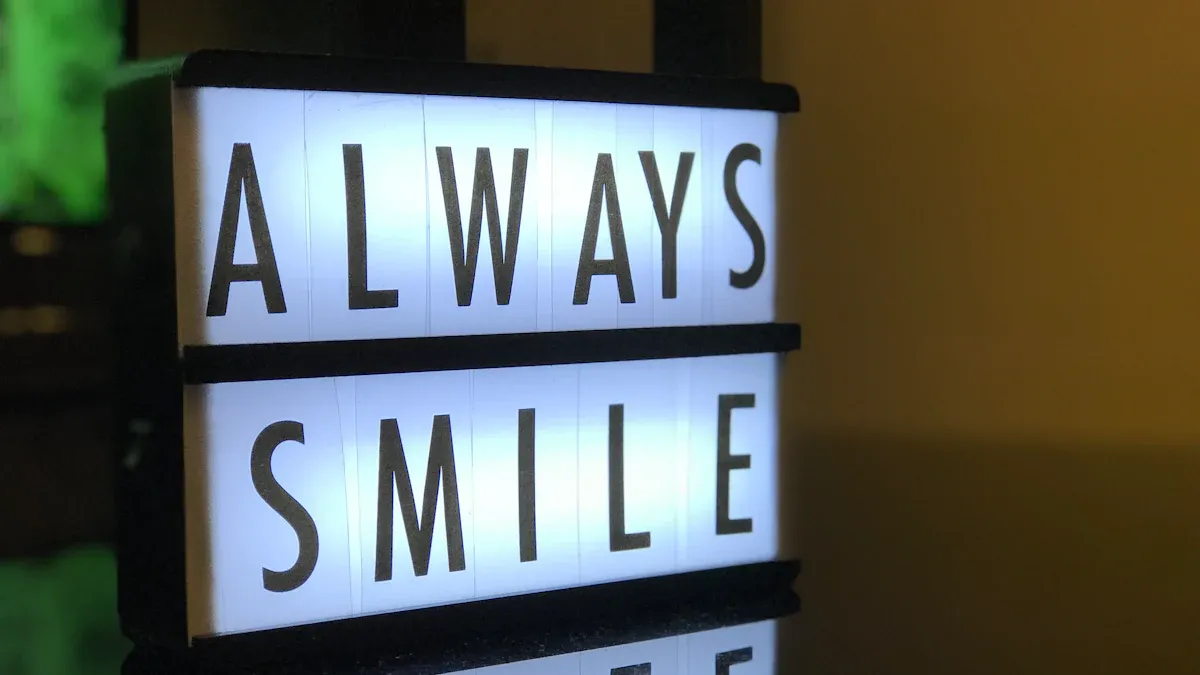
You can find LED light boxes in many places. A lightbox uses LED lights to make bright, even light in a thin box. This helps your pictures and signs look better. LED light boxes save up to 80% more energy than old fluorescent ones. You get good energy savings and spend less money. More people want eco-friendly lighting, so LED light boxes are getting more popular. New features like edge-lit and backlit choices make each box work for more things.
Key Takeaways
LED light boxes give bright and even light. This makes pictures and signs look better. They use less energy and can save up to 80% more power than old fluorescent lights. There are different kinds of LED light boxes. Some are edge-lit and some are backlit. Each type works for different displays and spaces. You should clean your light box and change the graphics often. This keeps it looking nice and working well. Picking the right light box helps people see better. It also lowers energy bills and makes your brand look good.
What Are LED Light Boxes?
Key Features
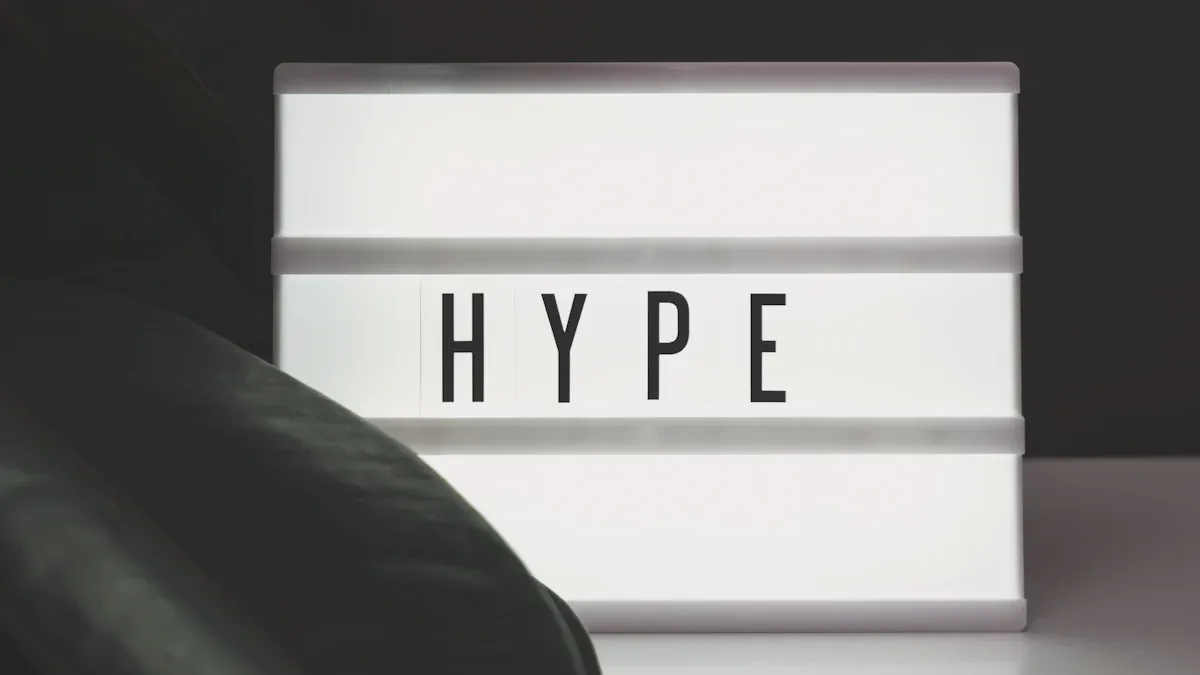
You will notice that led light boxes stand out for their slim design and bright, even light. Each box uses a led light source to create a clear display. You can find these boxes in many sizes and shapes. Most boxes have a sturdy frame that holds a translucent panel. This panel lets the light shine through and makes your images or signs look sharp. You can change the graphics inside the box easily, which helps you update your display fast.
Some key features include:
Slim profile for easy mounting
Uniform light across the surface
Quick graphic changes
Durable construction for long use
How They Work
A led light box works by spreading light evenly behind your image or sign. The box uses led arrays as the main light source. These leds sit behind or along the edges of a special diffusion panel. The panel spreads the light so you do not see any bright spots or dark areas. The depth of the box affects how many leds you need for even lighting.
Tip: A deeper box may need more leds to keep the light uniform across the whole surface.
Here is a table showing how each part helps create even illumination:
Component | Role in Uniform Illumination |
|---|---|
LED Arrays | Provide the main light source for even distribution |
Light Diffusion | Spreads the light across the display surface |
Frame Depth | Decides how many leds are needed for uniformity |
Main Benefits
You get many benefits when you choose led light boxes. They offer energy efficiency, which means you save money on power bills. These boxes last much longer than older types, so you do not need to replace parts often. You also avoid flickering or buzzing, which keeps your display looking professional.
Less frequent repairs
Consistent brightness
Instant-on feature for quick use
Wide range of colors for creative displays
The table below compares the lifespan and maintenance needs of different lightbox types:
Type of Light Box | Lifespan (Hours) | Maintenance Needs |
|---|---|---|
LED Light Box | 50,000 - 100,000 | Low (fewer repairs) |
Fluorescent Light Box | 10,000 - 30,000 | Moderate (more repairs) |
Incandescent Light Box | 1,000 - 3,000 | High (burn out quickly) |
You will find that led light boxes give you a reliable, cost-effective, and flexible way to light up your displays.
Types of LED Light Boxes
There are many kinds of lightbox designs you can pick. Each one has its own shape and way of lighting up. You should choose based on where you will use it and what look you want.
Edge-Lit Lightbox
An edge-lit lightbox has LED strips on the sides of the frame. The light goes sideways into a light guide plate. This plate spreads the light all over the front. The box is thin, so it saves space and looks new. The light guide plate must be good quality. If you get a big edge-lit box, the middle might look dim. That happens because the LEDs are far from the center.
Tip: Edge-lit lightboxes are best for small displays or places that need a slim box.
Here is a table that shows how edge-lit and back-lit lightboxes are different:
Feature | Edge-Lit LED Light Boxes | Backlit LED Light Boxes |
|---|---|---|
Light Emission | Light goes through the front and reflects down. | Light spreads by the lens and shines out. |
Components | Frame, diffusion plate, light guide plate, light strip, reflective film, backplate. | Frame, diffusion plate, light strip, back cover. |
Backplate Thickness | Thinner backplates. | Thicker backplates with powder coating. |
Light Quality | The light guide plate matters a lot. | The back cover helps reflect more light. |
You see edge-lit lightboxes in stores, offices, and art shows. They are easy to hang on walls or use as signs. You can also find them as signs in hallways.
Edge-lit lightboxes use less energy.
They are good for small and medium pictures.
You can swap pictures fast.
Backlit Lightbox
A back-lit lightbox has LED strips behind the picture panel. The light shines forward through a diffusion plate. This makes the whole box bright and even. The back cover bounces the light, so the display stands out.
Back-lit lightboxes are great for big displays. You see them in store windows, at trade shows, and in public places. They are good for ads, directions, and branding. You can use them for signs and hanging displays.
Use Case | Description |
|---|---|
Retail and Commercial Displays | Bright store windows and product displays that catch attention. |
Exhibitions and Trade Shows | Big displays for brand messages or product features. |
Public Spaces | Lit-up displays for ads and directions in airports and malls. |
Corporate Environments | Office branding and décor with easy-to-change pictures. |
Back-lit lightboxes are very bright.
They work well for big pictures.
You can use strong LED strips for even light.
Wall-Mounted Lightbox
A wall-mounted lightbox goes right on a wall. You need to drill and use hardware to keep it safe. This kind is good for displays that stay in one place in offices, schools, and stores. You can pick edge-lit or back-lit styles for wall-mounted lightboxes.
You see wall-mounted lightboxes in halls, lobbies, and meeting rooms. They show menus, schedules, or art. You can also use them for signs and hanging pictures.
Note: You should measure and mark carefully before you put up a wall-mounted lightbox.
Wall-mounted lightboxes save space on the floor.
They look neat and modern.
You can change pictures easily.
Tabletop Lightbox
A tabletop lightbox sits on a desk, counter, or table. You do not need tools to set it up. You can move it wherever you want. This kind is great for small signs, menus, or art. You can pick edge-lit or back-lit styles for tabletop lightboxes.
A small tabletop lightbox works well in jewelry stores, cafes, and booths. You can use it for showing pictures or as a hanging display on a shelf.
Tabletop lightboxes are easy to carry.
You can swap pictures fast.
They are simple to store when not in use.
Outdoor Lightboxes
Outdoor lightboxes use tough materials that stand up to weather and sun. You need a box with an IP65 rating to keep out dust and water. Outdoor lightboxes must follow safety rules to stop electrical problems. You see these boxes as signs, hanging displays, or wall signs outside stores and buildings.
Outdoor lightboxes use materials that resist sun and rust.
They keep pictures bright in rain or sunshine.
You can use them for menus, maps, or ads.
Specialty and Custom Lightboxes
You can get custom led light panels for special needs. These boxes fit special shapes, sizes, or lighting styles. You see custom led light panels in art galleries, stores, and trade shows. Some use double-sided lightboxes for windows or hanging displays. Others use custom led light panels with SEG fabric frames for big pictures.
Feature/Application | Description |
|---|---|
Storefronts | Double-sided designs and bright lights grab attention. |
Commercial Interior Design | Mix style and use to make shopping better. |
Trade Shows and Conferences | Easy-to-move and build displays for events. |
Advertising and Signage | Good lighting for signs and messages. |
Sustainability | Made with recyclable materials and eco-friendly methods. |
You can use custom led light panels for signs, hanging pictures, or as a wall lightbox. Stores like quick-change pictures and thin boxes. Artists use custom led light panels for lit-up art. You can also find double-sided lightboxes for hanging in windows or aisles.
Tip: Custom led light panels help you make displays that fit your brand or space.
You have lots of choices when picking a lightbox. Think about where you will use it, how bright you want it, and how often you will change the pictures. Each kind lets you show your message with clear, even light.
Lightbox Applications
You can use a lightbox in lots of places. Each way you use it helps you share messages and make displays better. The table below shows where advertising light boxes are used:
Environment Type | Description |
|---|---|
Retail Stores | Used for showing products and sales. |
Exhibitions | Lights up artwork so people can see it well. |
Malls | Gets shoppers’ attention with bright signs. |
Restaurants | Makes menus and deals easy to see. |
Casinos | Shows cool pictures to get visitors interested. |
Healthcare | Shares info in a nice, clear way. |
Hospitality | Tells guests about services and events. |
Retail and Advertising
You see advertising light boxes in stores and malls. These boxes help show products and sales with bright light. A fancy clothing store used edge-lit boxes for new clothes. Each box showed a different style, so customers could look easily. This makes shopping fun and helps people notice special items. LED light boxes help your store stand out.
Business Signage and Wayfinding
Advertising light boxes are important for business signs. You can use a box to show your logo or help people find their way. The table below explains how these boxes help:
Role of LED Light Boxes | Description |
|---|---|
Enhancing Visibility | LED light boxes shine bright, so people see businesses easily. |
Creating Professional Brand Identity | Lit-up logos and signs make a business look professional. |
Constant Advertising | They show ads all day and night, so people remember the business. |
Energy Efficiency | LED lights last long and use less power, so businesses save money. |
You can use advertising light boxes to help people find places in malls, hospitals, and airports.
Menus and Food Displays
Restaurants and cafes use advertising light boxes for menus and specials. These boxes make menu items easy to read anytime. You can change the menu quickly and add new deals. The table below shows why this is helpful:
Benefit | Description |
|---|---|
Superior Readability | Menu items are easy to see in any light. |
Effortless Updates | Specials and deals can be changed fast. |
Customization | You can add your brand to the menu design. |
Ambiance Contribution | Good lighting makes the place feel nice. |
Interactive Features | Touch screens let people interact with the menu. |
Clear Communication | Menus are easy to understand and look good. |
Sales Improvement | Using lightboxes can help restaurants sell more. |
Memorable Presentation | Menus look cool and catch people’s eyes. |
Exhibitions and Trade Shows
You see advertising light boxes at exhibitions and trade shows. These boxes make booths bright and easy to find. You can use a box to show new products or important info. This helps you get more visitors and share your message clearly. LED light boxes also save energy and last a long time, which saves money.
Bright light helps people see your booth.
Graphics look bold and clear.
You can show off new things easily.
LED light boxes save money over time.
Art and Photography
Artists and photographers use advertising light boxes for creative work. You can use a box to light up art in galleries or public places. Photographers use LED light boxes for even light on small things, like jewelry or food. The table below shows how these boxes help with art:
Application Type | Description |
|---|---|
Public Art Installations | Artists work with tech experts to make art better using LED lightboxes. |
Customization | LED lightboxes can be made in different sizes and shapes for cool art displays. |
Durability | They last a long time and use less energy, so they are good for outdoor art. |
You can use a box to show art or help make it.
Home Décor
You can use advertising light boxes at home for style and light. Many people pick custom boxes to match what they like. You can choose modern or fun looks. LED light boxes save energy and look nice in living rooms, bedrooms, or halls. This lets you make your space special with your own lighting.
You can choose from lots of designs.
LED lights keep your home bright and save energy.
You can see that each way to use a lightbox solves a different problem. You can find the best box for your store, restaurant, event, or home.
Installation and Setup Tips
Setting up a lightbox can look easy, but you need to follow the right steps for a safe and efficient installation. This step-by-step guide will help you measure, mark, mount, and wire your box. You will also learn the best tips for both indoor lightboxes and outdoor displays.
Measuring and Marking
You need to start with careful measuring and marking. This step-by-step guide helps you avoid mistakes and makes sure your box fits perfectly.
Use a tape measure and a level to check the distances at each spot you want to mark.
Mark the place for your box with a pencil.
Double-check your measurements to make sure they are correct.
Look for pipes or wires behind the wall. If you find any, pick a different spot.
Place a level on the floor and hold it straight by the electrical box.
Mark the top and bottom of the box on the level with a pencil.
Draw a line along the side of the level onto the floor.
Repeat this on the other side of the electrical box.
Stand the level on one of the pencil lines on the floor and draw a line up the wall.
Move the pencil marks from the level onto the wall for the top and bottom of the box.
Stand the level on the second pencil mark on the floor and draw the last line up.
Connect the lines to finish the outline of the box.
Cut along the lines with a jab saw to make the hole for your box.
Tip: Always check for hidden pipes or wires before you cut into the wall.
Indoor vs. Outdoor Setup
You need to know if your box will go inside or outside. Indoor lightboxes do not need as much protection from weather. Outdoor boxes need to stand up to rain, dust, and sun. Look for a high IP rating, like IP65 or higher, for outdoor use. This rating means your box can handle tough weather.
Indoor boxes work well in offices, stores, and homes.
Outdoor boxes need waterproofing and strong materials.
Use silicone around lamp holders for extra water resistance outside.
Place outdoor boxes in covered spots if you can.
Feature | Indoor Box | Outdoor Box |
|---|---|---|
Weatherproofing | Not needed | Must have |
IP Rating | Not required | IP65, IP66, or IP67 |
Material | Standard | Rust and UV resistant |
Placement | Anywhere inside | Covered or open outdoors |
Note: Outdoor installation needs more care to keep your box safe from water and dust.
Mounting Steps
Mounting your box is a key part of the installation. Follow this step-by-step guide for a safe and sturdy setup.
Turn off the power at the circuit breaker before you start.
Wear insulated gloves, safety glasses, and non-slip shoes.
Hold the box up to the wall or surface where you marked it.
Use the right hardware for your wall type (anchors for drywall, screws for wood or concrete).
Drill holes at the marked spots.
Attach the mounting brackets or frame to the wall.
Lift the box and secure it to the brackets or frame.
Make sure the box is level and tight against the wall.
Tip: Always follow the manufacturer's instructions and local electrical codes for safe installation.
Wiring and Power
Wiring your box the right way keeps you safe and makes your light work well. Here are some tips and a step-by-step guide for wiring:
Plan your wiring before you start. Check the space and make sure you have the right tools.
Use high-quality wires and connectors. Avoid overloading the circuit.
Make sure the power supply matches the voltage of your led box.
Use connectors instead of solder joints for led strip lights.
Keep wires neat and away from sharp edges.
For outdoor boxes, use weatherproof connectors and keep wires dry.
Step-by-step guide for wiring:
Turn off the power supply before you touch any wires.
Check that the voltage matches your led box.
Connect the wires using connectors, not solder.
Double-check all connections before turning the power back on.
Test the box to make sure the light works.
Tip: Regularly dust your box and check the wiring for any loose parts.
Graphic Changes and Maintenance
You need to keep your box looking fresh and working well. Change graphics often, especially in busy places. This keeps your message clear and your display eye-catching.
Change graphics more often in high-traffic areas.
Update your graphics to keep your message new.
Clean the box and the panel with a soft cloth.
Check for dust, dirt, or damage every month.
Replace faulty leds or wires right away.
Tips: Regular updates and cleaning help your box last longer and look better.
Common Installation Challenges
You may face some challenges when you install edge-lit, backlit, or wall-mounted boxes. Safety and weather resistance are important. The table below shows key safety standards:
Safety Standard | Description |
|---|---|
Grounding Testing | Prevents electric shocks by checking proper grounding. |
Insulation Performance | Makes sure wires do not leak current, even if damp. |
Withstand Voltage Testing | Checks if the box can handle voltage surges. |
High IP ratings mean better protection from dust and water.
Waterproofing keeps your box safe in harsh weather.
Tip: Always check the IP rating and safety features before you install your box.
By following these installation tips and this step-by-step guide, you can set up your box safely and keep it working for years. Careful planning and regular maintenance help you get the most from your lightbox and ensure efficient installation every time.
You now know that picking the right lightbox helps your displays look bright and clear. It also makes your message easy to see. Using a box for your led displays gives you many good things. You save energy, so your bills go down. The boxes last a long time, so you do not fix them often. Each box is light, so you can move it without trouble. You can also change how the box looks to fit your brand.
Maintenance Frequency | Task Description |
|---|---|
Weekly | Check ventilation and electrical connections. |
Monthly | Inspect internal components and perform deep cleaning. |
Quarterly | Conduct comprehensive checks and functionality tests. |
Annual | Replace worn parts and calibrate settings. |
Keep learning about new led technology. You can do this by watching trends, going to trade shows, and reading news about displays.
FAQ
How do you clean an LED lightbox?
You can clean the surface with a soft, dry cloth. For tough spots, use a damp cloth with mild soap. Avoid harsh chemicals. Always unplug the box before cleaning to stay safe.
Can you use a lightbox outdoors?
Yes, you can use some models outdoors. Choose a box with a high IP rating, like IP65. This rating means the box resists water and dust. Outdoor models use strong materials for weather protection.
How often should you change the graphics?
You should change graphics when you update promotions or want a new look. In busy places, change them every few weeks. For home or art, change them when you want something fresh.
What power supply do LED lightboxes need?
Most LED boxes use a standard wall outlet. Check the label for voltage details. Always match the power supply to the box’s needs. This keeps your display safe and bright.
Is a lightbox easy to install by yourself?
You can install many boxes with basic tools. Wall-mounted types may need drilling and careful measuring. Always follow the instructions. Ask for help if the box is large or heavy.
See Also
Exploring Acrylic LED Light Boxes: Varieties And Uses
Understanding Acrylic Light Boxes: Uses And Choosing Tips
Acrylic Photo Light Boxes: Varieties, Advantages, And Ideas
An Overview Of LED Light Box Displays Explained
Acrylic Neon Light Boxes: Varieties, Advantages, And Design Ideas
