LED Light Boxes: Types, Applications, and Benefits

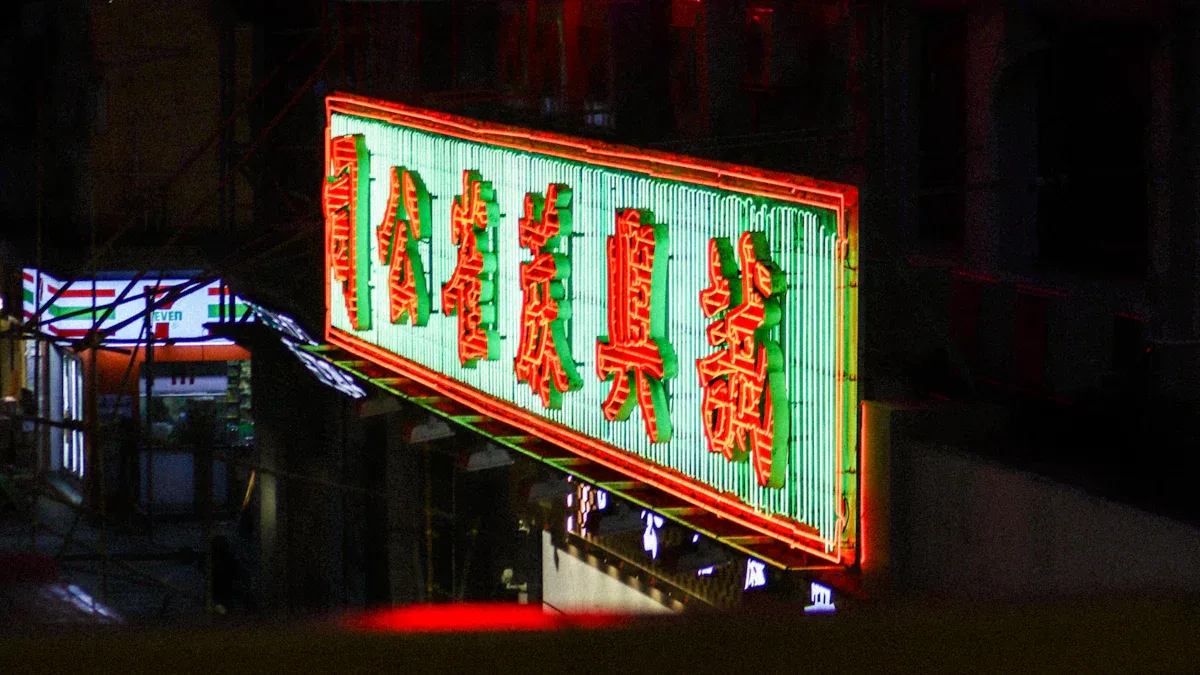
You can find led light boxes in many places like stores and art studios. A led light box uses LED lights to make pictures and graphics look bright and even. These displays catch your eye with strong colors and sharp images. They help brands share their stories and make products easy to notice.
Lightboxes help customers pay more attention and remember brands better.
Benefit | Description |
|---|---|
Enhanced Engagement | Helps customers interact more, so they get more interested. |
Brand Storytelling | Lets brands share their stories in fun and easy-to-remember ways. |
Energy Efficiency | LED light boxes save a lot of energy compared to old lighting systems. |
Key Takeaways
LED light boxes help people see things better. They shine bright and spread light evenly. This makes messages and art easy to notice.
They use less energy than old lights. This means you save money on your electric bill.
LED light boxes last a long time. They can work for up to 25,000 hours. You do not need to replace them often.
They are light and thin. You can put them up easily in many places. Stores and art studios use them a lot.
You can change the pictures or signs quickly. You do not need any tools. This keeps displays new and interesting for people.
What Are LED Light Boxes
Definition and Features
You see led light boxes in many places where people want to show images or messages clearly. These boxes use LED strips to light up graphics from behind. The light spreads evenly, so every part of the picture looks bright and sharp. You can change the graphics easily without using tools, which helps when you need to update signs or posters often.
Here is a table that shows how LED light boxes compare to other illuminated display technologies:
Feature | LED Light Boxes | Other Technologies |
|---|---|---|
Illumination Method | Backlit LED strips | Fluorescent, neon |
Brightness | Up to 7000 lumens | Varies |
Design Material | Extruded aluminum | Wood, plastic, steel |
Graphic Update Mechanism | Easy, tool-free updates | Often requires tools |
Viewing Distance | Optimized for close-up viewing | Suited for larger distances |
Light Distribution | Bright and even across frame | Varies |
You get a display that looks professional and catches attention. The aluminum frame makes the box strong but light. You can move it or hang it without much effort.
Tip: LED light boxes work best when you want to change graphics quickly and keep displays looking fresh.
Importance in Displays
LED light boxes help you make your displays stand out. You get bright colors and even lighting, so your message is easy to see. These boxes use rigid LED strips that save energy and last a long time. You can install them in tight spaces because the edge-lit design does not take up much room.
You can use them in stores to show products or sales.
They work well in art studios for tracing and drawing.
You see them in airports and malls for signs and directions.
The light stays cool, so graphics do not fade or get damaged.
LED light boxes give you a simple way to update your display and keep it looking new. You help people notice your message and remember it.
Types of Light Boxes
When you look at light boxes, you find many choices. Each kind has special features for art, displays, or business use.
By Light Source
You can pick light boxes by the type of light inside. Most new boxes use LED lights. These lights are bright and last a long time. Some older boxes use fluorescent or neon lights. LED technology saves more energy and gives even lighting. LED light boxes make displays look sharp and professional.
By Material
The material changes how your light box looks and works. Aluminum frames are strong and light. You can move or hang them easily. Some boxes have plastic or acrylic panels in front. These help spread light and protect your graphics. Some custom boxes use wood or steel. But aluminum and acrylic are most common for stores.
By Use
Light boxes have many uses. Some are best for ads, others help artists or photographers. Here are some creative ways people use them:
Dynamic layering lets you show different images by changing graphics.
Interactive LED lightbox art reacts to touch or movement.
Mixed media fusion mixes photos, drawings, and lights.
Illuminated storytelling shares messages with glowing pictures.
Kinetic light art uses moving parts and changing lights.
Digital-analog fusion mixes printed graphics with digital screens.
Immersive environments surround you with light and color.
Sculptural lighting turns the box into art.
Custom lightbox signs and message boxes share information in new ways.
Artists use new ways to change color and light for cool effects.
By Installation
You can set up light boxes in different ways. Your choice depends on your space and skills. Here is a table that shows the good and bad sides of each way:
Installation Method | Pros | Cons |
|---|---|---|
Professional | Experts make sure it is safe. | Costs more for labor. |
DIY | Saves money on fees. | You need basic electrical skills. |
Tip: Professional installation is safest and most reliable. DIY is good if you like hands-on work and want more control.
By Purpose
You can choose light boxes for different reasons. Each reason changes the design and features you need.
LED light boxes in ads help people see products and buy more.
In photography, they light up images evenly for clear photos.
In stores and public places, they guide people and share news.
When you know the types of light boxes, you can pick the best one for your project. You get displays that fit your needs and help you reach your goals.
Applications of LED Light Boxes
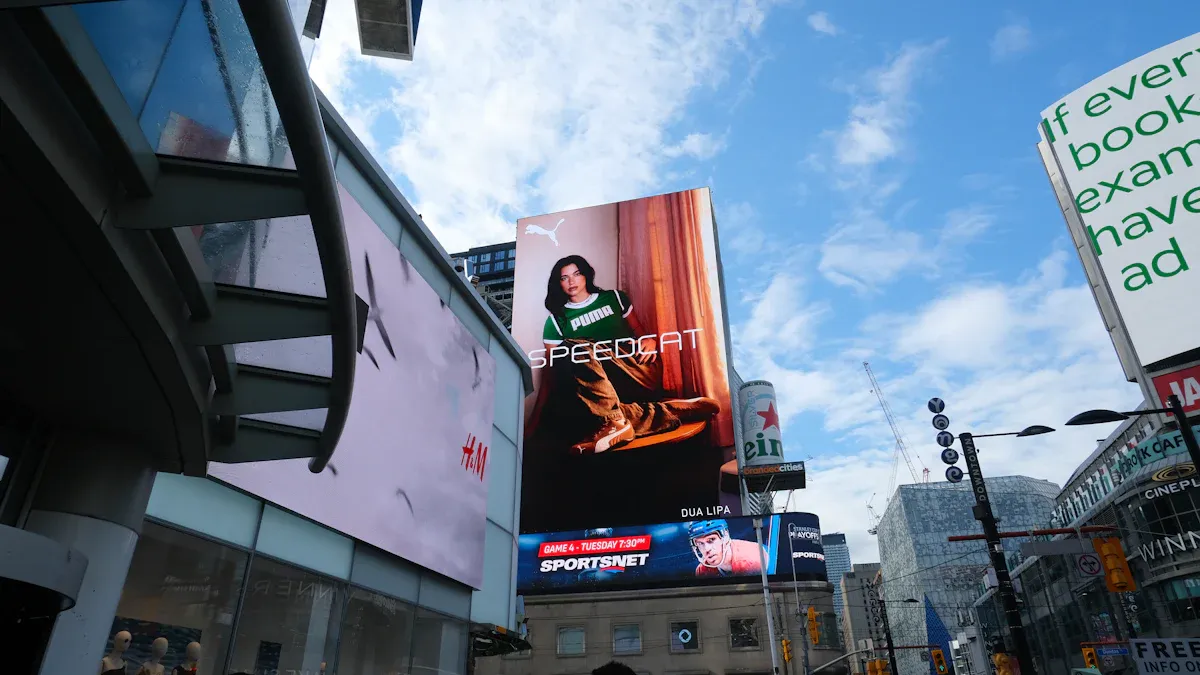
You can see led light boxes in lots of places. These boxes help you show messages, display art, and guide people. You can use them in many ways. Each way has its own special benefit.
Advertising Light Box
You spot advertising light box displays on busy streets and in malls. Airports use them too. These boxes catch your eye with bright lights and bold colors. You see posters, product launches, and brand promotions in these boxes. The strong lighting makes graphics pop and helps you remember the message. You can change what’s inside quickly, so your display always looks new. The professional look shows that a business cares about quality.
Tip: If you want more people to see your ads, use an advertising light box. The bright lights grab attention and bring more people to your display.
Common application scenarios for advertising light boxes:
Storefront promotions
Event banners
Transit station ads
Restaurant menus
Retail and Commercial Displays
You find led light boxes in stores and shopping centers. They help you show off products and sales. Retailers use them to make displays look better and guide customers to deals. You see them in windows, at checkout counters, and in product showcases. These boxes look sleek and let you change graphics for new sales.
Typical application scenarios in retail:
Window displays for new arrivals
Point-of-sale promotions
Seasonal sales signs
Product feature walls
Note: Big stores may have trouble installing led light boxes. The first cost is high and changing old systems can be hard. You need to plan well to keep your business running smoothly.
Art and Photography
You use led light boxes in art galleries and photo studios. These boxes give you even lighting and control. Artists and photographers use them to show their work in the best way. You get a space with no distractions and can control shadows. Editing photos is easier and your pictures look more professional.
Application scenarios for art and photography:
Gallery exhibitions
Studio photo shoots
Portfolio displays
Art installations
Tip: If you want your art or photos to look great, use a led light box for even lighting and clear details.
Tracing and Drawing
You use led light boxes for tracing and drawing. Artists, designers, and students use these boxes to see lines and shapes clearly. The steady light helps you trace without hurting your eyes. You can change the brightness for different jobs. This makes drawing and sketching easier and more accurate.
Typical application scenarios for tracing and drawing:
Animation studios
Fashion design
Architecture drafting
Classroom art projects
Signage and Wayfinding
You see signage light box displays in airports, train stations, hospitals, and malls. These boxes help you find your way and get important info. The London Underground uses LED signs for train updates and emergency alerts. Heathrow Airport uses them for flight info and maps. Shopping malls show store directories and deals. Hospitals guide patients and visitors with clear signs.
Application scenarios for signage and wayfinding:
Transportation hubs
Shopping centers
Public squares
Healthcare facilities
Tip: Signage light box displays help you find your way and feel less stressed in busy places.
Educational Uses
You find led light boxes in schools and learning centers. These boxes help you focus and stay awake. Bright classrooms help you pay attention and feel better. LED lights are like daylight, which helps you concentrate and do well in school. Steady light keeps your eyes comfortable and helps you work longer. Different colors can make learning more fun and help you feel good. Schools save money because LEDs use less energy and last longer.
Benefit | Description |
|---|---|
Improved Student Engagement | Bright classrooms help you stay interested and learn more. |
Increased Focus and Concentration | LED lights help you stay awake and do better in school. |
Reduced Fatigue and Eye Strain | Steady light keeps your eyes comfortable and helps you work longer. |
Enhanced Learning Atmosphere | Different colors make learning more fun and help you feel good in class. |
Energy Efficiency | LEDs save energy and last longer, so schools spend less and help the environment. |
Application scenarios in education:
Classroom displays
Science labs
Art rooms
Library study areas
Note: You can use led light boxes in many places. They help you learn, create, and share information in new ways.
Benefits of LED Light Boxes
High Visibility
LED light boxes make pictures and words easy to see. The bright light helps you notice every part, even far away. Colors look strong and graphics look clear. People pay attention in busy places. This helps you share your message better.
Tip: Use LED light boxes if you want everyone to see your message.
Energy Efficiency
LED light boxes help you save energy. They use much less power than old bulbs. Most of the energy turns into light, so little is wasted. You pay less for electricity. This helps you save money and protect the planet.
LED bulbs use much less energy than old bulbs.
They turn most energy into light.
You get lower bills and less waste.
Long Lifespan
LED light boxes last much longer than other lights. You do not need to change bulbs often. This saves you time and money. The table shows how long each type lasts:
Lighting Technology | Average Lifespan (Hours) |
|---|---|
LED Light Boxes | |
Incandescent Bulbs | ~1,000 |
Halogen Bulbs | 1,250 - 2,000 |
Slim and Lightweight Design
LED light boxes are thin and light. You can put them almost anywhere. The slim frame fits in small spaces. You can hang them or put them on counters. You can move them easily. Your display looks neat and modern.
Reduced Heat Emission
LED light boxes do not get very hot. Most energy becomes light, not heat. Your display stays cool and safe. There is less chance of burns or fires. The table shows how much heat each type makes:
Lighting Type | Energy Conversion | Heat Emission | Safety Benefit |
|---|---|---|---|
LED | 95% light, 5% heat | Low | Less risk of burns and fires |
Fluorescent | 5% light, 95% heat | High | More risk of burns and fires |
LED light boxes make less heat.
Your display is safer and cooler.
Less heat helps your graphics last longer.
Versatility
You can use LED light boxes in many places. They work in stadiums, airports, bars, theaters, restaurants, galleries, museums, hotels, and trade shows. You can change the size, depth, and brightness. You can show any printed picture and change colors for each place. This helps you reach your goals and fit any space.
Note: LED light boxes work almost anywhere and give you many choices for your display.
Choosing LED Light Boxes
Assessing Needs
You should start by thinking about what you need from your LED light box. Each project has different requirements. The table below shows important factors to consider:
Factor | Description |
|---|---|
Brightness | Choose the right brightness for your display. Advertising often needs over 4000 lumens per square meter. |
Color Temperature | Pick warm, natural, or cool light to set the mood. Warm (2700K-3000K), natural (4000K-4500K), or cool (6000K-6500K). |
Size and Thickness | Measure your space. Custom sizes and thickness help fit your needs. |
Lens and IP Rating | Look for good light diffusion and protection from dust or water. |
Power Supply Options | Make sure the power matches your LED box. Dimming can help set the right mood. |
Certification and Compliance | Check for safety marks like CE, RoHS, UL, or TUV. |
Cost Considerations | Think about both the first price and future savings. High quality means less repair later. |
Comparing Types
You will find many types of LED light boxes. Compare them by their light source, frame material, and how you plan to use them. Some work best for art, others for signs or ads. Look at the features that match your goals. Think about how easy it is to change graphics and how the box fits in your space.
Installation Factors
Before you buy, check your space and power needs. Here are some things to remember:
Make sure your power supply is at least 20% stronger than your LED lights need.
The power supply must fit inside or near your display.
You need the right tools for safe setup.
If the power supply is outside the box, it should mount close to your display.
Tip: Plan your installation before you buy. This helps you avoid problems later.
Budget Considerations
LED light boxes can cost more at first, but they save money over time. The table below shows how features can affect price:
Features | Price |
|---|---|
12,000 LUX Brightness | £298.80 |
21,000 LUX Brightness | £452.52 |
Digital Control Panel | Included |
Stainless Steel | Included |
Dimming (10-100%) | Included |
You pay more for higher brightness and special features. LED boxes use less energy and last longer, so you spend less on repairs and electricity.
Supplier Tips
When you choose a supplier, follow these steps:
Check the company’s experience and reputation. Look for at least 5–10 years in the business.
Ask about product quality and safety marks like UL, CE, or RoHS.
Make sure they have their own factory and can handle your order.
Test their customer support. Good suppliers answer quickly and help with questions.
Compare prices from different companies. Be careful with prices that seem too low.
Ask about delivery times and shipping partners.
If you can, visit the factory to see how they work.
Note: A good supplier helps you get a safe, high-quality LED light box that fits your needs.
You now know LED light boxes have many good points for displays and art projects. The table below shows the main ideas:
Key Takeaway | Description |
|---|---|
Energy Efficiency | LED light boxes use less energy than old lights. |
Long Lifespan | They can last up to 50,000 hours, so you do not need to replace them often. |
Enhanced Visibility | Bright and even lighting makes signs and art easy to see. |
Design Flexibility | There are many types and custom choices to fit what you want. |
Low Maintenance | You spend less time and money taking care of them. |
If you want to start your own project, you can use these resources: Consultation services help you plan your lighting. Experts can design the best lighting setup for your space. Trade Show TalesBlog shares real stories and tips about LED light boxes.
FAQ
How do you clean an LED light box?
You can use a soft cloth to wipe the surface. Avoid harsh chemicals. If you see dust inside, gently remove the front panel and clean it. Always turn off the power before cleaning.
Can you change the graphics in an LED light box easily?
Yes, you can swap graphics without tools. Most LED light boxes have snap frames or magnetic covers. You just open the frame, place your new graphic, and close it.
Do LED light boxes use a lot of electricity?
No, LED light boxes use much less electricity than older lighting systems. You save money on your energy bill. LEDs also last longer, so you replace them less often.
Where can you install an LED light box?
You can install LED light boxes on walls, ceilings, counters, or even hang them. They fit in stores, schools, airports, and art studios. You should check the space and power supply before installing.
What sizes do LED light boxes come in?
LED light boxes come in many sizes. You can find small boxes for desks or large ones for walls. Some suppliers offer custom sizes to fit your project.
See Also
Exploring Acrylic LED Light Boxes: Varieties, Uses, and Setup
Understanding Acrylic Light Boxes: Uses, Advantages, and Choosing Tips
Acrylic Photo Light Boxes: Varieties, Advantages, and Innovative Uses
Illuminated Acrylic Display Boxes: Varieties, Characteristics, and Uses
Acrylic Neon Light Boxes: Varieties, Advantages, and Design Ideas
