LED Light Boxes vs Traditional Light Boxes Pros and Cons

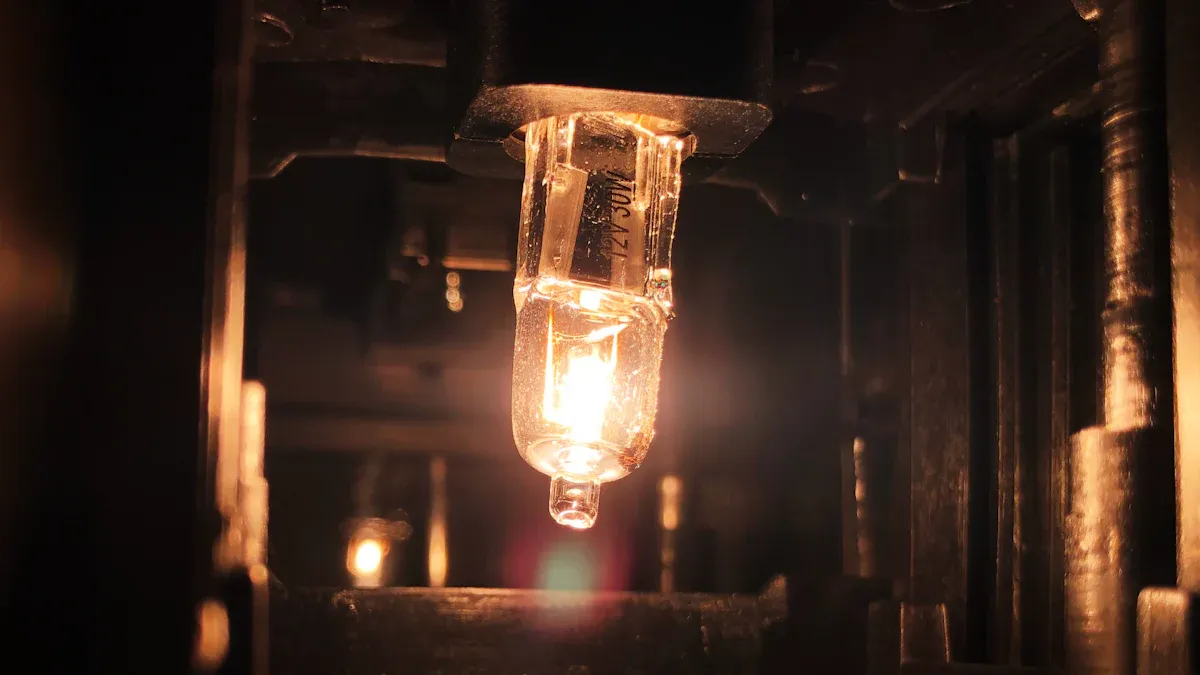
If you want a brighter display and lower power bills, an led light box might be better. Many people say energy efficiency, durability, and cost matter a lot. Offices that switched to LED used 40% less energy. Employees felt happier too. You should think about cost, lifespan, energy use, maintenance, and how your display looks.
Key Takeaways
LED light boxes save energy. They use up to 90% less power than regular bulbs. This can help you pay less for electricity.
LED light boxes last a long time. They can work for over 50,000 hours. You will not need to replace or fix them often.
Traditional light boxes cost less at first. They are good if you need something cheap for a short time.
Think about the light you want. LED light boxes give bright and even light. Traditional boxes make a warm light that some people like.
Think about what you need. LED light boxes are great for new and energy-saving displays. Traditional light boxes are better for old styles and simple setups.
LED Light Box Overview
What Is a LED Light Box
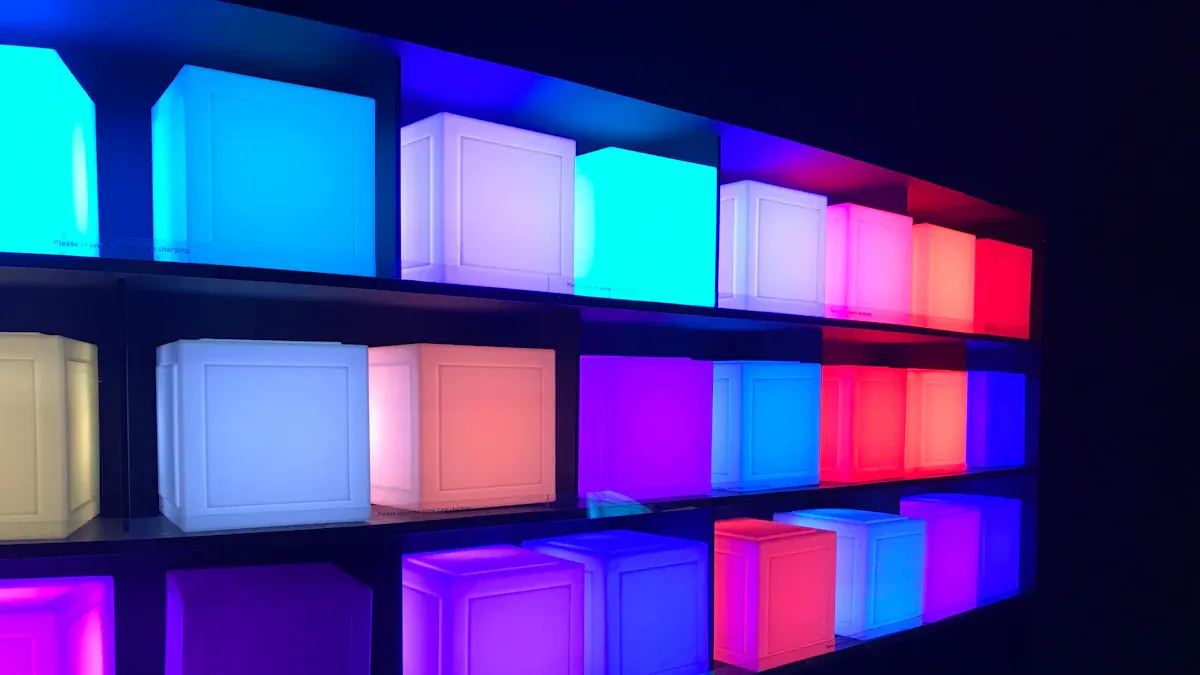
You may ask how a led light box is not like older ones. A led light box uses special lights called light-emitting diodes. These lights make things look bright and even. The technology uses less energy and does not get very hot. The box is thin and small, so it fits in many places. Led light boxes are brighter and spread light evenly. You can put them in small spots or hang them on walls. You do not need to worry about big, heavy equipment. The lights last longer because they stay cool and can handle bumps. Using a led light box is good for the planet. It uses less power and makes a smaller carbon footprint.
Tip: Pick a led light box if you want a modern look and to save energy.
Thin shape fits in small places
Bright, even light helps displays stand out
Strong build keeps it from breaking
Uses less energy and saves money
Good for green businesses
Common Uses
You can find led light boxes in lots of places. They are great for ads because they grab attention. Stores use them to show off products and help sell more. Hospitals and clinics use led light boxes for medical pictures. The bright light helps doctors see scans better. Photographers use them as light tables to see every detail. You also see led light boxes at trade shows, art shows, and coffee shops.
Ads for brands and events
Store displays for products
Medical pictures in hospitals and clinics
Light tables for photographers
Art shows and trade show booths
A led light box is flexible, stylish, and works well. You can use it almost anywhere to make things stand out.
Traditional Light Boxes Explained
What Is a Traditional Light Box
You may wonder how a traditional light box is not like an LED one. Traditional light boxes use fluorescent or incandescent bulbs for light. These boxes have a few main parts that work together. There is a lamp, which is usually fluorescent or incandescent. A ballast helps control the electricity flow. A diffuser spreads the light so it looks even. An enclosure keeps all the parts together. These boxes give off a soft and steady glow. The light can look warm or cool, based on the bulb you pick. Some bulbs show colors very well, so images look real. Newer boxes use electronic ballasts, so there is less flicker. They also save a little more energy. You might feel the box get warm after it is on for a while.
Note: Pick a traditional light box if you want a classic style or need a certain color of light.
Common Uses
You can find traditional light boxes in many places. Stores, hospitals, hotels, and schools use them to share messages. They also help grab people’s attention. Here is a quick look at where you might see them and what they do:
Industry | Typical Use Cases |
|---|---|
Retail | Bring in customers, show sales, help sell more. |
Healthcare | Help people find their way, show info, give emergency news. |
Hospitality | Show menus, special deals, event news, make places look nice. |
Public Transportation | Show schedules, alerts, maps, help riders feel happy. |
Corporate and Education | Show brands, promote events, share info, help people connect. |
You might see a traditional light box in a store window with a new product. Hospitals use them to help people find rooms or see important news. Restaurants and hotels use them for menus and deals. Schools and offices use them to share news or talk about events. Traditional light boxes have been used for a long time, so people trust them.
LED Lightbox Pros
Brightness and Visual Impact
You want your display to get noticed. LED lightbox posters make displays look brighter. These boxes use new technology to give off more light. This means your posters look clear and bright. They stand out, even in crowded places. Edge-lit light boxes have special lenses. These lenses spread the light everywhere. Every part of your display shines. In stores, led lightbox posters show true colors. Shoppers see items as they really are. This makes shopping more fun. It can help you sell more things. Backlit options work well outside too. They catch the eye of people walking by.
Tip: Use led lightbox posters if you want your message seen from far away.
Energy Efficiency
Saving money on power is important. LED lightbox posters use much less energy than old boxes. Studies say switching to LEDs can cut energy use a lot. Some buildings save up to 40% on energy bills. LED lights use up to 90% less energy than incandescent bulbs. They use up to 50% less than fluorescent bulbs. This means you save money every month. You also help the planet by using less power.
LED lighting can cut energy use by 60-80% compared to old fixtures.
Commercial buildings spend a lot on lighting, but LEDs can lower this by 60-80%.
LED lights use up to 90% less energy than incandescent bulbs and up to 50% less than fluorescent bulbs.
Durability and Lifespan
You do not want to replace your light boxes often. LED lightbox posters last much longer than old ones. The lights stay cool, so they last longer. You can move them without breaking anything. Most LED light boxes work for years before you need new bulbs. This means less work for you. You get more time to show your display.
LED systems last longer because they stay cool.
You can use led lightbox posters in busy places without worry.
Fewer replacements save you money and time.
Low Maintenance
No one likes fixing things all the time. LED lightbox posters need very little care. You only check them every 6–12 months. Cleaning is simple and does not take long. Old light boxes need more repairs and bulb changes. With LEDs, you skip those extra jobs.
LED light boxes need checks every 6–12 months.
Cleaning LED fixtures is easy and should be done every few months.
Old systems need more replacements, but LEDs do not.
Less maintenance means you spend less money.
Environmental Benefits
If you care about the earth, LED lightbox posters are a good pick. They use less energy, so they make less pollution. They last longer, so you throw away less. Many LED light boxes are made with parts you can recycle. This is better for the planet. They often meet strict safety and green rules, so you know they are safe.
Certification | Description |
|---|---|
CE Certification | Shows the product follows EU safety rules, including low voltage and safe materials. |
CSA | Checks that the lights are safe and work well for plants. |
CETLUS | North American version of CE, making sure lights are safe in Canada and the USA. |
RoHS | Makes sure electronics have fewer harmful materials, needed in California. |
IP65 | Means the light is dust-tight and safe from water streams. |
DLC Certification | Proves LED lights are energy efficient and tested for plant use. |
LED lightboxes use less energy, so they make less pollution.
They last longer, so you replace them less and help the earth.
LEDs are made with parts you can recycle.
Many LED lightbox posters have certifications like UL Listed, CE Marking, CSA Group, and RoHS Compliant.
Note: Picking LED lightbox posters helps you save money, make less trash, and protect the earth.
LED Lightbox Cons
Higher Initial Cost
You might notice LED light boxes cost more when you first buy them. The price tag can surprise you, especially if you need many units for a big project. LED technology uses special parts and advanced electronics. These features make the box last longer and use less energy, but they also raise the price. If you run a small business or have a tight budget, you may need to plan for this extra expense. Over time, you save money on energy and maintenance. Still, the upfront cost can feel high compared to traditional light boxes.
Tip: If you want to upgrade your displays, think about your budget and how soon you want to see savings.
Compatibility Issues
Switching to LED light boxes sounds easy, but you can run into problems. Sometimes, your old display system does not work well with new LED boxes. You may see flickering lights. This happens when the power supply does not match or the dimmer switches are not compatible. If you use smart home systems, you might find that some LED lights do not connect or respond the way you expect. Control issues can pop up and make things frustrating.
Flickering can happen because of power supply changes or dimmer switches that do not match.
Some LED lights do not work well with smart home systems, so you may have trouble controlling them.
You should check your current setup before you buy LED light boxes. Ask questions about compatibility and make sure you get the right parts.
Light Quality Differences
LED light boxes look bright and clear, but the light can feel different from older styles. You may notice the color of your display changes a little. Some people say LED lights feel cooler or less warm than incandescent bulbs. The way colors show up depends on the color rendering index, or CRI. Most LED lights have a CRI of 80 or higher. Some reach up to 98, which is very good. Incandescent bulbs usually have a CRI around 50. Basic fluorescent lights also score near 50, but special tri-phosphor types can go up to 90.
LED lights often show colors well, with CRI ratings of 80+ and some up to 98.
Incandescent bulbs and basic fluorescent lights have lower CRI, around 50.
High-end fluorescent bulbs can reach CRI levels close to 90.
If you care about how colors look in your display, you should check the CRI rating before you buy. Some LED boxes may not give you the warm glow you want, but many new models offer better color quality.
Note: Always test the light quality in your space. What looks good in the store may look different in your office or shop.
Traditional Light Boxes Pros
Lower Upfront Cost
You might want to save money when you start a new project. Traditional light boxes usually cost less at the beginning. You can buy more units for the same price as one LED light box. This helps if you need to fill a big space or have a tight budget. Many small businesses and schools pick traditional light boxes for this reason. You do not need to spend a lot to get your message out there.
Tip: If you want to test a new display idea, a traditional light box lets you try it without spending too much.
Great for short-term events or pop-up shops
Easy to replace if one breaks
Good choice for first-time buyers
Familiar Light Quality
You may like the warm and soft glow from traditional light boxes. Many people say these boxes make colors look natural and inviting. Artists and photographers often choose them because they know how their work will appear. You might notice that the light feels cozy, especially in restaurants or stores.
Here’s a quick look at how users see the light quality in professional settings:
Feature | LED Light Box Signs | Traditional Lightboxes |
|---|---|---|
Consistency of Lighting | Stays bright and even over time | May fade or get patchy |
Cold Weather Performance | Works well in any temperature | Can get dim in the cold |
Longevity | Lasts longer, dims slowly | Bulbs may burn out sooner |
You get a classic look with traditional light boxes. Some people prefer the way these boxes light up a room. If you want a certain mood or style, you might like this option.
Simple Technology
You do not need to worry about complex parts. Traditional light boxes use basic bulbs and wiring. You can change a bulb with just a few steps. Most people can fix small problems without calling an expert. This makes them easy to use and maintain.
No special tools needed for setup
Easy to find replacement bulbs
Works with most standard power sources
Note: If you want something simple and reliable, a traditional light box is a safe bet.
You can count on traditional light boxes for everyday needs. They have worked well for years in many places. If you want a display that just works, this is a good choice.
Traditional Light Boxes Cons
Higher Energy Use
You might notice your energy bills go up when you use traditional light boxes. These boxes use fluorescent or incandescent bulbs. These bulbs need more power to stay bright. If you run many light boxes all day, the cost adds up fast. You may want to save money, but these older bulbs just do not work as efficiently as LEDs. Over time, you pay more for electricity.
If you want to lower your energy use, you may want to look at other options.
Shorter Lifespan
Traditional light boxes do not last as long as LED ones. The bulbs burn out faster. You may find yourself changing bulbs every year or two. Sometimes, the light gets dim or uneven before the bulb dies. This means your display does not look its best. You spend more time and money replacing parts.
Bulbs often need replacing every 1–2 years
Light can fade or change color before the bulb fails
More Maintenance
You will need to do more work to keep traditional light boxes running. Bulbs burn out. Ballasts can fail. Dust and dirt build up inside the box. You may see problems like flickering lights, uneven brightness, or faded graphics. Regular cleaning and inspections help, but you still need to fix things often.
Here are some common maintenance issues you might face:
Problem | Causes | Solutions |
|---|---|---|
Uneven Lighting or Hotspots | Poor bulb placement, weak diffuser | Reposition bulbs, upgrade diffuser |
Flickering or Pulsing Lights | Bad power supply, old ballasts | Fix power, replace ballasts |
Discoloration or Fading | UV light, cheap print materials | Use UV-resistant prints, better materials |
Maintenance and Cleaning | Dust, dirt, wear | Clean and inspect regularly |
Regular upkeep keeps your display looking good, but it takes time and effort.
Bulky Design
Traditional light boxes take up more space. The bulbs and ballasts need a bigger frame. You may find these boxes heavy and hard to move. If you want a slim, modern look, these boxes might not fit your style. Hanging or mounting them can be a challenge, especially in small spaces.
Heavier and thicker than LED light boxes
Harder to install in tight spots
You might like the classic look, but you should think about where you want to use your light box.
Cost Comparison: LED vs Traditional Light Boxes
Initial Investment
When you look at the price tag, LED light boxes usually cost more than traditional ones. You might feel surprised by the difference, especially if you need several boxes for a big marketing project. The higher price comes from advanced technology and longer-lasting parts. You also pay for custom graphics, shipping, and updates to your display. If you plan to use your light boxes for many events or in busy stores, the extra cost can make sense. You get a better return on investment over time, especially if you use your displays often for marketing or trade shows.
LED light boxes have a higher upfront cost.
Traditional light boxes are cheaper to buy at first.
You need to budget for hardware, graphics, and shipping for both types.
LED options work well for frequent marketing events.
Tip: If you want to test a new marketing idea or need displays for a short time, traditional light boxes help you save money at the start.
Long-Term Savings
You might wonder if the higher price for LED light boxes pays off. Over time, you save money because LEDs use less energy. Your power bills go down, which helps your marketing budget. LED light boxes last longer, so you do not need to replace bulbs as often. You spend less time fixing problems, since LEDs do not flicker or buzz. Maintenance costs stay low, and your displays keep working for years. Traditional light boxes need more repairs and replacements, which adds up.
LED light boxes use less energy, so you save on bills.
They last longer and need fewer replacements.
Maintenance is easier with LEDs, so you spend less time and money.
Traditional light boxes cost more to run and fix over time.
If you want displays that work well for years and help your marketing stand out, LED light boxes give you better value in the long run.
Choosing the Right Light Box
Key Factors to Consider
You want your display to stand out and fit your needs. Before you pick a light box, think about what matters most for your space and goals. Here are some key factors you should look at:
Factor | Why It Matters |
|---|---|
Brightness helps create an inviting space. Check how much light you need for your area. | |
Color Temperature | Warm light feels cozy. Cool light makes things look clear and sharp. |
Color Rendering Index | High CRI shows colors as they really are. This is important for showing off products. |
You should also think about where you want to put your light box. Will you hang it, mount it, or move it around? LED light boxes work well in tight spots because they are slim and light. Traditional boxes are heavier and need more space.
Tip: Ask for a sample from the vendor before you buy. You can see how the light looks in your space.
Don’t forget about your budget. LED light boxes cost more at first, but they save money on energy and last longer. Traditional light boxes are cheaper to buy, but you may spend more on power and upkeep.
If you care about the planet, LED light boxes use less energy and have parts you can recycle. They are a smart choice for green businesses.
Best Use Cases
You might wonder where each type of light box works best. Here are some ideas to help you decide:
Use LED light boxes if you want to show off your brand, logo, or message in a big way. They grab attention in busy places like sports stadiums, airports, bars, movie theaters, and trade shows.
Pick LED light boxes for displays that need custom sizes or brightness. They work well for changing graphics often because you can reuse the frame.
Choose traditional light boxes for short-term events, pop-up shops, or when you want a classic look. They are easy to set up and cost less at the start.
Go with traditional boxes if you need a simple solution and don’t mind changing bulbs more often.
LED light boxes give you better visibility from far away and use less power. They last longer—up to 50,000 hours—so you don’t have to worry about replacing them soon. If you want a modern, energy-saving display, LED is the way to go. If you need something quick and simple, traditional light boxes still do the job.
You want your display to look good and last a long time. LED light boxes are great if you want bright pictures and to save energy. They use less power and can work for over 50,000 hours. Traditional light boxes cost less at first and have an old-fashioned style. Dr. Norman Rosenthal says white light from traditional boxes can help with SAD. Look at this table before you pick one:
Type of Light Box | Energy Consumption | Lifespan | Environmental Impact |
|---|---|---|---|
LED Light Boxes | Uses up to 75% less power | Lasts longer than 50,000 hours | No mercury, safer for nature |
Fluorescent Light Boxes | Uses more energy | 10,000 to 15,000 hours | Contains mercury, harmful to the environment |
Think about what is most important to you. Is it price, saving energy, how long it lasts, or how it looks?
FAQ
What makes a led lightbox different from traditional light boxes?
You get brighter, more even light with a led lightbox. It uses less energy and lasts longer than old light boxes. You can fit a led lightbox in small spaces. You also do not need to change bulbs as often.
Can I use led light boxes for outdoor movie poster light boxes?
Yes, you can use led light boxes for outdoor movie poster light boxes. They handle weather changes well. You get bright displays that stand out at night. Many theaters use led light boxes for outdoor movie poster light boxes because they last longer.
How do I clean my lightbox poster?
You should unplug your lightbox poster first. Use a soft, dry cloth to wipe the surface. For tough spots, use a little water. Do not spray cleaner right on the lightbox poster. Always keep your light boxes dry.
Are movie poster light boxes good for home theaters?
Movie poster light boxes look great in home theaters. You can show your favorite films. The led lightbox makes posters pop with bright colors. You get a real movie theater feel at home. Many people use movie poster light boxes for this reason.
How long does a led lightbox last compared to other light boxes?
A led lightbox can last over 50,000 hours. Traditional light boxes may only last 10,000 hours. You save money and time with a led lightbox. You do not need to change bulbs as much. This makes led light boxes a smart choice.
See Also
Understanding LED Light Box Displays And Their Uses
Exploring Acrylic LED Light Boxes: Varieties And Setup
Comparing Cast And Extruded Acrylic For Optimal Light Boxes
