Choosing Between Acrylic and Tempered Glass for Your LED Light Box Project

You will see that acrylic is usually the best pick for most led light box projects. Acrylic is strong and does not break easily. It is also light, so you can move and set it up without trouble. This material is very clear and lets you choose from many light colors. Your display will look bright and special. You can also cut and shape acrylic to make your own designs. The table below shows why acrylic is often better than tempered glass for light box projects.
Criteria | Acrylic Advantages | Glass Disadvantages |
|---|---|---|
Durability | Stronger and does not break easily. Good for busy places and safety. | Breaks more easily and is not as strong. |
Weight | Lighter, so it is simple to move and put in. | Heavier, so it is harder to set up. |
Clarity | Very clear and can block UV rays. | Does not block UV rays unless changed. |
Cost | Costs less, even for special sizes and shapes. | Costs more, mostly for custom work. |
Ease of Use | Simple to cut and shape, good for DIY projects. | Needs special tools and skill to use. |
Color Options | Comes in many colors and looks for style. | Only comes in clear or frosted. |
Key Takeaways
Acrylic weighs less and is easier to move than tempered glass. This makes it great for DIY projects and simple to carry.
Acrylic is safer because it does not break into sharp pieces. This lowers the chance of getting hurt in busy places.
Acrylic lets you be more creative with your design. You can pick different shapes and colors to fit your style or brand.
Acrylic usually costs less, so you can save money on your LED light box project.
If you use it outside, pick UV-resistant acrylic. This stops it from turning yellow and keeps it clear for a long time.
Led Light Box Material Comparison
Quick Overview Table
You need to pick the right material for your led light box. The table below helps you see how acrylic and glass are different. It shows how strong, heavy, clear, safe, and useful each one is. This makes it easier to choose what works best for you.
Attribute | Acrylic Sheets | Tempered Glass |
|---|---|---|
Strength | Shatters under impact | |
Weight | Almost half the weight of glass | Heavier than acrylic |
Clarity | 92% light transmission | Exceptional transparency |
Cost | Less expensive than tempered glass | Generally more expensive |
Safety | Safer due to shatter resistance | More scratch-resistant |
Versatility | Highly versatile for applications | Limited by weight and cost |
Acrylic sheets are tough and do not break easily. They are lighter than glass, so you can carry them without trouble. Acrylic is very clear, so your light will shine bright. You also spend less money because acrylic costs less. This is good if you want special shapes.
Key Differences
Acrylic and glass are not the same. Acrylic sheets are much lighter, so you can move your led light box easily. Acrylic is safer because it does not shatter. This is important in busy places or near kids.
You can cut and shape acrylic for cool designs. There are many colors and finishes to pick from. Good brands make acrylic that stays clear for a long time. Glass does not scratch as much, but it is heavy and hard to use. Both materials last a long time, but acrylic gives you more choices.
Tip: If you want a light box that is simple to set up, safe, and looks nice, acrylic sheets are usually the best pick.
Durability and Safety
Impact Resistance
When you choose a material for your LED light box, you want to make sure it can handle bumps and knocks. Durability matters because your display might get moved or touched often. Acrylic stands out for its impact resistance. You can see the difference in the table below:
Material | Falling Ball Impact Strength (ft-lbs) | Weight (lbs/ft²) |
|---|---|---|
0.250" thick plate glass | 1.0 | 2.9 |
0.250" thick tempered glass | 15.5-29.1 | 2.9 |
0.250" acrylic sheet | 18.1 | 1.5 |
Acrylic has an impact strength of 18.1 ft-lbs, which is much higher than regular plate glass. Tempered glass also performs well, but acrylic is lighter. This means you can move your light box easily and worry less about damage. You get strong durability without extra weight. Acrylic gives you peace of mind when you want your light box to last.
Note: Acrylic is about 10 to 20 times stronger than standard plate glass. You can trust it to protect your light display in busy places.
Breakage and Safety
You want your LED light box to be safe for everyone. Durability is important, but safety matters just as much. Acrylic does not shatter when hit. If you drop your light box, acrylic will bend or crack instead of breaking into sharp pieces. This keeps you and others safe from cuts.
Tempered glass is stronger than regular glass, but it can still break under heavy impact. When it does, it breaks into small pieces that are less sharp, but you still need to clean up carefully. Acrylic helps you avoid these problems. You can use your light box in schools, stores, or homes without worrying about accidents.
Acrylic offers better durability for everyday use.
You get a safer display for kids and adults.
Your light box stays in good shape longer.
When you want a light box that lasts and keeps everyone safe, acrylic is the smart choice. You get strong durability, easy handling, and better protection for your light display.
Acrylic vs Tempered Glass: Clarity
Light Transmission
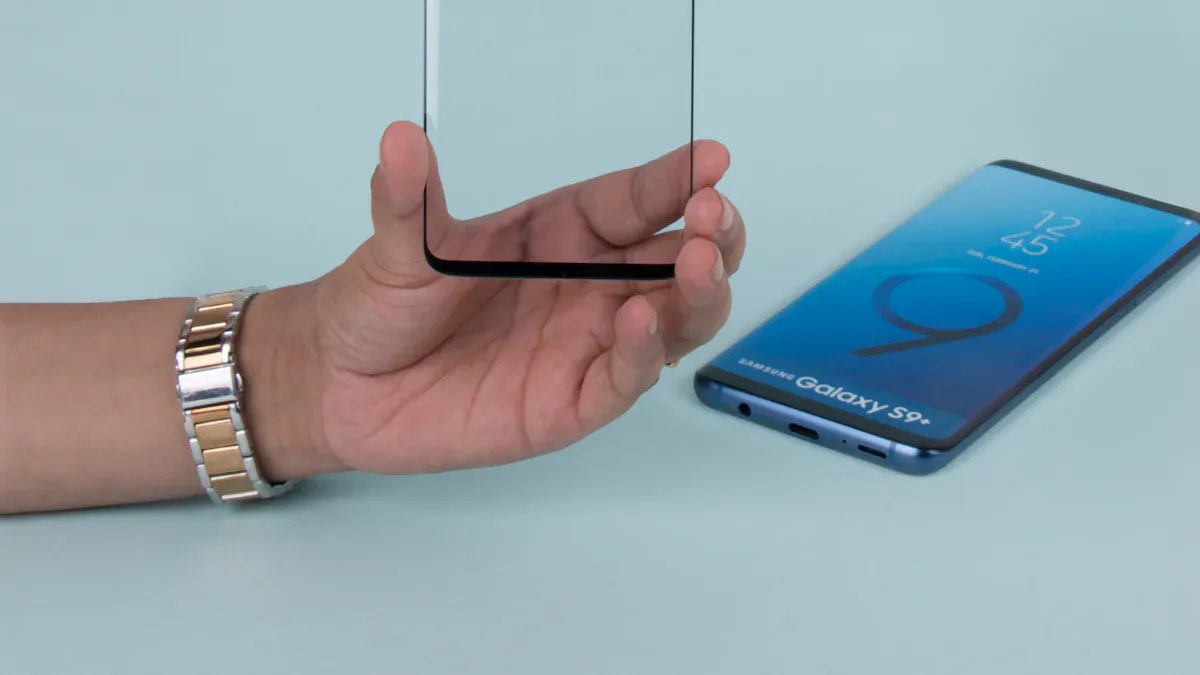
You want your LED light box to look bright. The material you pick changes how much light gets through. Acrylic lets a lot of light pass. Clear acrylic lets up to 92% of light shine through. Your pictures and graphics will look bright and colorful. If you use white acrylic sheets, they let 35% to 75% of light through. This depends on how thick the sheet is.
Tempered glass also lets lots of light pass. It allows about 90% to 92% of light through. Both materials are very clear. Acrylic often gives a softer glow. This helps stop glare and makes it easier to look at. It is good for homes and offices.
Clear acrylic: up to 92% light gets through
White acrylic: 35% to 75% light gets through
Tempered glass: 90% to 92% light gets through
If you want your light box to look bright and friendly, clear acrylic is a good choice. You get clear light and a soft, even shine. Your display will stand out and look nice.
Visual Quality
Clarity means more than just light passing through. You want your display to look sharp and not blurry. Both acrylic and glass are very clear. They look different when used. Tempered glass gives sharp, clean light. This is good for places like stores or art shows. Acrylic gives a softer look. It cuts down on strong reflections. Your light box looks smooth and even.
Here is a quick comparison:
Material | Light Transmission | Clarity Characteristics |
|---|---|---|
Tempered Glass | 90% to 92% | Gives sharp, clean light, good for exact lighting |
Acrylic | 88% to 92% | Gives softer light, less glare, good for homes |
Think about if the material might change over time. Both acrylic and glass can lose clarity if they get too much sun or are in tough places. Acrylic can turn yellow or cloudy if not made to block UV. Glass stays clear longer but can still lose some clarity.
Visual Distortion | Description |
|---|---|
Discoloration | Acrylic or glass can turn yellow or cloudy in sun. |
Reduced Transparency | Clarity drops from tough weather or use. |
Optical Degradation | Covers can wear out and make displays look worse. |
If you want soft, glare-free light and easy use, pick acrylic. If you need sharp, clear light for fancy displays, pick glass. Both look good, but acrylic is easier for custom designs and creative ideas.
Tip: For most home and store LED light boxes, acrylic gives the best mix of clarity, soft light, and style.
Weight and Installation
Handling and Transport
You want your LED light box to be easy to move and set up. Acrylic sheets help you with this task. They weigh much less than glass. You can lift and carry acrylic without much effort. This makes your project safer and faster. If you need to ship your display, you save on shipping cost because lighter materials cost less to transport. Acrylic is shatter-resistant, so you do not have to worry about breaking it during handling. You can stack acrylic sheets or pack them in boxes with simple padding.
Here is a quick table to show the difference:
Material | Average Weight (per sq ft, 1/4" thick) | Shatter-Resistant | Shipping Cost |
|---|---|---|---|
Acrylic Sheets | 1.5 lbs | Yes | Lower |
Tempered Glass | 2.9 lbs | No | Higher |
Tip: Choose acrylic sheets if you want a light box that is easy to move, store, and ship. You will save time and money.
Mounting Tips
You can install acrylic sheets with simple tools. You do not need special equipment. Use screws, clips, or adhesive strips to mount your light box. Acrylic is flexible, so you can drill holes or cut shapes without cracking. This makes your project cost-effective and safe. If you want to hang your display, use strong hooks or brackets. Make sure the weight is balanced. Acrylic is shatter-resistant, so you do not need to worry about sharp edges or dangerous breaks.
Follow these steps for easy mounting:
Measure your space and mark where you want to place the light box.
Use a drill or screwdriver to attach mounting hardware.
Place the acrylic sheets in the frame and secure them.
Check that the light shines evenly and the box feels stable.
Note: Always wear gloves when handling acrylic sheets. You protect your hands and keep the material clean.
You get a safe, light, and cost-effective installation when you use acrylic for your LED light box. You can finish your project quickly and enjoy bright light displays.
Cost and Value
Material Price
When you start your LED light box project, you want to know the price of each material. There is a big price gap between acrylic and tempered glass. Acrylic is cheaper for most displays. You can buy acrylic for a lot less money than tempered glass. This helps you save, especially if you need special shapes or bigger sizes.
Material | Price Range |
|---|---|
Acrylic | $20 - $35 / Square Meter |
Tempered Glass | $200 / Square Meter |
Acrylic costs less, so you can make light boxes without spending too much. Tempered glass costs more because it needs special work and care. If you want to keep your project cheap, acrylic is the better pick.
Tip: The money you save with acrylic can help you buy a better light or add cool features.
Long-Term Value
You want your LED light box to last a long time. The first price and how long it lasts are both important. Acrylic can last 15 to 20 years. Tempered glass can last up to 30 years. Both are strong, but you should think about more than just how long they last.
Material | Lifespan | Advantages |
|---|---|---|
Acrylic | 15–20 years | Lightweight, recyclable, lower environmental impact |
Tempered Glass | 20–30 years | Superior impact resistance and longevity |
Acrylic can be recycled when you are done using it. New acrylic types are better for the planet. You can even pick bio-based acrylic for green projects. Tempered glass is stronger and lasts longer, but it costs more at first.
Here are three things to think about for long-term value:
First price
Savings over time
How it affects the planet
If you want a light box that saves money, is easy to use, and is good for the earth, acrylic is a smart choice. You get a bright display, spend less, and have a product that works for many uses.
Maintenance and Longevity
Cleaning and Scratches
You want your LED light box to look clean and bright. Both acrylic and tempered glass need regular care. Acrylic can scratch more easily than glass. You should use gentle cleaning methods to keep the surface clear. Follow these steps to clean your light box:
Power down and unplug the light box.
Remove any items inside to avoid scratches.
Use a microfiber cloth to dust both the outside and inside.
For glass, wipe with a damp microfiber cloth and distilled water.
For tough smudges, mix vinegar and distilled water. Apply this to the cloth, not the surface.
Dry with a clean part of the cloth.
If your light box has fabric inside, use a lint roller or vacuum it lightly.
Check the lighting for any problems.
Acrylic needs extra care because it can scratch if you use rough cloths or strong cleaners. Always use a soft cloth. Tempered glass has a harder surface. It resists scratches better, but you still need to clean it gently to keep the light shining through.
Tip: Never use paper towels or harsh chemicals on acrylic. This helps prevent scratches and keeps your display looking new.
UV and Weather Resistance
If you use your LED light box outdoors, you need to think about yellowing and uv stability. Acrylic can start yellowing if it does not have uv stability. Sunlight causes yellowing over time. You can choose acrylic with uv stability to slow down yellowing. This keeps your light box clear and bright for longer.
Tempered glass has high resistance to ultraviolet energy. It does not yellow as quickly as acrylic. Glass offers natural uv stability, so you see less yellowing even after years in the sun. Both materials can last a long time, but yellowing affects acrylic more if you do not pick the right type.
Outdoor light boxes face rain, sun, and wind. UV-resistant covers help stop yellowing and protect your display. Quality LED modules can last over 50,000 hours, or more than five years of use. The lifespan depends on the quality of the light, the power supply, and how well you protect the box from weather.
Note: For outdoor projects, always ask for acrylic with uv stability. This helps prevent yellowing and keeps your light box looking its best.
Material | Yellowing Risk | UV Stability | Weather Resistance |
|---|---|---|---|
Acrylic | High (without UV stability) | Needs UV-resistant type | Good, but yellowing possible |
Tempered Glass | Low | Natural | Excellent |
You can enjoy a bright, long-lasting light box if you clean it well and choose the right material for your needs.
Application Suitability
Indoor vs Outdoor Use
You need to think about where you will use your LED light box. Indoor spaces like homes, schools, and offices have fewer risks. Outdoor areas face rain, wind, and sun. Acrylic works well outside because it can handle tough weather. You do not have to worry about it cracking or shattering. Tempered glass can break if strong winds hit it. You want your display to last, so choose a material that stays strong.
Acrylic has better weather tolerance for outdoor use.
Acrylic resists shattering and cracking.
Tempered glass may break in harsh weather.
If you want a light box for outdoor signs or displays, acrylic gives you peace of mind. Your light will shine bright even when the weather changes.
Custom Shapes and Design
You may want your LED light box to match your style or brand. Acrylic lets you create many shapes and sizes. You can pick from A1, A2, A3, or A4 sizes. You can also choose frame colors like black or silver. This helps you design a display that fits your needs. Businesses use acrylic to make signs that show their logo or message. You can cut and shape acrylic easily. Tempered glass does not offer as many choices.
Acrylic light boxes give you more design options.
You can pick different sizes and colors.
Custom shapes are easy to make with acrylic.
Your display stands out when you use acrylic. You get a light box that looks unique and matches your space.
Special Requirements
Sometimes you need your LED light box to do more. You may want extra safety for busy places. Acrylic helps you meet these needs. It does not shatter, so it is safe for schools and stores. You may need a display that is easy to move. Acrylic is light and simple to carry. If you want a sign that lasts outside, acrylic works well. You can also add special features like colored lights or unique frames.
Tip: Always check what your project needs before you choose a material. Acrylic gives you flexibility for many uses.
You can trust acrylic for most LED light box projects. It works indoors and outdoors, lets you create custom designs, and meets special needs. Your light display will look great and last longer.
You need to pick the right material for your led light box. Think about what your project needs. Acrylic is good for most indoor and outdoor uses. It is light, easy to work with, and simple to clean. This makes it great for DIY projects. Tempered glass is better for busy places or stores. It gives a sharp look and a classic style. Look at the table below to see the benefits:
Factor | Advantages of Acrylic | Advantages of Glass |
|---|---|---|
Weight | Lighter, easy to move | Classic, luxurious appearance |
Impact | Stronger, safer for busy projects | Durable, resists UV rays |
Light Quality | Softer, even light | Crisp, clear light |
Before you begin, try not to make these mistakes:
Not reading the instructions
Forgetting to check parts before building
Picking a bad spot for your light box
Not testing before your event
Not setting up the lights the right way
Always match the good points of acrylic or glass to your project. If your project is special or hard, ask a supplier or expert for help.
FAQ
What makes acrylic light covers a good choice for LED light boxes?
You get strong protection and easy handling with acrylic light covers. They weigh less than glass light covers. You can shape them for custom designs. They resist shattering, so your display stays safe in busy places.
Are glass light covers safer than acrylic for high-traffic areas?
Glass light covers resist scratches better. They can break under strong impact. You may see small pieces if they shatter. Acrylic light covers bend or crack instead, so you avoid sharp edges. You get more safety with acrylic in busy spaces.
How do I clean glass light covers without causing damage?
Use a soft microfiber cloth and distilled water. Avoid harsh chemicals. Wipe gently to keep the surface clear. You protect the clarity and shine of glass light covers by cleaning them this way.
Can I use acrylic light covers outdoors?
You can use acrylic light covers outside. Pick UV-resistant types to prevent yellowing. They handle rain and sun well. You get a bright display that lasts longer. Glass light covers also work outdoors, but they may break in strong weather.
See Also
Choosing The Ideal Acrylic Sheet For Your Light Box
Selecting The Best Acrylic Material For Light Box Signs
Cast Or Extruded Acrylic: Which Offers Better Light Box Illumination?
Evaluating Acrylic Materials For Light Boxes: Durability And Aesthetics
Assessing Acrylic Sheet Brands For Effective Light Box Projects
