LCD vs LED Digital Signage Displays Which Is Right for Your Business

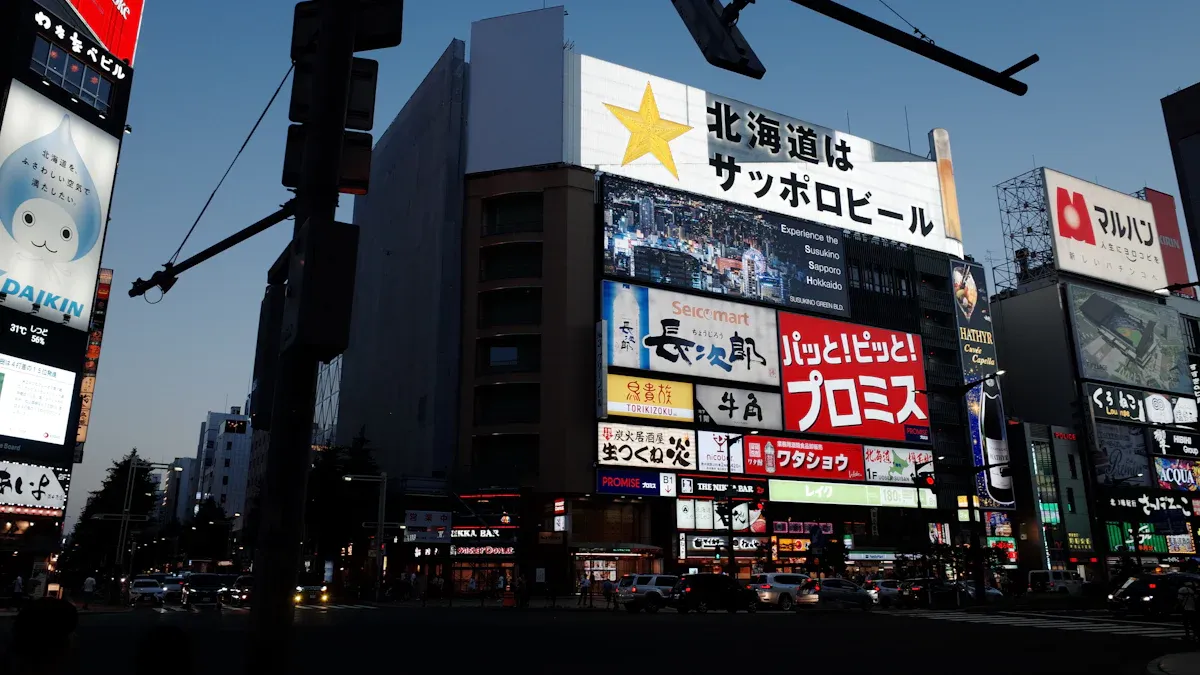
You want people to notice your business. If you need a digital signage display screen inside, pick an LCD screen. For outside areas or bright pictures, choose an LED digital signage display screen. Each digital signage display screen has special good points. The best screen can help your brand and bring in more customers. Pick your digital signage display screen by thinking about where it will go, how much money you have, and what effect you want.
Key Takeaways
Pick LCD displays if you need them inside. They show clear pictures and do not cost a lot.
Pick LED displays for outside places. They are bright in sunlight and work for many years.
Look at how much energy each display uses. LED displays use less power, so you save money later.
Think about where you will put your display. The best screen depends on the place and what your business wants.
Talk to a digital signage expert. They can help you pick the best display for your needs.
Digital Signage Display Screen Comparison
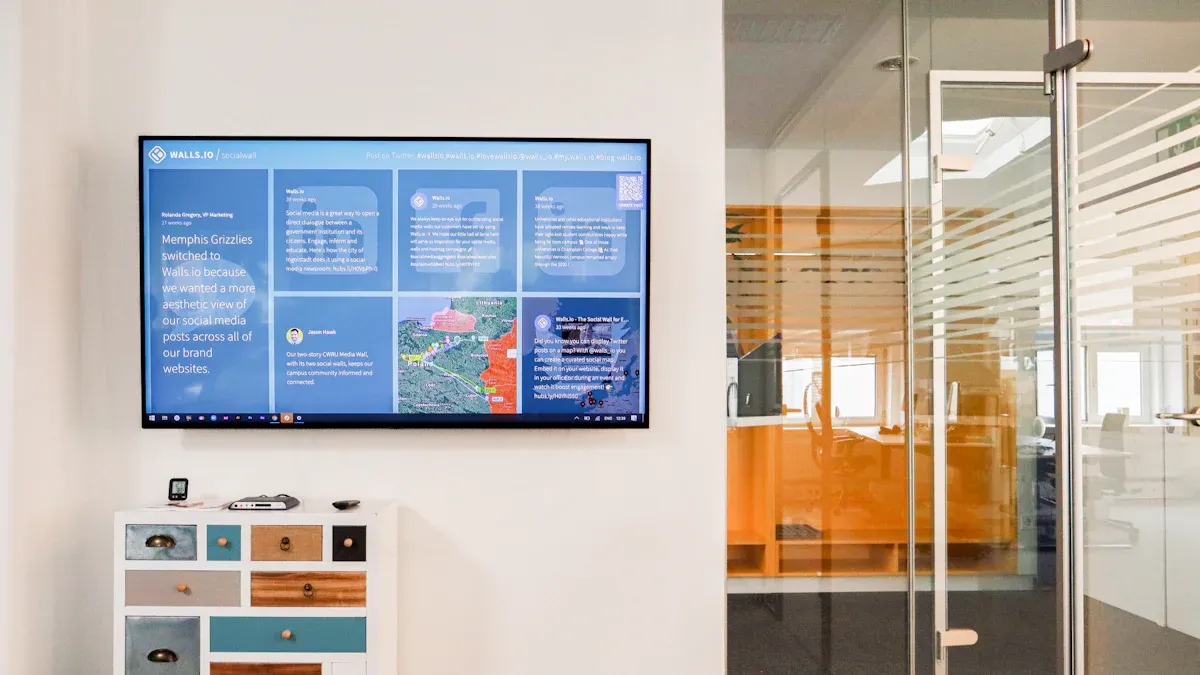
LCD vs LED Quick Table
You want to choose the right display technology for your business. The table below gives you a fast way to compare LCD and LED displays. You can see how each screen type performs in cost, brightness, lifespan, energy use, and best use cases. This helps you make a smart decision for your digital signage.
Feature | LCD Display | LED Display |
|---|---|---|
Cost | Lower upfront cost | Higher upfront cost |
Brightness | Good for indoor use | Excellent for bright and outdoor spaces |
Lifespan (Years) | 3.4–6.8 | 5.7–11.4 |
Energy Consumption (W) | 150–250 | 80–120 |
Best Use Cases | Retail, offices, menu boards, lobbies | Outdoor, sunlit areas, stadiums, video walls |
Tip: If you want a screen for a bright outdoor area, led displays work best. For indoor spaces, lcd displays give you good value and clear images.
You see that led displays use less energy and last longer than lcd displays. Led display technology shines in outdoor and high-impact spots. You get a bright, clear image even in sunlight. Led displays also work well for large video walls and stadiums. If you need a display for a menu board, service counter, or office lobby, lcd displays fit your needs and budget.
You should think about where you will put your digital signage. Led displays cost more at first, but you save money on energy and get a longer lifespan. Lcd displays cost less and work well for most indoor uses. Both display technology types help your business stand out, but the right screen depends on your goals.
LCD and LED Display Overview
LCD Display Overview
You see lcd displays in lots of stores and offices. These screens have a layer that shows pictures. The images look clear and the colors are bright indoors. Lcd displays work well for menu boards and shelves. They also fit in office lobbies. You can pick lcd displays in many sizes. Most lcd screens are made for small spaces. Lcd displays cost less than other screens. You save money if you need more than one.
Lcd displays have features that help your business. Some screens have anti-glare coatings. This makes them easy to read in bright rooms. Many lcd displays use tempered glass. This glass does not scratch or break easily. You can use lcd displays in places with heat or humidity. These screens show sharp images and text.
Tip: If you want a screen for a busy indoor spot, lcd displays give you good value and strong performance.
Description | |
|---|---|
Anti-Glare and Optical Coatings | These coatings cut down on light reflection. They help you see the screen better in bright rooms. Colors look more real. |
Impact and Vandal Resistance | Tempered glass keeps the screen safe from hits and scratches. This makes lcd displays last longer in public places. |
Heat and Humidity Management | Lcd displays have systems to stop overheating and moisture. This helps them work well in different weather. |
LED Display Overview
Led displays use tiny lights to make bright pictures. You see led displays outside and in stadiums. They also work for big video walls. These screens look good in sunlight. Led displays are bigger than lcd displays. You can use them to get noticed.
Led displays cost more at first. But they last longer and use less energy. Led displays do not need much fixing. You can change small parts instead of the whole screen. Led displays do not get screen burn. They work in rain and dust. You see bright colors and sharp images from far away.
Feature | LCD Displays | LED Displays |
|---|---|---|
Cost | Good choice for small spaces | Costs more at first |
Brightness | Works well indoors | Very bright for outdoor use |
Size Options | Best for small screens | Comes in very large sizes |
Image Quality | Good for most uses | Very clear and colorful |
Maintenance | Easy to take care of | |
Screen Burn | Can keep old images | Does not have this problem |
IP Rating | Made for indoor use | Made for outdoor weather |
Note: Led displays are best for outdoor signs, stadiums, and places where you need a big, bright screen.
LED vs LCD: Key Differences
Image Quality & Color
You want your screen to look bright and clear. LED and LCD screens show pictures in different ways. LCD screens show sharp images and steady colors. These screens work well inside for menus or dashboards. LED screens are very bright and colorful. You see strong colors and clear pictures from far away.
Feature | LCD Displays | LED Displays |
|---|---|---|
Image Quality | Steady colors, sharp images | Very bright, bold colors |
Color Accuracy | Improved by new technology | Easy to see, even outside |
Best Use Case | Indoor, detailed pictures | Big outdoor ads |
LCD screens help stores and offices show clear pictures. LED screens grab attention outside with bright colors.
Tip: Pick LCD for sharp indoor images. Pick LED for outdoor signs that need to stand out.
Brightness & Visibility
You want your screen to be easy to see. Brightness is important outside or in sunlight. LED screens can reach 5,000 nits or more. This makes them great for outdoor use. LCD screens work best inside. Most LCD screens have 200–400 nits. Some high brightness LCD screens go over 1,000 nits.
Typical Brightness (nits) | Environment | |
|---|---|---|
Normal LCD | 200 – 400 | Indoor |
High Brightness LCD | >1,000 | Outdoor |
LED | 2,000 – 5,000+ | Outdoor |
LED screens stay clear in sunlight. LCD screens work well in offices and stores.
Note: For outdoor ads or window screens, LED screens give you strong brightness.
Cost & Value
You want to save money and get good value. LCD screens cost less at first. They are good for businesses with many indoor screens. LED screens cost more at first. But they last longer and use less energy. You can save money over time with LED screens.
LCD screens: Lower cost, good for offices and stores.
LED screens: Higher cost, but save on energy and repairs.
LED screens are worth it for outdoor or busy places. LCD screens are best for indoor spaces with lots of screens.
Durability & Lifespan
You want your screen to last a long time. LED screens last about 100,000 hours, which is over 11 years. LCD screens last 30,000 to 60,000 hours, up to 6.8 years. LED screens handle weather, dust, and hits better than LCD screens.
Display Type | Lifespan (Hours) | Lifespan (Years) |
|---|---|---|
LCD | 30,000 – 60,000 | 3.4 – 6.8 |
LED | 100,000 | 11.4 |
LED screens work best outside or in busy places. LCD screens last long enough for most indoor needs.
Energy Efficiency
You want to spend less on power. LED screens use less energy than LCD screens. LCD screens use 150–250 watts. LED screens use only 80–120 watts. This means lower bills with LED screens.
Display Type | Power Consumption (W) | Monthly Energy Usage (kWh) |
|---|---|---|
LCD | 150–250 | 110–180 |
LED | 80–120 | 60–90 |
Hotels, stores, and offices save money with LED screens. LED screens also change brightness to use less power.
Flexibility & Design
You want your screen to match your space. LED screens give you more choices for design. You can make big, curved, or special screens. LCD screens work best for normal sizes and indoor places.
LED screens: Good for creative shapes and big video walls.
LCD screens: Best for meeting rooms and hallways.
LED screens make a big impact in lobbies or outside. LCD screens are good for showing details inside and saving money.
Tip: Use LED screens for outdoor or creative displays. Use LCD screens for indoor and budget-friendly setups.
Digital Signage Use Cases
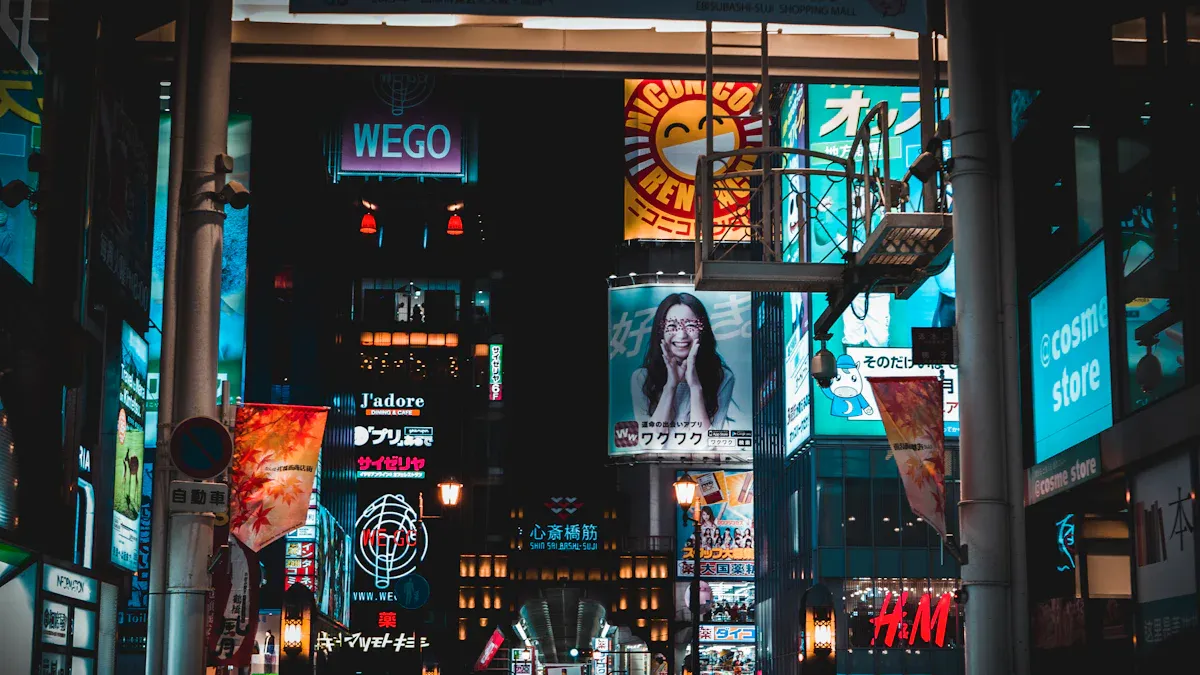
Retail Environments
You want your store to get noticed. LCD displays work well inside stores. You can use advertising monitors to show videos and product demos. These screens catch people’s eyes and help with marketing. Moving images get more attention than still signs. You can put LCD screens near shelves or at checkout to show deals. If you need a screen for a window facing the street, LED screens are brighter and easier to see.
LCD displays: Good for indoor ads, menu boards, and showing products.
LED displays: Best for window screens or big video walls in malls.
Tip: Pick LCD screens for most indoor store needs. Use LED screens for bright spots that need to stand out.
Office & Corporate
You want to share information clearly in your office. Both LCD and LED displays help with this. The table below shows how each type works for offices:
Feature | LED Displays | LCD Displays |
|---|---|---|
Brightness | Very bright, works in sunlight | Good, best in rooms with less light |
Ideal Locations | Meeting rooms, hallways, directories | |
Cost | Costs more, strong for branding | Cheaper, comes in many sizes |
Lifespan | Over 100,000 hours, works all day | 50,000–70,000 hours, lasts a long time |
Energy Efficiency | Saves energy, but can use more power | Uses less power for each screen |
LCD displays are good for meeting rooms and hallways. LED displays make a big impact in lobbies or outside.
Outdoor & High-Impact
You want your message to stand out outside. LED screens are best for outdoor use. They stay bright in sunlight and work in bad weather. Businesses use outdoor LED displays for billboards and stadiums. These screens change brightness and last a long time. You can update messages fast with cloud software. Digital signs outside can help sales go up by 30% compared to regular signs.
Feature | Description |
|---|---|
Cooling Systems | Stops screens from getting too hot |
Remote Management | Change what’s on the screen from anywhere |
Extended Lifespan | Lasts over 50,000 hours with LED lights |
High Visibility | Shows clear messages in tough weather |
Interactive Engagement | Use QR codes and data for quick feedback |
Note: Pick LED screens for outdoor and high-impact places.
Events & Venues
You want your event to look great. The right digital sign depends on your space and goals.
LED displays: Best for bright places, outdoor setups, and big video walls. They help with branding and can be seen from far away.
LCD displays: Good for meeting rooms, hallways, and directories. They work well for setups with many screens and close viewing.
Think about where you will put the screen, how far people will be, and your budget. LED screens work best outside and in big spaces. LCD screens are good indoors for showing details.
LED vs LCD Pros and Cons
LCD Pros & Cons
You might wonder if LCD displays are right for your business. These screens are great for inside spaces. LCD displays show bright pictures and clear words. You can change what is on the screen from anywhere with special software. These screens let you show videos, pictures, and menus all at once. You can make your own message look how you want. LCD displays work well in stores, offices, and for menu boards.
Advantages of LCD Displays:
Bright screens help get people’s attention from far away.
You can change what is on the screen quickly and easily.
Show many pictures or videos on one screen to save space.
Good choice if you need lots of screens for your business.
You can make different ads for different times or sales.
Disadvantages of LCD Displays:
They cost more at first than paper signs.
You need to know a little about technology to use them.
They do not last long outside or in bad weather.
Note: LCD displays are best for inside places where you want clear pictures and easy updates.
Advantages | Description |
|---|---|
Bright screens make people look and pay attention. | |
Remote Content Updates | You can change the screen from anywhere with software. |
Better Use of Space | Show many ads or messages on one screen. |
Long-Term Financial Gains | You save money over time by not printing new signs. |
Disadvantages | Description |
|---|---|
Higher Initial Costs | You pay more at first than for paper signs. |
Need for Technical Skills | You need to learn how to use and fix the screens. |
Not for Outdoor Use | LCD displays do not last long outside. |
LED Pros & Cons
LED displays are great for outside and busy places. These screens are very bright and easy to see in sunlight. LED displays last a long time and use less power than LCD screens. You can make big video walls or cool shapes for special events. LED displays are easy to fix because you can change small parts instead of the whole screen.
Advantages of LED Displays:
Very bright screens work well outside and in windows.
They last a long time and do not break often.
You can make big or special-shaped screens for your needs.
They use less power, so you save money on bills.
They work well in all kinds of weather.
Disadvantages of LED Displays:
They cost more to buy than LCD displays.
You may need to plan more when putting them up.
They are not the best for small screens or close-up viewing.
Tip: Pick LED displays for outside signs, stadiums, or places where you want to stand out.
Advantages | Description |
|---|---|
High Brightness | The screen stays clear even in bright sunlight. |
Long Lifespan | The screen works for many years with few problems. |
Flexible Design | You can build big or special-shaped screens. |
Energy Efficient | The screen uses less power and saves you money. |
Disadvantages | Description |
|---|---|
Higher Upfront Cost | You pay more at first to buy and set up the screen. |
Installation Planning | You need to plan carefully, especially for big screens. |
Not Ideal for Small Spaces | Big screens may not fit everywhere. |
You now know that LCD displays work best for indoor spaces and budget-friendly projects. LED displays shine in outdoor areas and large, eye-catching setups. Before you choose, think about your goals, where you will install the screen, and what content you want to show.
For the best results, talk with a digital signage expert. They can help you match your needs with the right technology and avoid common mistakes.
FAQ
What is the main difference between LCD and LED displays?
You see the main difference in how each screen lights up. LCD uses a backlight behind the screen. LED uses tiny lights that shine on their own. LED screens look brighter and last longer.
Can you use LCD screens outside?
You should not use regular LCD screens outside. Sunlight makes them hard to see. Rain and dust can damage them. For outdoor use, pick LED screens or special high-brightness LCD screens.
Which display saves more energy?
You save more energy with LED displays. They use less power than LCD screens. This helps lower your electric bills, especially if you run your screens all day.
How do you choose the right screen size?
You should measure your space first. Think about how far people will stand from the screen. For big rooms or outdoor areas, pick a larger screen. For small spaces, a smaller screen works best.
See Also
Selecting The Ideal LED Digital Signage For Your Business
Finding The Best LED Display Sign For Your Company
Choosing The Best Acrylic LED Display Board For Signage
