5 Key Features to Look for in an LED Light Box for Photography

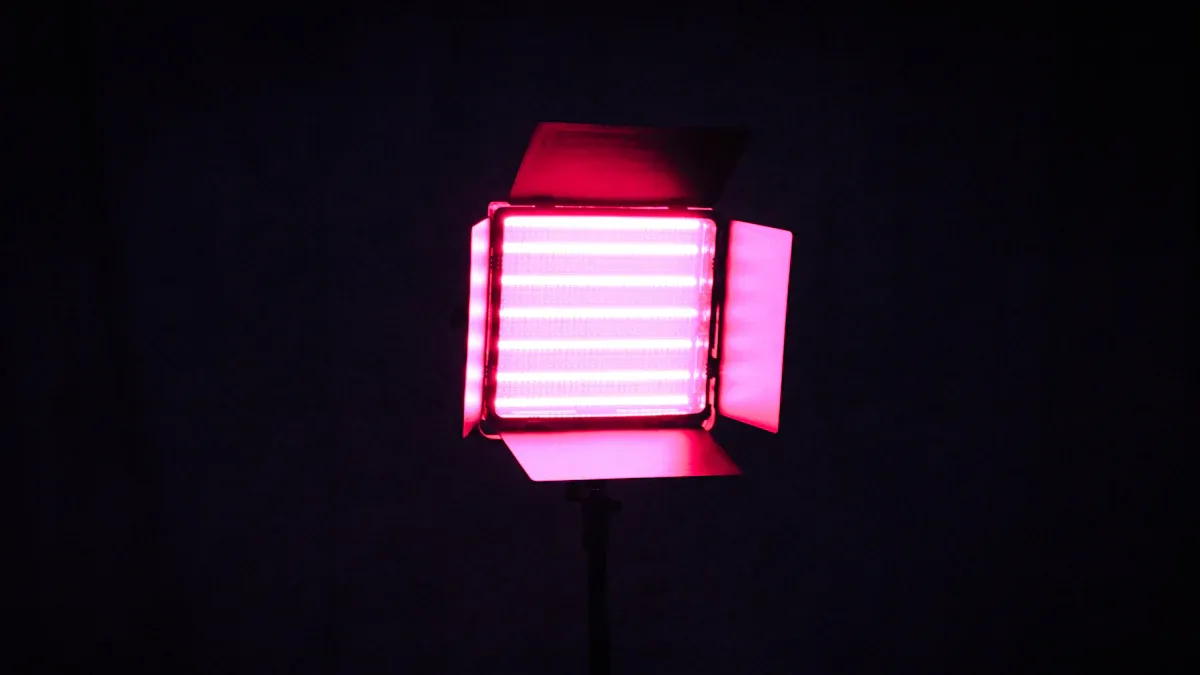
When you buy an LED light box, look for these five main Key Features: lighting quality, size, build quality, portability, and accessories. These aspects help you take clear photos and enhance your pictures. Look at this table to see how experts rate each Key Feature:
Feature | Description |
|---|---|
LED Lasts Longer | LED lights last longer and use energy well, so you can take photos for a long time. |
LED Comes in a Variety of Colors | LEDs can show many colors clearly, so you spend less time editing your photos later. |
LEDs are More Continuous & Cooler | LEDs give steady light and do not get very hot, so your pictures look better. |
You want taking photos to be simple and your setup to match your style. Pick the Key Features that fit your needs and your photos will look even better.
Key Takeaways
Pick an LED light box that gives bright, clear light. This helps your photos look sharp and colors look true. - Get a light box that is the right size for your items. This makes sure the light is even and shadows are small. Your pictures will look more professional. - Find a light box made from strong materials. It should be easy to carry and simple to set up. This helps you use it anywhere you need to take photos.
Lighting Quality and Control
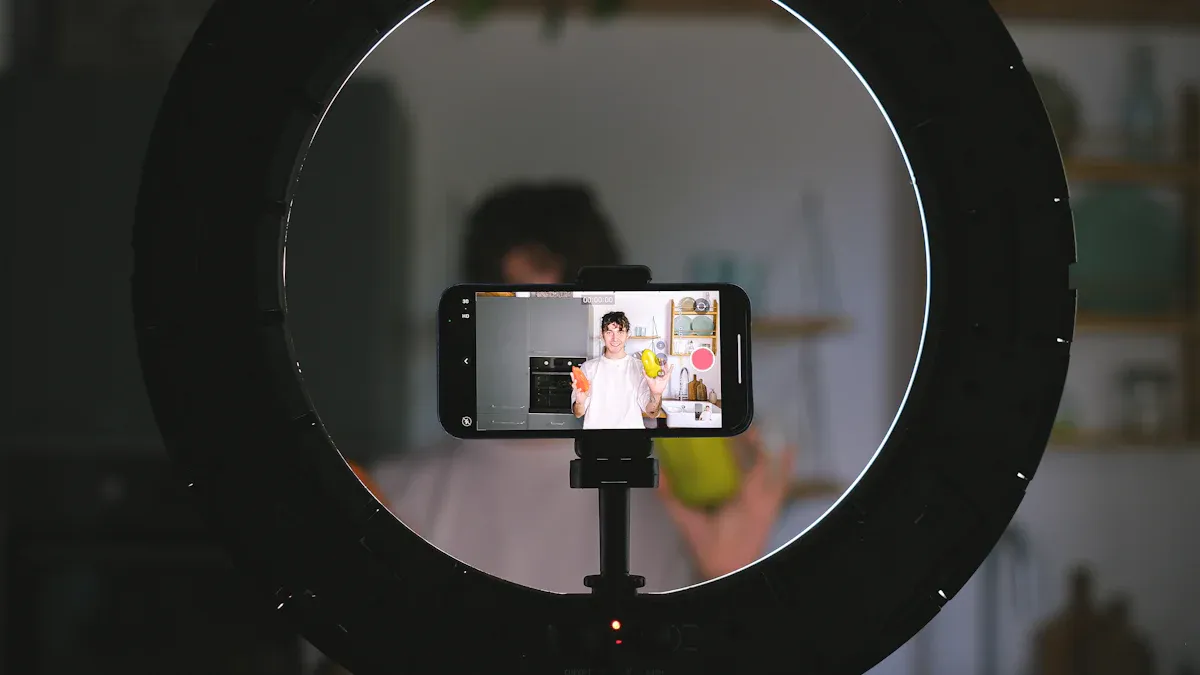
Great lighting makes a huge difference in your photography. When you use a photo light box, you want your photos to look clear, bright, and professional. The best photo boxes give you control over your lighting options, so you can get the results you want every time.
Soft, Diffused Light
You want your product photos to look smooth and free of harsh shadows. A good light box spreads the light evenly, so your background looks clean and your product stands out. Here’s why soft, diffused light matters in product photography:
A light box helps spread the light, so you don’t get strong shadows.
Indirect light, like sunlight through a window, gives a soft look.
You can use thin sheets or paper to make the light even softer.
When you use these lighting options, your photos look more natural and your products pop. You don’t have to worry about dark spots or weird reflections.
Adjustable Brightness
You need to control the brightness for different products and backgrounds. Some items look better with more light, while others need less. The best photo boxes let you change the lighting options easily. This helps you show off the true colors and details of your products.
Check out this table to see how lighting quality affects your photo results:
Aspect of Lighting Quality | Impact on Product Photography |
|---|---|
Clarity | Good lighting makes your photos sharp and clear. |
Shadow Management | You can control shadows for better visibility. |
Color Accuracy | Lighting options help show true colors. |
Even Illumination | Your whole product gets the same amount of light. |
Controlled Shadows | You can make your photos look more professional. |
Enhanced Focus | Lighting options help people see the details. |
Smooth panels bounce light around, so you don’t get dark spots. | |
Consistent Light Source | Your photos look the same every time. |
When you pick a product photography light box, look for one with adjustable lighting options and high quality. You want a CRI (Color Rendering Index) of 90 or higher for the best color results. This way, your photos will always look their best, no matter the size or background.
Size and Interior Space
Choosing the Right Size
When you pick a photo light box, you want to think about the size. The size of the photo box changes what you can photograph. If you choose a bigger light box, you can fit larger items inside. A smaller one works well for jewelry or small gadgets. The depth and shape of the light box matter, too. A deeper box spreads light better, so your photos look even and bright. You get fewer shadows and no weird bright spots. This helps you show off your products with clear, sharp photography. The right size gives you more ways to set up your shots and try new ideas. You can use the best photo boxes for many types of product photography, from shoes to watches. Always match the size of the photo box to the products you want to shoot. This way, you get the best results every time.
Monochromatic Backgrounds
A simple background can make your product stand out in every photo. Monochromatic backgrounds work great for product photography because they keep the focus on your item. You do not want anything in the background to distract from your product. Studies show that using a color-coordinated background can even help people remember your brand better. Try to keep a 20-30% difference in tone between your product and the background. This makes your product pop and look sharp in every shot.
Evidence Type | Description |
|---|---|
Depth Creation | Monochromatic backgrounds create depth without distraction, enhancing product visibility. |
Brand Recall | Studies indicate that color-coordinated imagery can increase brand recall by 80%. |
Tonal Difference | Maintaining a 20-30% tonal difference between product and background is crucial for definition. |
If you want your photography to look clean and professional, always check the background and the size of your product photography light box. These choices help you get high-quality photos and make your products shine.
Material and Build Quality
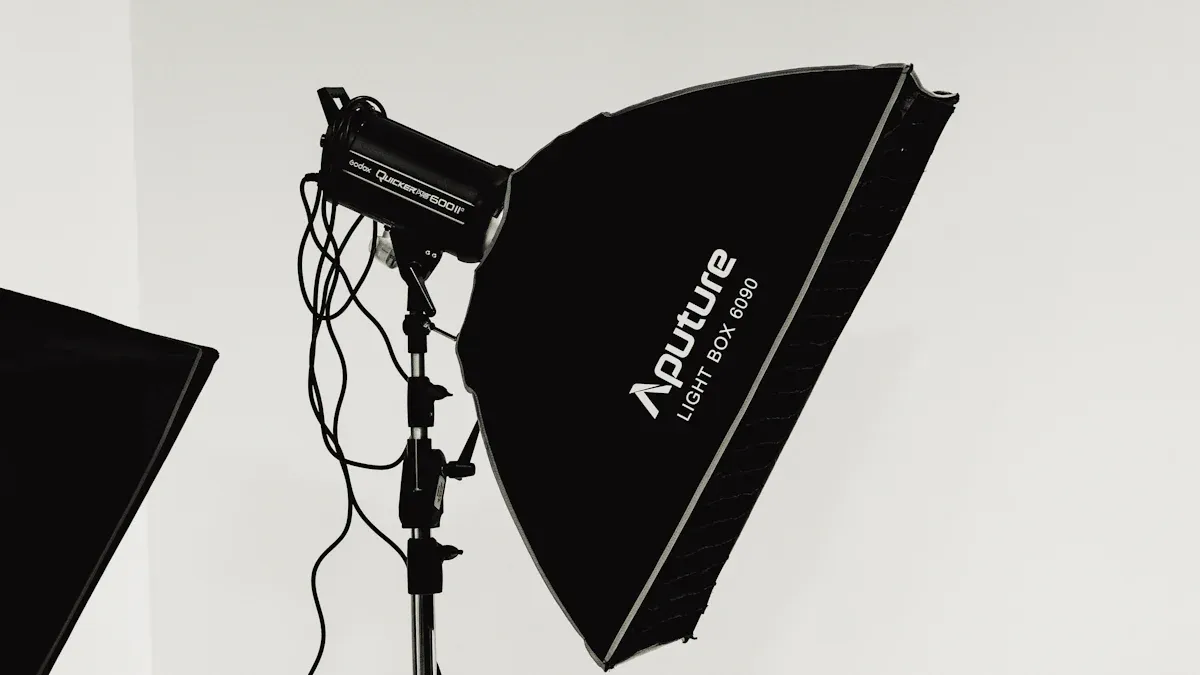
Durable Materials
You want your photo setup to last a long time. The material and build quality are very important. Strong materials help your light box work well for years. Good materials protect your gear from damage. They keep your light box working, even if you move it a lot.
Check out this table to see which materials are best for a light box:
Material | Properties |
|---|---|
Aluminum | Lightweight, rust-resistant, strong |
Acrylic Sheets | Clear, tough, helps spread light evenly |
Plywood or Metal | Adds support and keeps the box steady |
Acrylic and polycarbonate are great for the inside of your light box. They spread light so your photos look bright and even. Acrylic is much stronger than glass and lets in most of the light. Polycarbonate is even tougher and works for many kinds of photography.
Tip: If you check and clean your light box often, it can last up to 100,000 hours. That means you can use it for more than 11 years!
Aluminum Frame Benefits
Aluminum frames make your light box strong and look nice. They help your setup last longer and handle bumps. Aluminum keeps your LEDs cool, so your photos look good every time.
Here’s a quick look at why aluminum is a smart choice:
Advantage of Aluminum | Real-World Benefit |
|---|---|
High thermal conductivity | |
UV & impact resistance | Great for museums and stores |
Elegant finishes | Makes your photo setup look pro |
Sustainable & recyclable | Good for the planet |
If you pick a light box with an aluminum frame, it will last longer. You can trust it for all your product photos.
Portability and Setup
When you do photography, you want your gear to move with you. Portability and setup matter a lot, especially if you take photos in different places. A light box that is easy to carry and quick to set up saves you time and energy. You can focus more on your photo and less on building your equipment. If you work at events or need to change locations, a portable product photography light box makes your job much easier.
Collapsible and Foldable Design
A collapsible or foldable light box gives you a big advantage. You can fold it down and fit it into a small bag. This makes storage and transport simple. You do not need to worry about heavy or bulky gear. Many light boxes use a fully foldable design, so you do not need tools to put them together. You just open, set, and start your photo session. Check out this table to see how these features help:
Feature | Description |
|---|---|
Fully Foldable Design | No tools needed, so you set up and pack up fast. |
Compact Storage | Fits in a small bag, easy to carry anywhere. |
Stability | Sturdy feet keep your light box steady for every photo. |
Easy Assembly
You want to spend your time on photography, not on building your gear. Many light boxes use push-button connectors or simple frames. You can set up your light box in minutes. No loose parts, no tools, just quick assembly. Lightweight material and build quality also help you move your light box from place to place. This boosts your performance and keeps your photo sessions smooth. You get more time for product photography and less stress about setup.
Tip: Choose a light box with modular parts. You can change the size or shape for different photo needs. This gives you more options for every photo shoot.
Accessories and Versatility
Useful Add-ons
You can make your photos better with the right extras. Many light boxes come with things that help you take pictures. These extras make it easier and more fun to take photos. Here are some common add-ons you might get with a product photography light box:
Accessory | Description |
|---|---|
Adjustable Mini Tripod | Helps smartphone photographers achieve stability and precision, allowing for ideal height and angle. |
Versatile Backgrounds | Multiple background options enable photographers to change the mood and style of their photos. |
You can change backgrounds to fit your product or brand. A mini tripod keeps your camera from shaking, so your photos stay clear. Some light boxes have built-in lights, so you do not need extra lamps. These extras help you get the most out of your light box.
Adapting to Different Photography Needs
You want your light box to work for many photo types. You can swap backgrounds and diffusers to change how your photo looks. Multi-panel diffusers let you control how the light spreads. Acrylic panels spread the light, so your photos look even and bright. Polycarbonate panels are strong and last a long time, so you can use your setup for years.
A light box gives you choices for any photo session. You can use it for product photos, food pictures, or art projects. Here’s how a light box helps you adjust:
You can get rid of strong shadows and bright spots for a natural look.
Your photos show real colors and textures, which works for all styles.
You can use your light box inside or outside, no matter the light.
The setup is easy, so you can focus on taking pictures, not building gear.
You can pick the right size for big or small things.
With good extras and a flexible light box, you can handle any photo job and get better at photography.
When you choose a photo box, look at lighting, size, build, portability, and accessories. These things help you take great pictures and fit your photography style. You get better photos, easier photo sessions, and pictures that show your brand well. Pick what works best for your needs.
FAQ
How do you clean an LED light box?
You can wipe the panels with a soft, dry cloth. For tough spots, use a little water. Avoid harsh cleaners.
Can you use a phone camera with a light box?
Yes! You can use your phone. A mini tripod helps keep your shots steady. Good lighting makes your phone photos look pro.
What size light box should you pick?
Small: Jewelry, watches, or small gadgets
Medium: Shoes, mugs, or toys
Large: Bags, hats, or bigger items
See Also
Five Best LED Acrylic Light Boxes to Consider in 2025
Exploring Acrylic LED Light Boxes: Varieties and Uses
Key Features for Achieving Professional Acrylic Light Box Quality
Creating Perfect Light Boxes for Displaying Acrylic Art
Understanding Acrylic Photo Light Boxes: Varieties and Advantages
