Your Essential Guide to Selecting the Best Lightbox Advertising Display

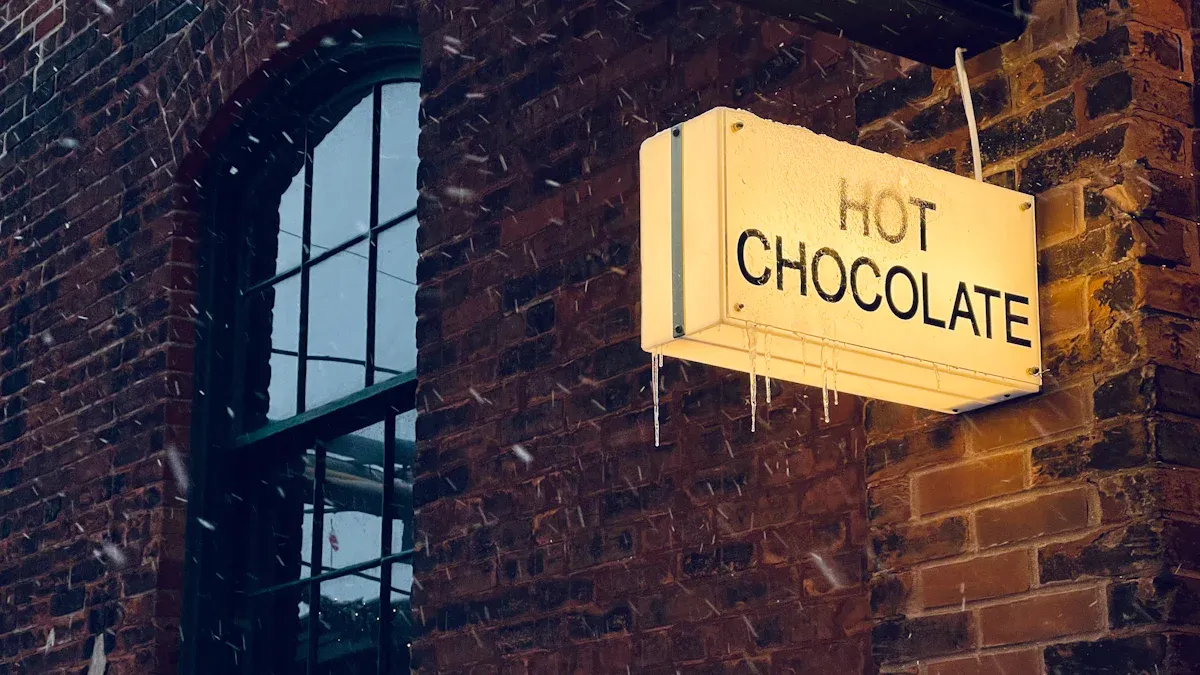
To pick the best lightbox advertising display, you should match the lightbox to your business goals and who you want to reach. Think about your space and how the display will work with your marketing. Look at the display type, lighting quality, size, and how long it will last.
The right lightbox can help your brand and bring in more customers if you focus on useful features and making it look great.
Key Takeaways
Make sure your lightbox fits your business goals and audience. This helps you get the best results. Pick backlit or edge-lit lightboxes based on how bright you want it. Think about saving energy too. Put your lightbox where people can see it easily. This helps more customers notice it. Use good graphics and strong materials to make your sign look better. This also makes it work well. Clean and check your lightbox often. This keeps it looking new and helps it last longer.
Lightbox Advertising Display Types
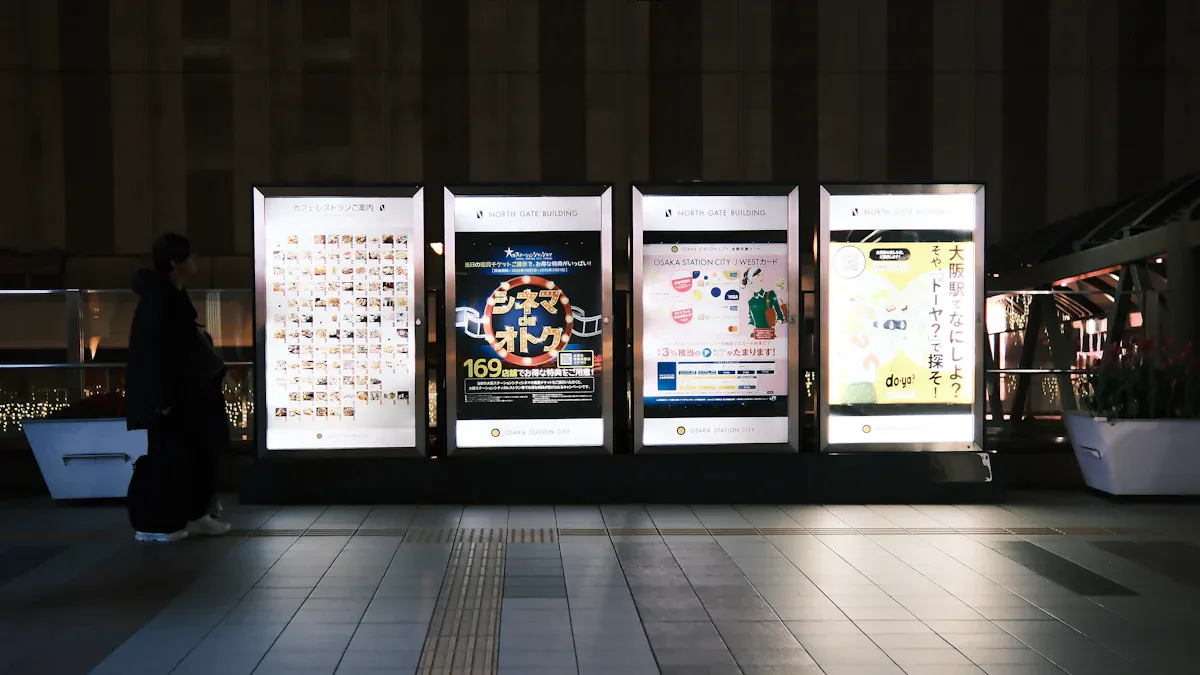
When you look at lightbox advertising, you see many types. Each one helps your business in a special way. Some lightboxes make your brand stand out more. You can pick a bright display to get people’s attention.
Backlit vs. Edge-Lit Lightboxes
There are two main styles you will notice. Backlit lightboxes use lots of LED bulbs. This makes the whole sign bright and easy to see. These displays use more power and need more care. Edge-lit lightboxes shine light from the sides. They are thinner and use less energy. They also need less fixing.
Lightbox Type | Energy Consumption | Maintenance | Design Characteristics |
|---|---|---|---|
Edge-lit | Needs little care | Very thin shape | |
Backlit | Uses more energy | Needs more care | Bright all over |
Tip: Pick edge-lit if you want to save energy and have a slim sign. Choose backlit if you want your sign to be very bright.
Wall-Mounted and Freestanding Options
You can put a lightbox on a wall or let it stand alone. Wall-mounted signs work well in stores, trade shows, and offices. Freestanding signs are good for shops and events. You can move freestanding signs to new places when you need.
Type of Display | Suitable Environments |
|---|---|
Wall-mounted Lightbox | Stores, trade shows, office lobbies |
Freestanding Lightbox | Shops, events |
Indoor and Outdoor Lightbox Sign Choices
Pick a lightbox that fits where you want to use it. Indoor signs use plastic, steel, or aluminum. Outdoor signs need strong frames and special covers. They have weather strips, drain holes, and lenses that block sun damage. Outdoor signs can also stop people from tampering and reduce glare.
Feature | Indoor Lightboxes | Outdoor Lightboxes |
|---|---|---|
Frame Material | Plastic, steel, aluminum | Aluminum |
Weather Stripping | Not included | Usually included |
UV Resistance | Not always included | Usually included |
Security Features | Regular | Tamper-resistant available |
Lens Material | Acrylic | Polycarbonate is best |
Lightbox signs work in many places. Stores use them to show products and sales. Hotels and theaters use them for signs and decoration. Train stations and airports use them for directions and schedules. Hospitals and schools use them for safety and information.
Industry/Environment | Uses |
|---|---|
Retail | Window signs, product displays |
Hospitality and Entertainment | Signs, branding, decoration |
Public and Transportation | Direction signs, schedules |
Healthcare and Education | Info signs, safety |
Think about energy, strength, and where you will put your lightbox. This helps you pick the best one for your business and get noticed.
Guide to Assessing Your Business Needs
Picking the best advertising light box starts with knowing your goals. You should also think about your business space. This guide gives you tips to help your marketing. It shows you how to get the most from your lightbox. Use these ideas to make your investment work well.
Choosing the Right Size and Placement
Think about where you want your lightbox sign. The spot you pick changes how many people see it. It also affects how well your sign works. Look at these important things:
Factor | Importance Level | Description |
|---|---|---|
Visibility and Brightness | Very Important | The sign should be bright enough to be seen clearly from a distance, both day and night. |
Size and Proportion | Important | The size should fit the location; too large or too small can affect visibility. |
Energy Efficiency | Moderately Important | Opt for energy-efficient models to save on electricity costs. |
Durability and Weather Resistance | Important | The sign must withstand local weather conditions to reduce replacement frequency. |
Customization Options | Moderately Important | Custom designs can enhance brand visibility and recognition. |
Ease of Installation and Maintenance | Important | Consider the complexity of installation and maintenance requirements. |
Cost and Budget Considerations | Very Important | Balance quality with affordability to ensure value without overspending. |
Compliance with Local Regulations | Crucial | Ensure the sign meets local zoning and signage regulations to avoid legal issues. |
Warranty and Customer Support | Important | Check for warranty and reliable support for future needs. |
Big light boxes get more attention in busy places. Backlit designs help your sign stay bright at night. Branded light boxes work best where lots of people walk by. Always match the size to your space so it looks right.
Tip: Put your lightbox where people can see it. Do not hide it behind other things.
Aligning with Branding and Design
Your light box should look like your brand. Custom signs help your business stand out. Use these design ideas to connect with your customers:
Design Element | Description |
|---|---|
Understanding Business Aesthetic | Aligns lightbox displays with brand identity, architectural design, and target audience. |
Choosing Right Frame Design | Frame materials and styles should complement the business's overall aesthetic. |
Customizing Lighting and Graphics | Adjust lighting and incorporate branded graphics to enhance brand visibility and identity. |
Seamless Integration | Ensure lightboxes coordinate with existing decor and enhance visual harmony in the space. |
Pick frame colors and materials that match your business. Add your logo and colors to the graphics. Change the lighting to make your message stand out. When your sign matches your brand, people remember it. In busy places, bright lights and clear words help your brand get noticed. Using the same style on all your signs builds trust.
Note: If your sign is too dark, people may not see it. Always check that your lightbox is easy to read.
Setting Your Budget and Objectives
Set your budget before you buy a lightbox. Know what you want your sign to do. Most light boxes cost between $1,500 and $3,000. The price depends on size, materials, and custom features. Decide if you want to show your brand, sell products, or talk to customers.
Here are steps to help you plan:
Write down your main goals for the light box.
Choose how much money you can spend.
Look at different lightbox options and features.
Check for warranties and customer support.
Make sure your sign follows local rules and fits your space.
Some people pick signs that are not bright enough. Others forget to add good marketing messages. These mistakes make your sign less helpful. Always pick a lightbox that fits your goals and budget.
Remember: The right light box helps people see your business. It makes your marketing better and gives you more value. Custom signs make your display special and easy to remember.
If you follow this guide, you can pick the best lightbox for your business. You will make a strong impression and reach more people with your new sign.
Key Features for Advertising Light Box Selection
When you pick an advertising light box, look at key features. These features help your sign stand out and last longer. You want your display to catch people’s eyes and help your marketing.
LED Lighting Quality and Brightness
LED lighting is very important for any lightbox. You need bright, even light so your graphics look good. Good LED chips make the light strong and colors clear. The right LED specs make your lightbox work better.
Specification | Details |
|---|---|
Input Voltage | DC12V/DC24V |
Length | 480mm/960mm |
LED Chips | 12/24 LEDs, 1W SMD2835 |
Power | 5W/10W |
Efficacy | 150 lm/W |
CCT | 3000K/4000K/5000K/6500K |
CRI | >80 |
Beam Angle | 170° |
Connector | 18AWG wire or 5557 connectors |
Wiring | Daisy Chain |
IP Rating | IP20/IP65 |
Cut Section | 80mm, 160mm |
Lifespan | 30,000 hours |
Warranty | 3 years |
Certifications | CE, ROHS |
Look for a lightbox sign with high CRI and adjustable brightness. These help your graphics look sharp and colorful. Backlit light boxes use more LEDs for full brightness. Edge-lit light boxes use fewer LEDs and save energy.
Tip: Pick a lightbox with a long lifespan and a good warranty. This saves you money and keeps your lightbox working well.
Frame Durability and Materials
The frame keeps your lightbox safe and looking new. You want strong materials that last a long time. Aluminum frames do not rust and protect your graphics. Steel frames are good for big displays but need a finish to stop rust. PVC and vinyl mesh are good for outdoor lightboxes because they resist water and sun.
Material | Durability Features | Visual Effectiveness & Lifespan |
|---|---|---|
PVC | UV, water resistant, durable | Keeps colors bright and images clear inside or outside |
Vinyl Mesh | Lasts a long time, easy to set up | Bold designs stay clear, saves money outdoors |
Vinyl Banners | Light, simple to clean | Bright look, clear pictures, easy to move |
Aluminum | Strong, rust-resistant | Protects graphics, lasts longer |
Steel | Very strong, heavy | Good for large displays, can rust without finish |
Wood | Eco-friendly, stylish | Adds warmth, lasts long |
Acrylic | Bright, lightweight | Protects graphics, can scratch |
Lexan | Extra tough | Good for high-impact areas, more expensive |
Pick a frame that fits your space and needs. For outdoor lightboxes, choose materials that handle weather and keep graphics safe. For indoor displays, you can use lighter materials like acrylic or wood.
Graphics Material and Print Quality
Good graphics make your lightbox sign look better. You want graphics that stay bright and clear. Backlit fabric lightboxes show products in a special way. They use light to make your message stand out more than regular posters.
Aspect | Description |
|---|---|
Visibility | Backlit media enhances visibility over non-illuminated signs. |
Color Vibrancy | Improved color vibrancy attracts more attention. |
Overall Appeal | Higher appeal can lead to increased customer engagement and sales. |
Backlit fabric lightboxes give a modern look.
They make products and messages more eye-catching.
Good print quality helps your brand look professional.
Graphic Design Excellence: Edge-to-edge printing makes your message clear. Color optimization for LED backlighting helps people see your sign. High-resolution graphics keep your sign looking sharp and professional.
Use high-quality graphics and printing for your lightbox. This helps your marketing and makes your sign more effective.
Energy Efficiency and Maintenance
Energy efficiency saves money and helps the planet. Many new lightbox models use less energy and last longer. Look for adjustable brightness and strong frames.
Model | Energy Efficiency | Durability | Visual Appeal | Adjustable Brightness |
|---|---|---|---|---|
Kaiser Slimlite Plano Lightbox | Uses less energy and lasts longer | Strong and hard to break | Even lighting and bright colors | Yes |
Huion L4S LED Lightbox | Uses less energy and lasts longer | Strong and hard to break | Even lighting and bright colors | Yes |
Artograph LightPad | Uses less energy and lasts longer | Strong and hard to break | Even lighting and bright colors | Yes |
LED lightboxes need less maintenance than old-style lightboxes. You do not need to change bulbs often. SEG LED lightboxes cost less to fix and last longer.
Aspect | LED Lightboxes (SEG) | Traditional Lightboxes |
|---|---|---|
Maintenance Costs | Lower, more durable | Higher, needs more repairs |
Bulb Replacement | Rarely needed | Often needed |
Pick a lightbox sign that is easy to clean and fix. This keeps your display looking fresh and saves you time. Energy-efficient models help you lower costs and support your marketing.
Note: A clean and well-kept lightbox keeps your message bright. Regular cleaning and quick repairs help your lightbox last longer.
If you focus on LED lighting, strong frames, good graphics, and energy efficiency, you get great results from your lightbox. These features help your sign make a big impact and support your business goals.
Installation and Care Guide

Professional vs. DIY Installation
You can pick professional or DIY installation for your lightbox sign. Professional installers know what they are doing. They keep things safe and follow rules. You get a warranty and help if something goes wrong. But it costs more and you have less control. DIY installation saves money and lets you change things how you want. You need some skills and tools to do it yourself. You take on safety risks and do not get expert help.
Installation Type | Pros | Cons |
|---|---|---|
Professional | Expert setup, Safe and follows rules, Warranty and help | Costs more, Must schedule, Less control |
DIY | Saves money, More control, Learn new skills | Need skills, Safety risks, No expert help |
Tip: Pick professional installation if you want safety and help for a long time. Choose DIY if you like doing projects and want to save money.
Routine Cleaning and Troubleshooting
Taking care of your lightbox keeps it bright and working well. Look at your lightbox every day to spot damage. Each week, check that air can move around it. Make sure wires and plugs are safe. Every month, clean inside and look at the LED panels. Every three months, test all parts and controls. Once a year, change old parts and set the lights right.
Maintenance Frequency | Cleaning Practices |
|---|---|
Daily | Look for damage or problems. |
Weekly | Check air spaces so it does not get too hot. |
Monthly | Look at LED panels and power parts for damage. |
Quarterly | Check all parts and wires. |
Annual | Change old or broken parts. |
If your lightbox has uneven light, flickers, or faded pictures, you can fix it. Move LED strips or get better diffusers. Change broken LEDs if needed. Fix the power supply and update drivers for flickering. Use UV-resistant graphics to stop fading. Always check wires and controls.
Design Tips for Effective Lightbox Sign Setup
Smart design makes your lightbox sign stand out. Use aluminum or acrylic for light and bright signs. Pick backlit or edge-lit styles for even light or a modern look. Put your lightbox where lots of people walk by.
Print to the edges for clear pictures.
Use colors that look good with LED lights.
Put your sign where people gather.
Mix warm and cool colors to make it pop.
Add moving or interactive parts to get attention.
Note: Good design and regular care help your lightbox sign work well and keep your message easy to see.
Maximizing Lightbox ROI
Strategic Placement for High Traffic
You can get more from your lightbox roi by putting your sign where lots of people walk. Place your display high up so people see it from far away. Put your advertising light box near main doors or busy aisles. This helps you catch more people and make a good first impression. Make sure your sign is easy to see from many directions. Do not hide it behind shelves or other things. Using backlit light boxes or edge-lit light boxes makes your sign stand out more in busy places. Trade show light boxes work best when you put them where crowds gather.
Placement Tips:
Put your sign at eye level or higher.
Pick spots with nothing blocking the view.
Use main paths and entryways.
Rotating Content for Engagement
Change the message on your sign often to keep people interested. Switching ads keeps your sign fresh and fun. You can use special messages for holidays or events. When you update your display, people notice something new each time. This helps your sign work better and gives you more roi. Some light box solutions let you change graphics easily.
Ways to Rotate Content:
Switch pictures every week or month.
Use holiday sales or special deals.
Show new products or services.
Measuring Lightbox Advertising Effectiveness
You need to check how well your sign works to get the most from it. Count how many people look at your sign each day. Watch if sales or visits go up after you add your sign. Ask customers if they saw your ad with a survey. Compare backlit and edge-lit displays to see which one gives you better roi. You can also see how many people use special offers from your sign.
Measurement Method | What to Track | Why It Matters |
|---|---|---|
Foot Traffic Counts | Number of viewers | Shows reach |
Sales Data | Sales before/after | Measures impact |
Customer Surveys | Awareness, recall | Tracks impression |
Offer Redemption | Promo code use | Shows engagement |
Tip: Use easy ways to track which light box solutions give you the best roi. Change your plan to make your sign work better and help your business.
You can choose the best lightbox sign for your business by following these steps:
Decide which format of lightbox sign fits your space.
Pick the right illumination for clear graphics.
Check the design and heat management.
Make sure your lightbox sign meets safety rules.
Plan installation with custom options.
Matching your advertising light box to your needs improves results. See how display type, features, and placement help in the table below:
Aspect | Explanation |
|---|---|
Visual Appeal | Lightbox sign uses bright images to attract people. |
Targeted Audience | You reach the right customers with your lightbox sign. |
Strategic Placement | Put your lightbox sign where people will see it most. |
You can find more resources about lightbox sign design and benefits online. Use this guide to make smart choices and boost your business.
FAQ
How do you choose the right size for your lightbox display?
You should measure your space first. Pick a size that fits well and stands out. Large displays work best in busy areas. Small displays suit tight spaces or focused messages.
Can you use a lightbox sign outdoors?
Yes, you can use outdoor lightbox signs. Choose models with weatherproof frames and UV protection. These features help your sign last longer and stay bright in sun and rain.
What is the difference between backlit and edge-lit lightboxes?
Backlit lightboxes use lights behind the graphic. Edge-lit lightboxes shine light from the sides. Backlit signs look brighter. Edge-lit signs save energy and have a slim design.
How often should you clean your lightbox sign?
You should clean your lightbox sign every month. Use a soft cloth and gentle cleaner. Regular cleaning keeps your sign bright and helps your graphics look clear.
See Also
Maximizing Brand Exposure With Acrylic Light Box Signage
Selecting Ideal Acrylic Panels for Your Light Box Displays
Finding the Best Wall Mount System for LED Light Boxes
