Digital Signage Display Screen vs Regular TV Key Differences Explained

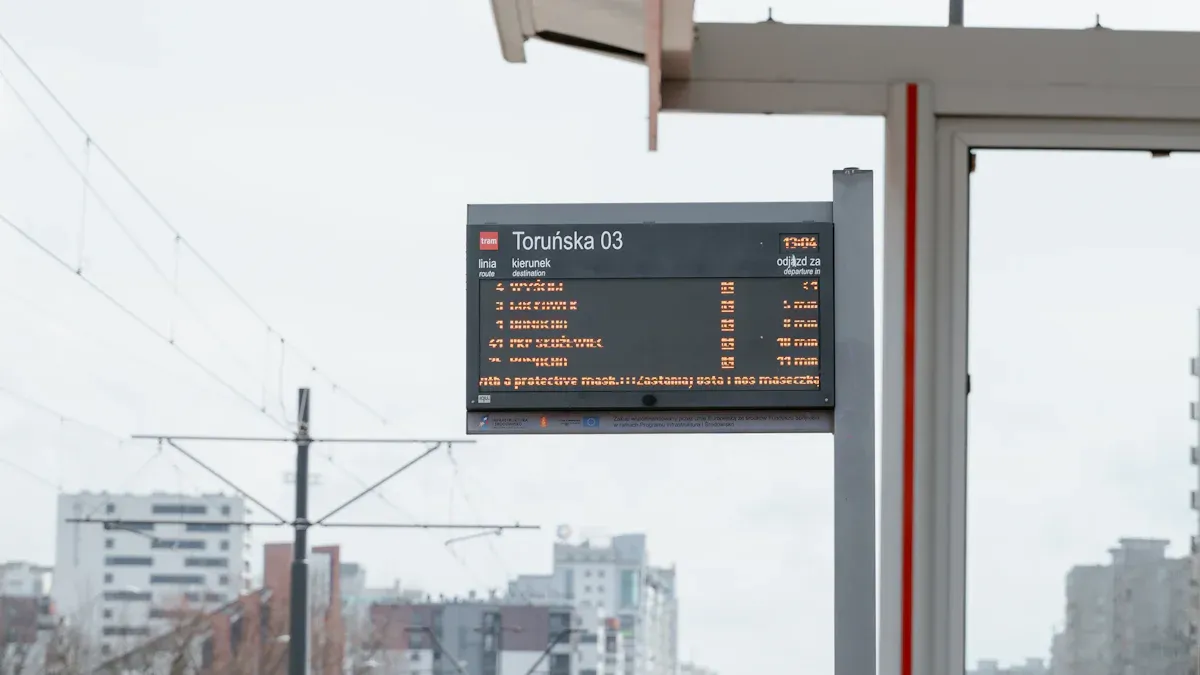
If you want people to notice something in a busy store or office, a digital signage display screen is better than a regular TV. These screens are brighter and last longer. You can also change what is on the screen right away. Regular TVs are made for watching shows at home, not for business. Check the table below to see the main differences:
Feature | Digital Signage Displays | Regular TVs |
|---|---|---|
Purpose and Intent | Made for sharing messages in stores or offices | Mostly for fun and watching at home |
Content Control and Flexibility | You can control and update content quickly | You have to change things by hand |
Hardware and Display Technology | Built to stay on for a long time and stay bright | Made for home use, not for being on all day |
Scalability and Layout Options | Can show many layouts and work with video walls | Usually just one screen, not made to connect more |
Ideal Usage | Good for stores, offices, and public places | Good for homes and private rooms |
You need a screen that is bright, works all day, and is easy to update. That is why businesses and groups pick digital signage display screens.
Key Takeaways
Digital signage displays are much brighter than regular TVs. They also last longer. This makes them great for busy places like stores and offices.
You can change what shows on digital signage screens very fast. Regular TVs need you to update them by hand. This takes a lot of time.
Digital signage screens can run all day and not get too hot. Regular TVs are made to be used for only a short time.
Digital signage costs more at first. But it saves money later because it does not break as much. It also lasts longer.
Use digital signage for your business. Use regular TVs at home. This helps you get the best results for what you need.
Purpose and Use Cases

Digital Signage Display Screen Applications
Digital signage display screens are found in lots of places. Businesses use them to share news and get people’s attention. These screens show information that changes often. You can update menus or announce events quickly. You can also welcome visitors with new messages. Digital signage stays bright and clear all day, even in busy spots.
Here is a table showing how different industries use digital signage:
Industry | Use Case Examples |
|---|---|
Retail | Show product details, deals, and offers |
Restaurants | Display menus, specials, and wait times |
Public Transportation | Give route info and schedules |
Corporate Offices | Share daily news and team wins |
Education | Post calendars, schedules, and homework |
Entertainment Venues | Make visits better with fun content |
Digital signage lets you connect with customers using live content. You make customer visits better and save money with subscription services. You can use digital signage for small or big businesses.
Regular TV Applications
Regular TVs are best for homes or private rooms. People use them to watch shows, movies, or play games. These TVs are made for a few hours of use each day. You control the room’s light, so the screen does not need to be very bright. In stores or offices, regular TVs may not last long or stay bright like digital signage.
Here are some differences between regular TVs and digital signage displays:
Consumer TVs have brightness around 250 nits, which works for homes.
Commercial displays can go up to 2,500 nits, so they fit bright places.
Regular TVs are good for places where you do not need to change what is on the screen often or keep it on all day.
Choosing the Right Display for Your Needs
Think about a few things before picking a display. Ask yourself these questions:
Do you want high display quality?
Will you change what is on the screen often?
What is your budget?
How long do you want the screen to work?
Where will you put the display, and who will see it?
If you need a screen for a business that runs all day and shows new info, digital signage is best. If you want a screen for your home or a place you use sometimes, a regular TV may be fine.
Key Technical Differences
Brightness and Visibility
You want your screen to be easy to see anywhere. Digital signage display screens are much brighter than regular TVs. This is important in places with lots of light, like store windows or outside. Digital signage displays can be as bright as 2,500 nits or even more. Regular TVs are usually only 250 to 350 nits bright. The table below shows the difference in brightness:
Type of Display | Brightness Level (nits) |
|---|---|
Digital Signage Screens | Up to 2,500+ nits |
Regular TVs | 250–350 nits |
Digital signage displays keep things clear and easy to read, even in sunlight. Regular TVs work best in dark rooms and are hard to see in bright places. If you want people to notice your message, digital signage display screens are better for busy or bright spots.
Type of Display | Brightness Levels (nits) | Visibility in High Ambient Light |
|---|---|---|
Digital Signage | 500 to over 2,500 | Excellent |
Regular TVs | 250 to 350 | Poor |
Digital signage displays are made to be bright, so you can see them in sunlight.
Regular TVs are made for darker rooms, so they are hard to see in bright places.
Digital signage display screens can be from 500 to 4,000 nits bright. This means your content stays sharp and easy to see, even when it is very bright. Regular TVs, with about 300 to 500 nits, often do not look clear in stores or offices.
Lifespan and Durability
You want your screen to last a long time. Digital signage display screens use strong LCD panels and have special fans to keep cool. These screens can run for many hours without getting too hot. Digital signage displays can work 16 to 24 hours a day and last 50,000 to 60,000 hours. Regular TVs are made for homes, so they work best for 6 to 8 hours a day. They last about half as long as digital signage displays.
Digital signage displays use tough parts and have extra cooling.
Regular TVs can get too hot and lose picture quality if used too long.
Digital signage displays can run all day and do not get screen burn easily.
Regular TVs are not made to stay on all the time, so they do not last as long.
Digital signage display screens are made for busy public places. They use strong, tamper-proof materials and have good security. These screens can handle dust, water, and even people trying to break them. Regular TVs do not have these features and may break in tough places. Advertising displays use safe materials that do not catch fire easily. They are made to bend, not burn, if there is a fire. Regular TVs do not have these safety features.
Commercial digital displays have strong power supplies and smart cooling systems. These help keep the screens cool and make them last longer. Regular TVs are made for short use and do not have these protections.
Connectivity and Control
You need different ways to connect and control your screens. Digital signage display screens have more ways to connect than regular TVs. The table below shows the difference:
Connectivity Type | Digital Signage Displays | Regular TVs |
|---|---|---|
HDMI Ports | Multiple | Limited |
USB Ports | Multiple | Limited |
VGA | Yes | No |
DVI | Yes | No |
RS-232 | Yes | No |
Digital signage displays let you connect to many devices at once. You can use HDMI, USB, VGA, DVI, and RS-232 ports. This makes it easy to show content from different sources. Regular TVs usually only have a few HDMI or USB ports. They do not support advanced control or remote management.
Digital signage display screens often have built-in control panels. These let you change settings, plan content, and check how the screen is working. You can control many digital signage monitors from one place. Regular TVs do not have these features, so you must change things by hand.
Content Management in Digital Signage
You want to change your screen content quickly and easily. Digital signage display screens use special software for easy control and fast updates. You can upload, plan, and change content on many screens at once. This makes digital signage display screens great for businesses that need to share new info often.
Digital signage systems let you control everything from one place and update right away.
Regular TVs need you to change things by hand and do not have smart content tools.
A salon with a TV can only show cable or Wi-Fi content, so they cannot control what is on the screen.
A restaurant with a TV and laptop can change content nearby but cannot fix problems or use advanced tools from far away.
Digital signage display screens let you manage content from anywhere. You can use cloud-based software to control screens in different places. This saves time and keeps your content new. Regular TVs do not let you control or plan content from far away.
Digital signage solutions have special software and platforms. You can upload, plan, and control content on many screens from one place. You cannot do this with regular TVs. Digital signage display screens help you keep your content fresh and up to date.
Cost and Value
Initial Cost Comparison
When you look at prices, digital signage costs more than regular TVs. You can get a regular TV for a few hundred dollars. Digital signage displays cost much more. Check this table:
Type of Display | Price Range |
|---|---|
Consumer TV (55-inch) | $400 - $800 |
Digital Signage Display | $1,200 - $2,500 |
You pay more at first for digital signage. But you get better brightness, longer use, and more control. A regular TV is cheaper for home use. For stores or offices, digital signage is worth the higher price.
Long-Term Value and Maintenance
Think about more than just the first price. Digital signage displays last longer and need fewer repairs. They have longer warranties and stronger parts. You spend less fixing or replacing them over time. Regular TVs are cheaper at first but not made for heavy use. If you use them all day, you might pay more for repairs.
Tip: Using a TV for business can cost more to fix. Digital signage displays are made for busy places and can run longer.
Digital signage displays work well in bright and busy places. You save money on repairs because they are built for hard work.
Return on Investment
You want your money to help your business. Digital signage displays help you talk to customers and change messages fast. You can control many screens from one spot. This saves time and makes work easier. You also save money because you do not need to print new signs. Here is a table that shows how digital signage and regular TVs compare:
Factor | Digital Signage | Regular TVs |
|---|---|---|
Engagement | High (motion, brightness) | Low (static) |
Customer Interaction | Real-time response | No interaction |
Message Adaptability | Dynamic updates | Static messages |
Workload Reduction | Central control | Manual updates |
Cost Efficiency | Cuts printing costs | Ongoing printing costs |
Digital signage gives you more for your money. You reach more people, change messages quickly, and save on printing. Regular TVs do not give these business benefits.
Benefits of Digital Signage
Enhanced Content Control
Digital signage lets you control what shows on your screens. You use built-in media players and special software to manage content. You can change messages or ads on many screens at the same time. Updates happen right away, so your info is always new. You can also set content to play at certain times or days. This helps you plan ahead and keep people interested.
Here is a quick comparison:
Feature | Digital Signage Display Screens | Regular TVs |
|---|---|---|
Content Control | Pro-grade software | Loops static media |
Remote Updates | Yes, via software | No, manual updates needed |
Scheduling | Yes | No |
Dynamic Content | Yes | No |
Central Management | Yes | No |
You can control many screens from one place. Regular TVs do not let you do this. You have to update each TV by hand, which takes longer.
Flexibility and Integration
Digital signage is more flexible than regular TVs. You can connect screens to business systems. This lets you show live data, news, or social media feeds. You can change what is on the screen right away for new sales or events. Central management systems help you control screens in many places at once.
You can update content fast in all your stores.
You can use software to link with other business tools.
You can show different things on each screen or the same thing everywhere.
Regular TVs work alone. They do not connect to business software or update by themselves.
Commercial Advantages
Digital signage displays are made for business use. They can run all day and last much longer than regular TVs. The screens are brighter, stronger, and have anti-burn features.
You can use digital signage in bright places like shop windows or outside. The screens stay clear and easy to read. You also get more ways to connect devices, like HDMI and USB.
Feature | Digital Signage Displays | Regular TVs |
|---|---|---|
Brightness | 250–350 nits | |
Lifespan | 50,000–70,000 hours | 15,000–20,000 hours |
Operation | 24/7 usage | Limited usage |
Interactivity | Yes (touch screens) | No |
Digital signage helps your business stand out. You save time, reach more people, and keep your content new with easy software.
Pros and Cons
Digital Signage Display Pros and Cons
Digital signage systems give your business many good things. You can use screens you already have, so you spend less at first. You do not need to print signs, which saves money and time. Digital displays often use less power, so your bills stay low. Staff can make new messages fast with easy templates.
The screens are very bright and easy to see, even in sunlight.
You can keep the displays on all day without them getting too hot.
You can control what shows on the screens from one place, which saves time.
You get cool features like scheduling and remote control.
You can use special screens for different places and needs.
The screens are tough and last a long time in busy places.
But digital signage systems can cost more when you buy them. You might need to learn new software or teach your team. Some screens need experts to set up. You also have to keep the software updated and fix things when needed.
Regular TV Pros and Cons
Regular TVs are easy to use for simple display jobs. They cost less at the start and are quick to set up. TVs work well at home or for short presentations. They look good in dark rooms.
You pay less for the TV.
You can use TVs for fun and simple displays.
They work fine in small rooms.
But regular TVs do not work well for business use. If you use them for a long time, the picture can get stuck or the colors can fade. TVs are not made for tough places, so things like grease or water can break them. The screens are not bright enough, so it is hard to see in bright spots. Shiny screens can cause glare, and you cannot see well from the side. You have to change the brightness by hand, which takes more time. TVs are not made to stay on all day, so they can get too hot or stop working. You cannot plan what shows on the screen or use special features. TVs do not have business tools, so updates are slow and you cannot do as much.
Tip: For business, digital signage systems are stronger and give you more control than regular TVs.
Suitability and Decision Guide
Best for Business and Commercial Use
You want your display to work hard for your business. Digital signage display screens fit commercial use because they run all day and stay bright in busy places. You can pick a screen based on where you plan to use it. The table below shows which brightness level works best for different environments:
Environment | Recommended Brightness | Example Model Type |
|---|---|---|
Indoor Lobbies | 300 – 500 nits | LG UH5N Series |
Retail or Reception | 700 – 1,000 nits | Samsung QMR Series |
Outdoor or Window-Facing | 2,500 + nits | Samsung OM Series |
Digital signage displays last longer because they use strong parts. You can run them 24/7 without worrying about overheating. You also get more control over what shows on the screen. These features help you reach more people and keep your message fresh.
You get higher brightness for sunlight or bright rooms.
You can use the screens for many hours each day.
You can show dynamic content and update it quickly.
Best for Home and Occasional Use
If you want a screen for your living room or a small office, regular TVs work well. You can watch movies, play games, or show simple slides. TVs are best for places with low light and short viewing times. You do not need high brightness or special features. You save money and get easy setup.
Tip: Use a regular TV if you only need a display for a few hours each day and do not need to change content often.
Factors to Consider
You need to think about your needs before making the right choice. Ask yourself these questions:
How many hours will you use the display each day?
Will you show static or dynamic content?
Is your space bright or dim?
Do you need remote control or scheduling?
What is your budget?
If you want a display for commercial use, pick digital signage. If you want a screen for home or simple tasks, a regular TV is enough. Making the right choice helps you save money and get the best results for your space.
Using Regular TV for Digital Signage
Limitations and Risks
You might want to use a tv for your business. This can help you save money at first. But there are some risks you should know. Regular televisions are not built for long use or bright places. If you use a tv for digital signage, it can get too hot. The picture might not look good after many hours. You may have to buy a new tv sooner than you thought. These problems can cost more money and cause stress. In busy stores or offices, a tv might not last as long as you need.
Note: Using a tv for digital signage in a business place often means it will not last as long and may need more repairs.
When It Might Work
Sometimes, a tv can work for digital signage. If you want to try digital signs in one spot, a tv is a good way to start. Small businesses like bakeries or salons can use a tv if they do not need special features. If your business only needs the screen for a few hours each day, a tv can do the job. The table below shows when a tv might be a good choice:
Circumstance | Description |
|---|---|
Trial digital signage setups | Good for testing in one place before buying special screens. |
Small business environments | Works in small shops, bakeries, or salons where you do not need advanced features. |
Limited daily usage | Fine for businesses open less than 6 hours a day, where long life is not a big concern. |
Recommended Scenarios
You can pick some tv models for simple digital signage. Some models work well in offices, clinics, or small stores with normal lighting. The table below lists some options:
TV Model | Recommended Use Case | Environment |
|---|---|---|
Hisense A6 and U6 | Informational or educational content | Offices, small clinics (controlled lighting) |
TCL S Class (4-Series) | Internal dashboards, reception area signage | Banking, small retail, corporate settings (normal lighting) |
SONY X80L series | General display in stores, hotels, office lobbies | Regular business hours, moderate viewing angles |
If you use a tv for your business, put it in places with steady light and short hours. This helps you get the most out of your tv and avoid problems.
You can spot big differences between digital signage display screens and regular TVs. Digital signage screens are brighter, last longer, and are tougher. Regular TVs are best for home or short use. If you need a screen for work, digital signage saves money in the long run. Look at the table below to help you pick:
Pick the one that matches what you need. This way, you can feel sure about your choice.
FAQ
What makes smart signage different from regular TVs?
Smart signage lets you control your screen better. You can change what shows fast. You can plan messages and manage screens from anywhere. Regular TVs do not have these options. Smart signage is best for businesses that need flexible screens.
Can I use a TV for signage in my store?
You can use a TV for signs, but it may not last long. TVs might not stay bright in busy places. Smart signage is made for stores and offices. It works well for long hours and lots of updates. TVs are better for short use or quiet spots.
How does smart signage help my business?
Smart signage helps you get customers with bright displays. You can change ads, share news, and show menus easily. Digital signage lets you control many screens at once. This saves time and keeps your info new.
Is smart signage hard to set up?
You do not need special skills to set up smart signage. Most systems have easy steps to follow. You can connect screens and upload content fast. Many smart signage platforms help you if you need it.
What are the benefits of using smart signage outdoors?
Smart signage works well outside because it stays bright in sunlight. You can share news, show ads, or help visitors find their way. Outdoor signage uses strong materials to handle weather and damage. You get good performance all year.
Tip: Smart signage helps people see your outdoor screens and gives you more control.
See Also
Understanding When to Use Digital Signage or Television Displays
Utilizing Digital Signage for Effective Information Presentation
The Role of Digital Signage Technology in Modern Communication
Exploring LED Digital Signage: Uses, Technology, and Advantages
A Comparison of Digital Signage Technologies: LCD, LED, and OLED
