How to Choose the Perfect Blue Light Box for Professional Displays and Illumination

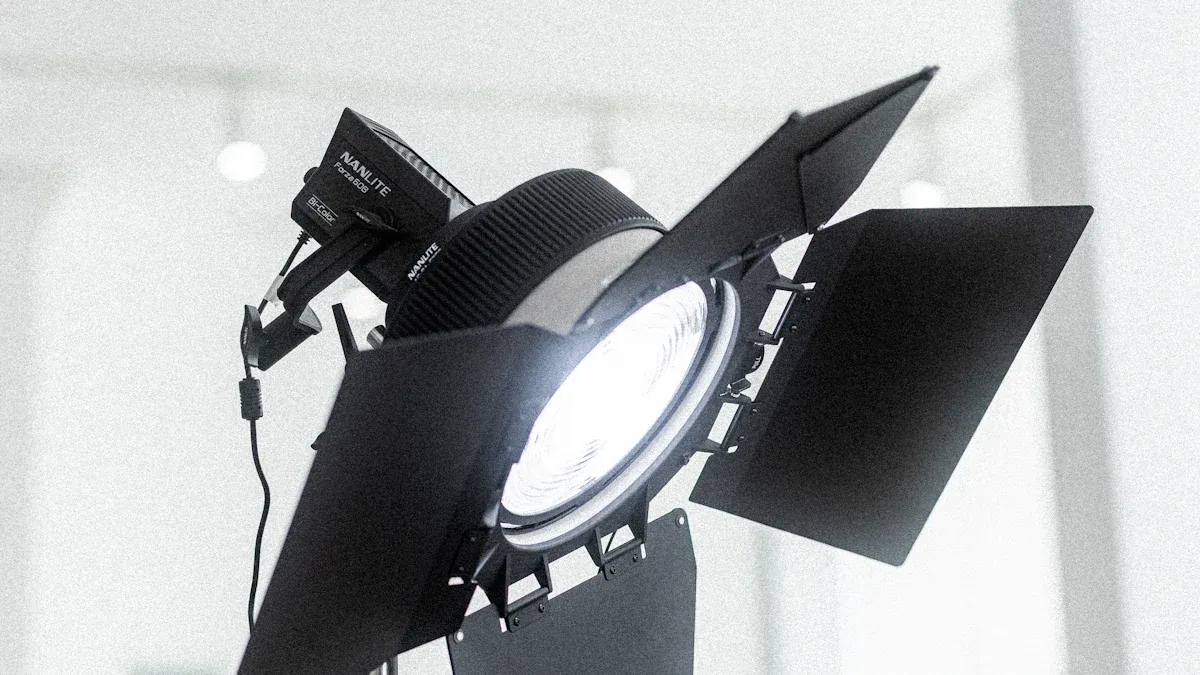
You want to pick the Perfect Blue Light Box for your display. The right lightbox helps you stand out at events. It also aids in ads or when designing rooms. Look for a lightbox with LED technology. Make sure the color temperature matches your needs. Many people use a lightbox for photos, ads, or to showcase room features. The Perfect Blue Light Box makes things safer and easier to see. Think about how to install and maintain your lightbox before you buy.
Application Area | Description |
|---|---|
Photography | Needed for good results by making light even and easy to control. |
Advertising | Shows ads with bright light that captures people’s attention. |
Interior Design | Used to enhance rooms and highlight special features. |
Key Takeaways
Pick a blue light box that uses LED technology. It gives bright and even light. Think about the color temperature. 6000K–6500K is best for ads. 3000K–4000K is good for homes. Choose a size and spot that people can see easily. Make sure viewers feel comfortable. Use graphics that match your brand. This helps people know and like your brand. Clean your light box often. Take care of it to make it last longer and work well.
What Is a Blue Light Box?
Core Functions and Uses
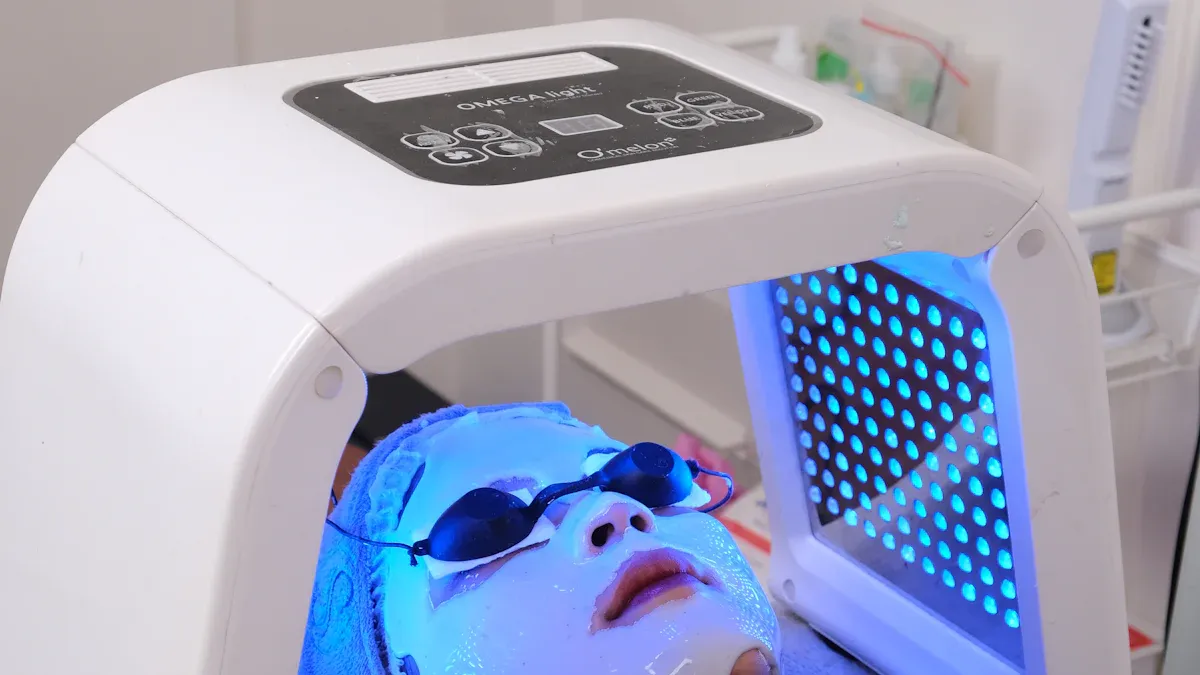
A blue light box gives off bright, even light. You can use it in many places like offices or schools. Hospitals and public spaces also use them. When you use an advertising light box, people can see messages or directions better. These boxes help people focus and feel more awake at work. Blue light can make you feel alert and ready to work. This helps you get more done during long days.
You will see blue light boxes in different places:
Colleges use towers so people can see them easily.
Hospitals put them near emergency rooms for fast help.
Parking garages use wall units to help keep people safe.
Parks and train stations use them to make places safer.
Big stores use them to talk to people in emergencies.
Remember, too much blue light can hurt your eyes or mess up your sleep. Use these boxes carefully to get the best results.
Why Light Box Displays Matter
You want your advertising light box to get noticed. Light box displays help you catch people’s eyes in busy spots. They make your message easy to see and understand. Using an advertising light box makes your message stand out. This is important at events, in stores, and at shows.
You can change light box displays to fit your needs. You can use your brand’s colors and pictures on them. This makes your store or event special and easy to remember. Light box displays use less energy than old lights, so they are better for the planet.
Here is a table that shows why advertising light box solutions are helpful:
Benefit | Description |
|---|---|
Increased Visibility | Helps people notice your brand quickly. |
Enhanced Brand Recognition | Bright pictures help people remember your brand. |
Versatility | Works well in stores, events, and more. |
Easy Setup | Simple to put up, so you save time. |
Cost-Effectiveness | Costs less than using old lighting. |
Emotional Connection | Bright images help people feel connected to your brand. |
You can see that an advertising light box does more than just light up a room. It helps you share your message, get attention, and make people remember you.
Types of Lightbox Display Solutions
Backlit vs. Edge-Lit Light Boxes
You can pick backlit or edge-lit light boxes. Backlit light boxes shine light from the back panel. This gives your display bright and even light. Edge-lit light boxes shine light from the sides. This makes them look slim and good for small displays. Backlit light boxes need more space, about two to four inches deep. Edge-lit light boxes need less space, under one inch. Backlit light boxes cost more because they use extra LED bulbs. Edge-lit light boxes are cheaper and work for smaller budgets.
Feature | Edge-Lit Light Boxes | Backlit Light Boxes |
|---|---|---|
Lighting Method | Indirect lighting from the edges | Direct lighting from the back panel |
Brightness | Standard level of brightness | Higher brightness |
Uniformity of Diffusion | Less uniform, may have dimmer centers | More uniform light distribution |
Depth Requirement | Less than 1 inch | 2-4 inches needed |
Cost | More cost-effective | More expensive |
Ideal Use Case | Smaller displays, cost-sensitive projects | Large graphics needing even illumination |
LED Light Box Features
LED light boxes have many cool features. These features help you set up fast and easy. Most frames use light aluminum, so you do not need tools. You can choose different sizes, from small to big. The fabric graphics use dye-sublimation for bright and strong colors. Many LED light boxes use recycled materials and save energy. The light is even, so your display looks bright everywhere.
Feature | Description |
|---|---|
Even illumination | Edge-lit LEDs keep graphics bright and uniform |
Tool-free assembly | Lightweight frames allow easy setup |
Modular sizes | Choices range from compact to large displays |
Premium fabric graphics | Dye-sublimation creates rich, durable prints |
Eco-conscious | Uses recyclable materials and energy-saving LEDs |
Tip: Pick a LED light box with tool-free setup and different sizes to save time and energy.
Fabric and Rigid Light Boxes
You can choose fabric or rigid light boxes for your display. Fabric light boxes use smooth graphics for a modern style. These work well with LED light box technology and give better lighting. Rigid light boxes, like Duratrans, are tougher and feel solid. They might show seams on big displays, but they also use LED light box lighting for bright results.
Feature | SEG Fabric Light Boxes | Rigid Light Boxes (Duratrans) |
|---|---|---|
Durability | Less durable | More sturdy and substantial |
Visual Quality | Sleek, seamless graphics | May have visible seams on large displays |
Lighting | Enhanced by LED lighting | Enhanced by LED lighting |
Pros and Cons Overview
LED light box signs are easy to see in any light. These displays bring in more customers than signs without lights. LED light box signs use less energy and cost less to keep working. They last a long time, up to 100,000 hours, and stay bright. You do not need to fix them as much as old signs. But LED light box displays can cost more at first. You might need help to install them, and you must take care of them so they do not break.
LED light box signs use less energy and cost less to maintain.
They last longer and stay bright.
You need less maintenance than with older signs.
Note: Think about the good things like saving energy and being easy to see, but also remember the higher starting cost and installation when picking your LED light box.
How to Choose the Right Light Box
Assessing Your Display Needs
You want your display to get noticed. Think about where you will use your lightbox. Is it for events, stores, or ads? Each place needs a different plan. If you want people to look, focus on brightness and clear graphics. Pick a lightbox with good graphics and even light. If you use it outside or in busy spots, make sure it is tough. Easy-to-use lightboxes help you change pictures fast. They also make cleaning and fixing easier.
Here is a table to help you compare what matters:
Criteria | Description |
|---|---|
Visual Impact | Makes your display stand out and share your message. |
Durability | Works well outside or in busy places. |
Ease of Use | Lets you change pictures and fix things easily. |
Energy Efficiency | Saves money and helps the planet. |
Customization Options | Lets you match your lightbox to your brand and style. |
Tip: Look for safety marks like CE, RoHS, or FCC. These show your light box is safe and good quality.
Size and Placement Considerations
Pick the LED light box size that fits your space. Big displays work best in large rooms or events. Small ones fit tight spots or counters. Put your lightbox where people can see it easily. Avoid glare by pointing the light down. The angle matters for comfort. Make sure your lightbox is bright enough. Place it so it gives at least 10,000 lux to the eyes.
Use this table to help you choose:
Guideline | Recommendation |
|---|---|
SCREEN SIZE | Use over 200 sq in.; bigger sizes give better light exposure. |
ANGLE OF GAZE | Point light down to stop glare. |
DISTANCE FOR LUX | Put lightbox close enough for 10,000 lux. |
Note: Brightness and how far you stand matter. Too much blue light can hurt your eyes or give headaches. Change your display to make it more comfortable.
Graphics and Branding Compatibility
Your graphics help people know your brand. Pick colors and styles that fit your message. Light blue feels calm and friendly. It works for hospitals and charities. Dark blue feels strong and safe. Lighter blues look clear and fresh. Banks use these colors to build trust. UNICEF uses light blue to show hope. PayPal uses navy and light blue to help people feel safe online.
Match your colors to your brand’s values.
Use good graphics for clear and bright displays.
Pick a lightbox that lets you change pictures for new ads.
Tip: Custom displays help your brand stand out anywhere.
Budget and ROI Factors
Think about your budget and what you get back. Lightbox displays help ads work better. Custom graphics can help you sell more, even when sales are slow. Balance price and quality to avoid problems. Look at all costs, not just the first price. Good support helps you fix problems and keeps your display working longer.
Here are some things to think about:
Lightbox displays make ads work better.
Custom messages can help you sell more.
Energy-saving displays cost less to run.
Good displays last longer and need less fixing.
Tip: Check if the seller is trusted before you buy. Good support and clear prices help you get the best deal.
Step-by-Step Guide to Choosing the Right LED Light Box
Decide what you want your display to do.
Pick the size and spot for the best look.
Choose graphics and colors that fit your brand.
Set your budget and check all costs.
Look for safety and quality marks.
Check if the seller has good support.
Pick energy-saving options to save money later.
Remember: The right LED light box helps you get noticed, show your brand, and gives you value for a long time.
Optimizing LED Light Box Performance
Choosing the Right Color Temperature
The color temperature you pick changes how your space feels. Lighting designers know it can affect people’s moods and actions. If you want your ad to look bright and fresh, use 6000K–6500K. This works well for commercial advertising. Restaurants should use a warm yellow between 2700K–3500K. This makes food look more delicious. Medical and technology displays need neutral colors from 4000K–5000K. These colors look serious but still comfortable. For home decor, use soft and natural light between 3000K–4000K. This helps your eyes and keeps things looking nice. Picking the right color temperature makes your display easy to see and look even.
Application scenario | Recommended color temperature | Visual effect |
|---|---|---|
Commercial advertising light box | 6000K–6500K | Bright and refreshing, highlighting image details |
Restaurant display cabinet | 2700K–3500K | Warm yellow, cozy, enhances the appeal of food |
Medical/Technology Displays | 4000K–5000K | Neutral and professional, balances seriousness and comfort |
Home Decor Light Boxes | 3000K–4000K | Soft and natural, avoids blue light stimulation |
Tip: Color temperature changes how a place feels. Some colors make people calm, alert, or comfortable.
Positioning for Maximum Impact
Where you put your led light box is important. Put it in the right spot to make it work better. You can use many small lightboxes to make your display stand out. Put the taller ones at the back so everyone can see. Mix different sizes for a cool layered look. Always think about where people will walk or look in your store or event. This helps more people see your display and makes the light even. Studies say good visual marketing can get more people interested, up to 94%. So, where you put your light box really matters.
Strategy | Description |
|---|---|
Use multiple smaller lightboxes | Create a modular, dynamic display |
Position taller displays at the back | Enhances visibility for the audience |
Combine different sizes | Creates a visually engaging, layered effect |
Pick one or two ways to set up each led light box.
Make sure your lights are bright and cover the whole area.
Ensuring Visual Comfort and Safety
You want your led light box to be safe and easy on the eyes. Look for Eyesafe or TÜV Rheinland labels. These show your light box cuts down on blue light and does not flicker. Anti-glare surfaces help protect your eyes from bright spots. High color accuracy makes your pictures look clear and sharp. Pick strong materials that do not get dirty easily, especially in busy cities. Clean and check your light box often to keep it working well. Getting a pro to install it helps control heat and makes your led light box last longer.
Criteria | Eyesafe Certification | TÜV Rheinland Certification |
|---|---|---|
Blue Light Reduction | Yes | Yes |
Flicker-Free Technology | Recommended | Recommended |
Anti-Glare Surface | Recommended | Recommended |
Color Accuracy | High | Moderate |
Certification Label | Should be present | Should be present |
Using strong materials that stay clean means you do not have to clean as much, which is good in cities where dirt builds up fast.
When you follow these steps, your led light box works better. You get even light, good brightness, and your display lasts a long time.
Installation and Maintenance Tips for Light Box Displays
Setup Best Practices
You want your light box displays to work well and last a long time. Start by unpacking your display and checking for any damage. Make sure you have all the parts. Choose a spot with a nearby power outlet and a strong wall. Mark where you will mount the display, then drill pilot holes. Secure the display to the wall. Connect it to a grounded outlet. Turn on the display and adjust the settings for the best look. Clean up the area and check that everything feels stable.
Tip: Avoid common mistakes. Do not use parts that do not match. Loose wires or wrong connections can cause flickering or buzzing. Using the wrong wire size can make your lighting weak. Too many displays on one circuit can overload it.
Maintenance Guidelines
Regular care keeps your displays bright and safe. Wipe the surface and diffuser to keep the light clear. Check that air vents stay open so the display does not overheat. Secure all electrical connections. Look inside for any worn or damaged parts. Clean the inside, especially the reflective surfaces, to keep the light even. Test all functions, like dimming and controls. Replace any broken parts right away. Adjust the lighting levels to keep your display looking its best.
Frequency | Description | |
|---|---|---|
Regular Cleaning | As needed | Clean the surface and vents to prevent dust and overheating. |
Electrical Check | Periodically | Make sure all wires and connections are safe and secure. |
Internal Inspection | Periodically | Look for wear or damage inside the display. |
Functionality Test | Regularly | Test all controls and lighting features. |
Component Replacement | As needed | Swap out any damaged or worn parts quickly. |
Enhancing Display Longevity
You can make your light box displays last longer with a few simple steps. Turn off the display when you do not need it. Use dimmer controls to reduce strain on the LEDs. Clean the display often to keep it bright. Keep the area cool and dry. Too much heat or moisture can damage the display. Schedule checks with a professional to catch problems early.
Light Box Type | Lifespan (Years) | Lifespan (Hours) |
|---|---|---|
LED Light Boxes | 5 to 10 | 50,000–100,000 |
Fluorescent Light Boxes | 2 to 3 | 10,000–15,000 |
Incandescent Light Boxes | 0.1 to 0.2 | 1,000–2,000 |
Note: LED displays use less energy and need less fixing than other types. They cost more at first but save money over time.
By following these steps, you help your displays shine bright and last for years.
Pick the perfect blue light box by looking for LED technology. Make sure the color temperature fits your needs. Think about what you want your display to do. Put your display where lots of people walk by. Use good graphics so people notice it. Change your pictures often to keep things fresh. Clean and check your display to keep it bright and safe. Use connectors that do not need tools for easy setup. SEG graphics make setup simple too. If you are not sure, ask a professional for help with your project.
FAQ
What is the best color temperature for a blue light box?
You should pick 6000K–6500K for ads and displays. This range gives a bright, clear look. It helps your graphics stand out. For home or cozy spaces, use 3000K–4000K.
How do I clean my LED light box safely?
Unplug your light box first. Use a soft, dry cloth to wipe the surface. Avoid water or harsh cleaners. Check for dust around vents. Clean gently to keep your display bright.
Can I use a blue light box outdoors?
Yes, you can use some blue light boxes outdoors. Look for weatherproof or waterproof models. These boxes resist rain and dust. Always check the product label for outdoor use.
How long does an LED light box last?
Most LED light boxes last 50,000 to 100,000 hours. You can use them for many years. Turn off your display when not needed to make it last longer.
Are blue light boxes safe for your eyes?
Blue light boxes are safe if you use them correctly. Do not stare at them for long periods. Choose models with anti-glare and blue light reduction features. Take breaks to protect your eyes.
See Also
Selecting the Ideal Wall Mount for Your LED Light Box
Finding the Best Acrylic Panels for Your Light Box Displays
Creating the Perfect Light Box for Acrylic Art Displays
Selecting the Best LED Display Sign for Your Company
Choosing the Perfect LED Digital Sign for Business Requirements
